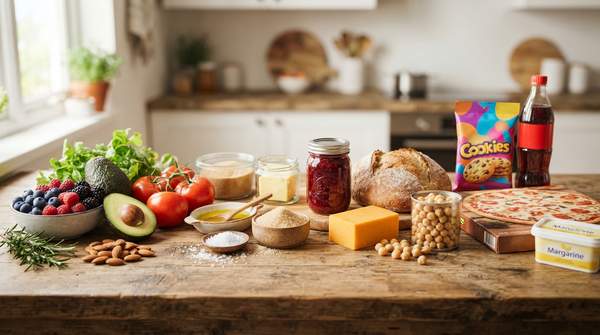
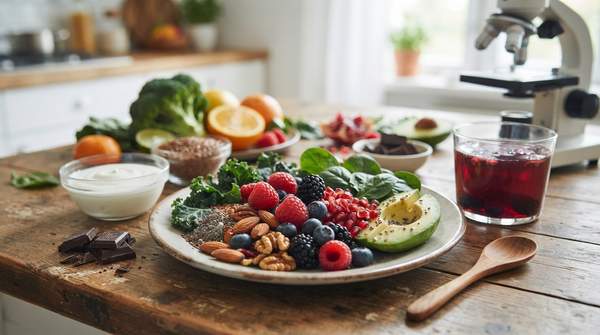
In 2026, India faces a critical challenge where the World Health Organization (WHO) recommends at least 400 grams of fruits and vegetables daily, yet consumers encounter pervasive 'healthy' labels on packaged foods that frequently obscure high sugar or fat content. This discrepancy impacts public health, particularly as the nation observes National Nutrition Week 2026, highlighting the importance of diet in healthcare. India grapples with a "double burden of malnutrition," where undernutrition coexists with rising rates of overweight, obesity, and lifestyle-related diseases, according to The Times of India.
Clear, science-backed dietary recommendations exist to combat India's dual nutrition crisis. However, pervasive misleading marketing and unsustainable diet fads actively hinder public adherence to these guidelines.
Without increased consumer literacy and stronger regulatory oversight on food labeling and diet trends, India's struggle against malnutrition and lifestyle diseases is likely to intensify, despite awareness campaigns like National Nutrition Week.
- India faces a "double burden of malnutrition," with undernutrition coexisting with increasing rates of overweight, obesity, and lifestyle-related diseases, according to The Times of India.
- Everyone older than 10 years of age should aim for at least 400 grams of fruits and vegetables per day, according to WHO.
- The consumption of free sugars should be limited to less than 10% of total daily energy intake, equivalent to 50 g for a person consuming about 2000 calories per day, according to WHO.
- For adults, a minimum of 15% of the energy consumed per day should be from fat, up to 30% of total daily calories, according to WHO.
- Marketing terms like 'healthy,' 'natural,' 'multigrain,' 'high-protein,' 'low-fat,' 'baked,' and 'sugar-free' on food labels can be misleading and require careful checking of ingredient lists and nutritional information, according to Kashmir Reader.
- Crash diets and detox trends are not sustainable and may lead to inadequate intake of essential nutrients, according to Kashmir Reader.
Navigating Nutritional Information: Misleading Labels and Fad Diets
Adults should derive a minimum of 15% of daily energy from fat, with an upper limit of 30% of total daily calories, according to WHO guidelines. However, consumers often encounter marketing terms such as 'healthy,' 'natural,' and 'sugar-free' on food labels. These terms can be misleading, necessitating a careful review of ingredient lists and nutritional information, as reported by Kashmir Reader.
Crash diets and detox trends further complicate healthy eating, often proving unsustainable and potentially leading to inadequate intake of essential nutrients, according to Kashmir Reader. The stark contrast between precise WHO dietary guidelines for fat intake and sugar limits, and the pervasive, vague marketing terms highlighted by the Kashmir Reader, reveals a significant challenge. Public health campaigns in India are fighting an uphill battle against an industry that profits from nutritional illiteracy, making individual healthy choices an uphill struggle.
Based on the Kashmir Reader's analysis of misleading 'healthy' labels, India's food industry is not just passively confusing consumers. It actively weaponizes health claims to sell products that contribute to the very diseases the WHO warns against, turning public health into a marketing battleground. This practice actively neutralizes clear WHO dietary guidelines, deepening the nation's dual malnutrition crisis.
India's 'double burden of malnutrition' is exacerbated by 'healthy' food marketing and unsustainable diet trends. These trends simultaneously promote nutrient deficiencies through crash diets and encourage excess calorie intake via hidden sugars and fats in 'healthy' packaged foods. This situation pushes consumers away from whole foods and towards less nutritious alternatives.
Misleading 'healthy' food labels in India represent a direct public health threat, extending beyond mere economic deception. These labels actively promote unhealthy diets that the WHO identifies as major risk factors for noncommunicable diseases. This undermines national health outcomes and complicates efforts to improve public nutrition.
Despite explicit WHO recommendations for daily fruit and vegetable intake and limits on free sugars, India's food industry uses deceptive marketing to steer consumers towards packaged foods. These products often contradict public health messaging, effectively nullifying efforts to promote healthier eating habits. This actively neutralizes clear WHO dietary guidelines.
Addressing the impact of misleading food marketing requires a multi-pronged approach. Consumers need improved literacy regarding nutritional labels and ingredient lists to make informed decisions. This empowerment helps individuals discern actual nutritional value from marketing claims.
Stronger regulatory oversight on food labeling is also necessary to ensure transparency and accountability from manufacturers. Without clearer standards and enforcement, the current marketing environment will continue to hinder public adherence to science-backed dietary recommendations. This oversight could mandate clearer front-of-package labeling.
By Q3 2026, regulatory bodies in India could implement stricter guidelines for health claims on packaged foods. This step would compel food manufacturers to align product labeling with actual nutritional content, thereby supporting the nation's public health goals.
How can we promote healthy eating during National Nutrition Week?
Promoting healthy eating during National Nutrition Week 2026 involves making smart nutrition choices, particularly for growing children, according to Hindustan Times. This also includes educating families about ingredient labels and the importance of balanced meals. Focus on whole foods instead of relying on packaged items with misleading health claims.