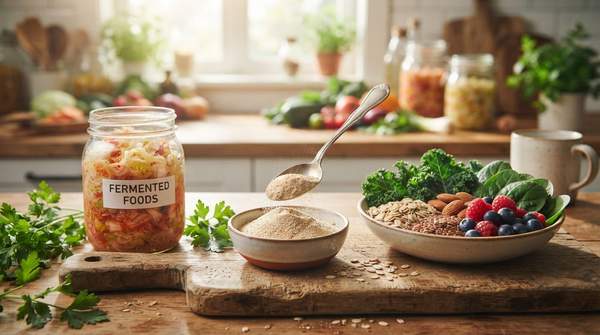
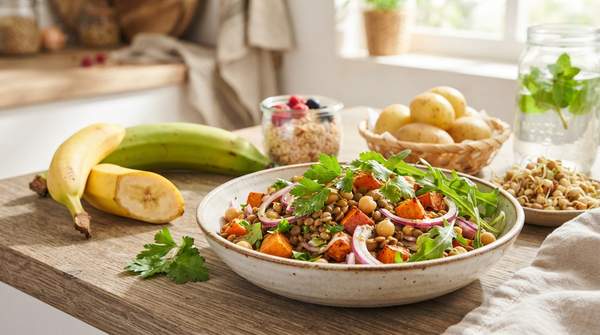
A recent survey found that half of all U.S. adults believe a plant-based diet can improve their health, yet many feel unsure where to begin. The 'plant plunge' offers a gentle, compassionate shift toward incorporating more nourishing plant-derived foods, moving away from rigid rules or extreme overhauls, and serving as a first step toward overall health and a more vibrant you.
With just over 42% of Americans living with obesity, according to data reviewed by the National Institutes of Health, many seek sustainable ways to manage weight and improve well-being. The 'plant plunge' offers a gentle shift to support the body, starting with foundational weight management and branching into achievable, empowering whole-body wellness.
What Is the 'Plant Plunge' and Its Impact on Health?
The 'plant plunge' describes a gradual shift to incorporate more plant-based foods, unlike a sudden dive into strict veganism. This approach, like slowly entering a cool lake, emphasizes wading into new habits—dipping toes before swimming—and centers on progress, not perfection. It removes the pressure of an all-or-nothing mindset, allowing a rhythm that suits unique life and preferences.
A plant-based diet emphasizes foods derived from plants, including fruits, vegetables, whole grains, nuts, seeds, and legumes. The 'plant plunge' encompasses a spectrum of eating patterns, allowing you to choose your own depth:
- Flexitarian: You primarily eat a vegetarian diet but occasionally include meat or fish. This is often the first step for many taking the plunge.
- Pescatarian: You avoid meat but still eat fish and other seafood, alongside a wide variety of plant foods.
- Vegetarian (Lacto-Ovo): You avoid all meat, poultry, and fish, but still include dairy products and eggs in your diet.
- Vegan: You abstain from all animal products, including meat, poultry, fish, dairy, eggs, and often honey.
The goal is not to force the strictest category overnight, but to mindfully increase whole, plant-derived foods. For example, starting with "Meatless Mondays" instead of giving up a favorite chicken dish felt manageable. This simple change led to craving vibrant vegetable curries and lentil soups, making the shift natural, not forced—the essence of a successful, sustainable plant plunge.

The Science Behind Plant-Based Diets and Weight Management
Multiple studies have linked plant-based eating patterns to a lower Body Mass Index (BMI) and healthier body weight. Research clearly shows this dietary switch is an effective, evidence-based tool for weight loss and managing many lifestyle diseases.
The benefits stem from the fundamental nutritional profile of plants. Plant-based diets are typically:
- Rich in Fiber: Fiber is a type of carbohydrate the body can't digest. It adds bulk to your meals, which helps you feel fuller for longer on fewer calories. This increased satiety can naturally lead to a lower overall calorie intake without feeling deprived. Think of the difference between eating a chicken breast versus a hearty bowl of lentil stew; the stew's fiber content often keeps you satisfied for hours.
- Lower in Calorie Density: For the same volume of food, whole plant foods like vegetables and fruits generally have fewer calories than animal products and highly processed foods. This means you can fill your plate, feel physically full, and still consume fewer calories.
- High in Water Content: Many fruits and vegetables have a high water content, which also contributes to a feeling of fullness and helps with hydration.
A 16-week randomized control clinical analysis, cited in a review from the National Institutes of Health (NIH), found an association between eating plant-based protein and a decreased BMI. The same analysis also noted a reduction in visceral fat—the dangerous type of fat that surrounds your internal organs—and improved insulin resistance. Insulin resistance is a condition where your body's cells don't respond well to insulin, a hormone that regulates blood sugar. Improving this sensitivity is a crucial step in managing blood sugar and reducing the risk of type 2 diabetes.
Beyond scale weight loss, a plant-centric diet recalibrates metabolic processes, leading to healthier fat distribution and better blood sugar control. This suggests focusing on adding colorful vegetables to your plate, shifting perspective to make the journey abundant and joyful, rather than restrictive.
Key Health Benefits of Adopting a Plant-Based Diet
Beyond a lower BMI, the plant-plunge significantly lowers risks for common chronic diseases. This isn't speculation; extensive research involving millions of people backs the benefits of a plant-centric eating style.
A major 2023 meta-analysis that looked at over 2 million individuals found that higher adherence to plant-based diets is associated with significantly lower risks of type 2 diabetes, heart disease, cancer, and early death. For instance, the NIH review points out that vegetarians were found to have 24% lower rates of death from ischemic heart disease than those who ate meat. These are not small numbers; they represent a powerful testament to the protective qualities of a diet rich in fruits, vegetables, and whole grains.
- Heart Health: Plant-based diets are naturally low in saturated fat and cholesterol, which are primarily found in animal products. At the same time, they are rich in heart-protective nutrients like fiber, potassium, and antioxidants. This combination can help lower blood pressure, reduce LDL ("bad") cholesterol, and improve overall cardiovascular function.
- Type 2 Diabetes: As mentioned, plant-based diets can improve insulin sensitivity. Evidence suggests that for patients already living with type II diabetes, a plant-based diet can be a powerful tool for achieving weight loss and improving glycemic control. The high fiber content also helps slow the absorption of sugar into the bloodstream, preventing sharp spikes and crashes.
- Reduced Cancer Risk: The same 2023 meta-analysis highlighted a link between plant-based diets and a lower risk of cancer. This may be due to the high concentration of phytochemicals—powerful compounds found in plants that have antioxidant and anti-inflammatory properties—which can help protect cells from damage that can lead to cancer.
- Longevity: It stands to reason that if you reduce your risk of major chronic diseases, you improve your chances of living a longer, healthier life. A large U.S. study of over 70,000 adults, the Adventist Health Study 2, found that vegans and vegetarians have a lower risk of early death compared to meat-eaters. According to the Physicians Committee for Responsible Medicine (PCRM), which reported on the study, vegans saw up to a 15% lower risk of overall mortality.
The growing awareness of these benefits is clear, yet there's a gap. The PCRM survey also revealed that while half of adults see the benefits, only 1 in 5 primary care practitioners discuss plant-based diets with their patients. This highlights a "huge missed opportunity," as one expert noted, to help people turn interest into action. This is where self-education and personal empowerment become so important.
Why This Shift Matters for Your Everyday Life
Translating the science of plant-based eating into your daily reality cultivates a life with more energy, clarity, and vitality. This isn't about chasing statistics, but about feeling good in your body for the long haul. When you nourish your body with whole plant foods, you provide it with essential micronutrients, antioxidants, and anti-inflammatory compounds needed to thrive. These benefits manifest as better sleep, clearer skin, improved digestion, and even a more stable mood, as emerging research on plant-based diets and depression suggests.
However, it’s crucial to approach this with wisdom. The term "plant-based" has become a marketing buzzword, and not all plant-based foods are created equal. A recent study reported by Medical Xpress emphasized that the level of food processing often outweighs the 'plant-based' label when it comes to heart health. A diet of vegan donuts, potato chips, and sugary sodas is technically plant-based, but it won't deliver the health benefits we've discussed. The focus should always be on whole or minimally processed foods—the vibrant produce, hearty grains, and satisfying legumes that are as close to their natural state as possible. If you need inspiration, exploring some kitchen gadgets for healthy meal prep can make working with whole foods easier and more exciting.
Self-compassion is your greatest tool on this journey. Recognize there will be days for convenience over home-cooked meals, and times for social gatherings or holidays. The goal is not rigid perfection, but the overall pattern of your choices. Every time you choose an apple over a cookie, a bean burrito over a beef one, or add a handful of spinach to your smoothie, you make a deposit in your health bank. Celebrate these small victories, honor your body’s needs, and remember this journey unfolds at your own pace.
Frequently Asked Questions
Do I have to become a strict vegan to see health benefits?
No, a fully vegan diet is not required. Research supports a spectrum of plant-centric eating, including a flexitarian approach. Simply reducing your meat intake and increasing plant food intake is associated with significant health benefits. The key involves making whole plant foods the star of your plate, rather than a small side dish. Every step in this direction genuinely counts.
Where will I get enough protein on a plant-based diet?
The concern about protein is common, but easily addressed. Protein is abundant throughout the plant kingdom. Excellent sources include lentils, chickpeas, beans, tofu, tempeh, edamame, quinoa, nuts, and seeds. A varied plant-based diet can readily provide all the protein your body needs to build muscle and maintain strength.
What is the difference between "plant-based" and "whole-food, plant-based"?
This is an important distinction. "Plant-based" is a broad term for any diet that excludes some or all animal products. This could include highly processed foods like vegan junk food. A "whole-food, plant-based" (WFPB) diet, however, specifically emphasizes eating whole or minimally processed plant foods and avoids refined products like white flour, sugar, and oil. For maximum health benefits, aiming for a WFPB approach is ideal.
The Bottom Line
Taking the 'plant plunge' is a compassionate and evidence-based journey toward better health. Shifting your diet to be more centered around plants is strongly linked to a lower BMI, can aid in sustainable weight loss, and is associated with a significantly reduced risk of major chronic diseases like heart disease and type 2 diabetes. Remember, this is about progress, not perfection.
Consider this gentle shift as your first step: choose one day this week to eat entirely plant-based meals, or simply add one more serving of vegetables to your lunch and dinner. Listen to your body, celebrate your choices, and enjoy the vibrant energy that comes from nourishing yourself from the ground up.