It’s a familiar scenario: you’ve just finished a satisfying, savory dinner, and despite feeling full, a powerful urge for something sweet arises. This experience, far from being a simple matter of willpower, is a complex interplay of brain chemistry, learned behaviors, and physiological signals. Understanding why we crave sugar after meals is the first step toward managing these desires for better long-term health. Research shows that food cravings are nearly universal, experienced by the vast majority of adults, underscoring that this is a shared human experience rooted in science.
What Are Post-Meal Sweet Cravings?
Post-meal sweet cravings are strong, specific desires for sweet-tasting foods that occur shortly after consuming a main meal, even in the absence of physical hunger. This phenomenon is not just a passing thought; it is a powerful drive that can significantly influence eating behavior. A study in Regulating Food Craving defines craving as a "strong desire to eat," a common experience that can be understood through learning-based models of behavior. These cravings are distinct from general hunger, which is the body's physiological need for energy. Instead, they are often tied to psychological and habitual triggers that have been reinforced over time.
The desire is typically for foods rich in sugar or a combination of sugar and fat. In fact, an analysis from the Food-Craving Inventory, detailed on ScienceDirect, found that many craved "sweet" foods are combinations of fat and sugar, such as cookies and chocolate, rather than sugar alone. This highlights the complex nature of these urges, which target the highly palatable and rewarding properties of certain foods, making them particularly difficult to ignore.
How Post-Meal Sugar Cravings Work: A Step-by-Step Breakdown
The persistent desire for a sweet treat after dinner is not a random occurrence. It is the result of a well-established process involving learned associations and the brain’s powerful reward system. Understanding this sequence can demystify the experience and provide a framework for intervention.
- Step 1: A Habit is Formed Through Conditioning
The foundation of many post-meal cravings is classical conditioning, a concept first described by Ivan Pavlov. Over time, we learn to associate the end of a savory meal (the cue) with the pleasant experience of eating dessert (the reward). According to research published by the National Center for Biotechnology Information, both external food-related cues (like the sight of a cookie jar) and internal factors (like feelings of stress or even just the thought of food) can become conditioned stimuli. These cues trigger a cascade of physiological responses, including increased salivation and neural activity in the brain's reward regions, creating a conscious experience of craving. This association is learned quickly and can become a deeply ingrained habit, making the desire for dessert feel automatic after dinner.
- Step 2: The Brain's Reward System Is Activated
When you consume sugar, it triggers the release of dopamine, a powerful neurotransmitter in the brain’s reward center. According to UCLA Health, this is the same neurotransmitter associated with the pleasure derived from addictive substances and behaviors. The dopamine surge makes you feel good, reinforcing the behavior that led to it—in this case, eating sugar. Imaging studies have shown that food cravings are associated with activation in the hippocampus, insula, and caudate, brain areas also reported to be involved in drug cravings. This neurochemical reward solidifies the habit loop, making your brain actively seek out the same stimulus (sugar) the next time the cue (finishing a meal) is presented.
- Step 3: Blood Sugar Fluctuations Create a Vicious Cycle
The composition of your meal plays a significant role in post-meal cravings. Meals high in refined carbohydrates and sugars can cause a rapid spike in blood glucose levels. In response, the pancreas releases insulin to help shuttle this glucose into your cells for energy. However, this can sometimes lead to an overcorrection, causing a subsequent "crash" in blood sugar. As UCLA Health reports, this insulin-induced crash can leave you feeling tired and sluggish. Your brain, which relies on glucose as its primary fuel source, interprets this dip as an energy crisis and sends out strong signals for a quick energy source—and it knows that sugar is the fastest way to get it. This creates a cycle where the consumption of sugar ultimately leads to a craving for more sugar.
- Step 4: The Habit Loop Becomes Automatic
With repetition, these individual steps merge into a seamless, automatic habit loop. The end of dinner becomes the trigger that initiates the craving. The routine is to seek out and consume a sweet food. The reward is the pleasant dopamine release and the temporary boost in blood sugar. Each time this loop is completed, the neural pathway associated with it becomes stronger and more efficient. Eventually, the craving becomes so automatic that it feels like a natural and necessary conclusion to every meal, even when you are not physically hungry.
Common Pitfalls in Managing Post-Meal Sugar Cravings
Navigating the powerful urge for sugar after a meal can be challenging, and many common approaches can inadvertently make the problem worse. Understanding these pitfalls is crucial for developing effective, sustainable strategies. A primary issue is underestimating the complexity of why we crave sugar after meals and relying on ineffective methods.
- Relying on Willpower Alone: Many people treat sugar cravings as a personal failing that can be overcome with sheer willpower. However, this approach ignores the powerful neurochemical and physiological forces at play. Cravings activate the brain's reward centers in a way that can override rational decision-making. Trying to simply "resist" without addressing the underlying triggers—like blood sugar imbalance or conditioned habits—is often a losing battle that leads to frustration and eventual overindulgence.
- Ignoring the Composition of Your Meals: A common mistake is focusing only on the dessert itself, rather than the meal that precedes it. A meal lacking sufficient protein, fiber, and healthy fats will not promote lasting satiety. This can lead to unstable blood sugar levels, which, as discussed, is a primary driver of cravings for quick energy. A balanced meal helps stabilize blood sugar and hormones, naturally reducing the intensity of post-meal cravings.
- Confusing "Sweet" Cravings with a Need for Pure Sugar: As noted by research in the Food-Craving Inventory, the foods people desire are often a combination of sugar and fat. For example, the energy from chocolate is often nearly equal parts fat and sugar. Misidentifying the craving as a need for pure sugar might lead you to reach for fat-free candies, which can cause a more dramatic blood sugar spike and crash, intensifying the cycle. Understanding that the craving is often for a rich, palatable combination of nutrients can help in choosing more satisfying and balanced alternatives.
- Engaging in All-or-Nothing Thinking: Strict deprivation is another common but flawed strategy. Telling yourself you can "never" have sugar again often increases the food's allure and can lead to intense cravings and eventual bingeing. This black-and-white approach creates a cycle of restriction and overconsumption. A more sustainable approach involves mindful indulgence, allowing for planned, small portions of high-quality treats, which can satisfy a craving without derailing overall health goals.
Advanced Strategies and Key Considerations
Once you understand the mechanisms behind your cravings and the common mistakes to avoid, you can implement more nuanced and effective strategies. These considerations go beyond simple food swaps and address the deeper behavioral and biological drivers of your habits.
First, focus on proactively balancing your main meals. Ensure each meal contains a solid source of protein (like chicken, fish, beans, or tofu), high-fiber carbohydrates (like vegetables, whole grains, and legumes), and healthy fats (from sources like avocado, nuts, and olive oil). This combination slows digestion, promotes the release of satiety hormones, and helps maintain stable blood sugar levels, thereby reducing the physiological "need" for a quick energy hit after the meal.
Second, strategically disrupt the habit loop. Identify the precise cue that triggers your craving—is it the moment you clear your plate, sitting on the couch to watch TV, or feeling a certain emotion? Once the cue is identified, experiment with a new routine. Instead of reaching for a cookie, try brewing a cup of herbal tea, going for a short walk, or listening to a piece of music. The goal is to replace the food-based reward with a new, non-food-based one, which will weaken the old neural pathway over time.
Genetics may predispose some individuals to stronger sugar cravings, according to HealthPartners. Recognizing this shifts the perspective from self-blame to proactive management, similar to any other genetic predisposition. This understanding empowers a more compassionate and strategic approach to eating habits. For more, see our article on Lifestyle vs. Genetics.
The processed-food industry engineers products to be hyper-palatable. UCLA Health reports that fat, caffeine, sugar, and salt are intentionally added to foods, with the knowledge that sugar and caffeine can have addictive properties. This awareness empowers consumers to choose whole, minimally processed foods more often, reducing exposure to these crafted products and resetting the palate's expectation for intense sweetness.
Frequently Asked Questions
Why do I crave sugar after a savory meal, even if I'm full?
This common experience is often driven by habit and brain chemistry rather than true physical hunger. Over time, your brain can become conditioned to expect a sweet reward after a savory meal. This learned association acts as a powerful cue, triggering the release of dopamine and creating a strong psychological craving, independent of your stomach's fullness.
Can I "train" my brain to stop craving sugar?
Yes, it is possible to weaken the neural pathways that drive sugar cravings. This process, known as "extinction" in behavioral psychology, involves consistently breaking the habit loop. By consciously choosing a new, non-food-related routine after a meal—such as drinking herbal tea, going for a walk, or engaging in a hobby—you can stop reinforcing the old cue-reward connection. Over time and with consistency, the new habit will become stronger and the old craving will diminish in intensity.
Are artificial sweeteners a good substitute for managing sugar cravings?
Artificial sweeteners provide sweetness without calories and do not directly impact blood sugar. However, some research suggests they may not fully satisfy the brain's reward system, potentially leading to continued cravings for "real sugar." Their long-term health effects remain a subject of ongoing study. A more effective long-term strategy is often to gradually reduce the overall sweetness of your diet, retraining your palate to appreciate less intensely sweet foods.
Does eating more fruit help with sugar cravings?
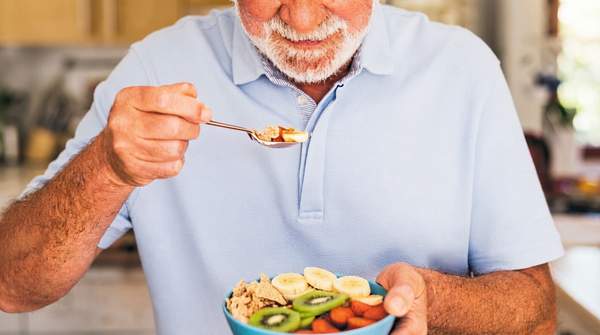
Incorporating whole fruit can be a healthy and effective strategy. Fruit provides natural sweetness to satisfy a craving, but it comes packaged with fiber, water, vitamins, and minerals. The fiber is particularly important, as it slows the absorption of fructose (the sugar in fruit), preventing the sharp spikes and crashes in blood sugar associated with processed sweets. A piece of fruit or a bowl of berries can be an excellent post-meal option to satisfy a sweet tooth while providing beneficial nutrients.
The Bottom Line
Post-meal sugar cravings are a deeply rooted biological and psychological phenomenon, not a reflection of poor self-control. These urges are driven by conditioned habits, the brain's powerful dopamine-based reward system, and physiological responses to food. Understanding these mechanisms allows for targeted strategies—such as balancing meals, disrupting habit loops, and making conscious food choices—to effectively manage these desires and improve overall health.