US pre-mixed alcoholic drinks market analysis shows spirit-based cocktails leading.

In 2025, the ready-to-drink (RTD) beverage category surged nearly 18%, eclipsing the entire vodka segment to become the undisputed leader in the U.

DM
Daniel Moretti

May 18, 2026 · 4 min read

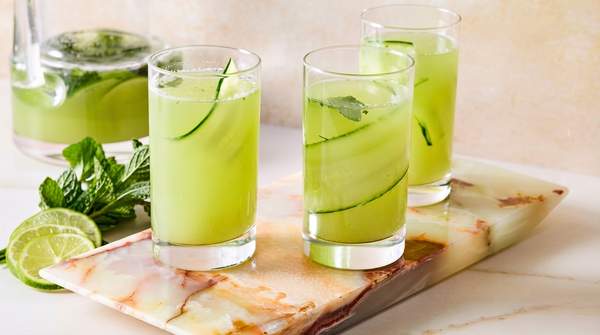
A close-up of a pre-mixed spirit-based cocktail in a stylish glass, with a blurred bar background, highlighting the leading trend in the US alcoholic drinks market.

In 2025, the ready-to-drink (RTD) beverage category surged nearly 18%, eclipsing the entire vodka segment to become the undisputed leader in the U.S. spirits market. This happened even as overall alcohol consumption declined. The rapid rise of pre-mixed alcoholic drinks fundamentally reshapes consumer habits across the US, marking a profound shift in the beverage alcohol industry.

Total U.S. beverage alcohol volume fell 5% in 2025, according to Vinetur. Yet, the ready-to-drink category expanded by nearly 18% in the same period, reports Beverage Information Group. A critical tension exists: overall consumption shrinks, but the pre-mixed alcoholic drinks market thrives.

Traditional alcohol producers face a critical choice: adapt rapidly to the booming spirit-based RTD market through acquisition and innovation, or risk significant market share erosion in a contracting industry. This dynamic now dictates the US pre-mixed alcoholic drinks market landscape for 2026.

Spirit-Based Cocktails Lead the Charge Amidst Broader Decline

Spirit-based ready-to-drink cocktails (RTDs) surged 14% in the U.S. last year, according to Vinetur. The 14% surge in spirit-based ready-to-drink cocktails confirms a distinct consumer preference for convenient, spirit-forward options.

The shift is profound: malt-based RTDs declined 5%, while spirit-based RTDs climbed 14% in the U.S. last year, Vinetur reports. This isn't just about convenience anymore; drinkers now demand the perceived authenticity and quality of a true spirit-based cocktail in a ready-to-drink format. The implication is clear: brands relying solely on the "ready-to-drink" aspect without a strong spirit base risk obsolescence.

Meanwhile, U.S. spirits volumes fell 4% last year, Vinetur also stated. This decline in traditional spirits occurred even as RTDs overtook the entire vodka segment, becoming the clear leader in the U.S. spirits market in 2025, according to Beverage Information Group. A powerful consumer migration is evident: away from conventional spirits and even malt-based RTDs, towards the perceived premium experience of spirit-based ready-to-drink cocktails. The traditional spirits market is not merely shrinking; it's being actively cannibalized by its more agile, convenient counterparts. For more, see our Ready-to-drink cocktail market sees major.

How Major Beverage Companies Respond to RTD Growth

Molson Coors announced in March its acquisition of Atomic Brands, the company behind Monaco Cocktails RTD, reports Beverage Information Group. Molson Coors' acquisition of Atomic Brands confirms a scramble for market share. Established giants now see the rapid shift to spirit-based RTDs as an existential threat.

Companies that hesitate to embrace spirit-based RTDs are not merely missing a growth opportunity; they are actively ceding market share to a category that has already surpassed vodka. The Atomic Brands acquisition proves these companies are compelled to buy market share, rather than cultivate it organically. Rapid adaptation, often through M&A, is now the primary competitive lever in the US pre-mixed alcoholic drinks market.

How the RTD Alcoholic Beverage Market Evolves in 2026

The c-store alcohol category now notably expands beyond traditional seltzers, according to Cspdailynews. The c-store alcohol category's expansion beyond traditional seltzers signifies the rapid evolution of the ready-to-drink alcoholic beverage market in 2026. The expansion into diverse retail channels, particularly convenience stores, underscores the broad appeal of RTDs and their increasing integration into everyday consumer access points.

Market growth is fueled by consumer demand for both variety and ease. Drinkers increasingly seek spirit-based options that deliver an authentic cocktail experience without the hassle of mixing. The proliferation of RTDs in c-stores means these products are no longer niche; they are becoming a staple, forcing traditional retailers to rethink shelf space and merchandising strategies. This broader availability will likely accelerate consumer adoption and further drive innovation in packaging and flavor profiles.

The Future of Alcohol: Convenience and Innovation

The alcoholic beverage market will continue its aggressive pivot towards consumer demands for convenience and innovation. Spirit-based RTDs, particularly those offering authentic cocktail experiences, will drive relentless product development, pushing the boundaries of flavor and format. The alcoholic beverage market's aggressive pivot towards consumer demands for convenience and innovation suggests a future where traditional categories face escalating pressure from these agile, consumer-focused products, potentially forcing legacy brands to either innovate or fade.

Agile brands, hyper-responsive to evolving flavor trends and demanding quality ingredients, will seize a decisive competitive edge. Distribution channels will diversify further, moving beyond traditional liquor stores into every conceivable retail space, from c-stores to online platforms. The sustained growth of spirit-based RTDs will fundamentally reshape product portfolios and marketing strategies across the entire beverage alcohol industry. Companies like Molson Coors, through its acquisition of Atomic Brands, have already demonstrated the urgency to adapt; the next five years will likely see a wave of similar strategic moves and market realignments, as brands vie for dominance in this rapidly evolving landscape.

Your Questions About the RTD Market Answered

What are the top RTD alcoholic beverage brands in the US in 2026?

Several brands lead the competitive RTD market. High Noon Sun Sips, from E. & J. Gallo Winery, is a prominent player. Other notable brands include Cutwater Spirits, On The Rocks, Tip Top Proper Cocktails, and Miami Cocktail Co. all recognized for their growth, according to Beverage Information Group. These brands reflect the consumer demand for diverse and quality spirit-based options.