Most home cocktail enthusiasts unknowingly sabotage their drinks by 'eyeballing' ingredients, leading to inconsistent and often disappointing results. Without precise measurements, even premium spirits and fresh mixers yield unbalanced flavors, frustrating the pursuit of a perfect drink.
Home mixologists desire professional-grade drinks, but often skip the fundamental step of precise measurement. This creates a gap between aspiration and outcome. The core problem isn't knowing what to mix, but a reluctance to use a jigger—the simplest tool—to ensure how much to mix, despite its proven impact on consistency and taste.
Home cocktail quality will remain inconsistent until home mixologists adopt professional techniques like accurate measurement. The widespread habit of 'eyeballing' components, rather than measuring, is a common mistake in homemade cocktails, according to CNBC. This habit undermines the potential for truly bar-quality drinks.
The Power of Precision: Classic Recipes
The Generous Gin Gimlet recipe highlights precision's power in cocktail crafting. This classic drink demands exact amounts: 60ml Generous Gin Original, 30ml Lime juice, and 15ml Simple syrup, as detailed by The Spirits Business. Adhering to these precise ratios is fundamental for a perfectly balanced, professional-tasting cocktail. Without it, even a simple drink falls flat, proving that consistency isn't just for complex concoctions.
Using a jigger
Best for: Any home mixologist seeking consistency and accuracy.
A jigger, typically conical or hourglass-shaped, provides precise liquid volumes. Professional bartenders use them consistently, ensuring every drink tastes the same. This tool eliminates guesswork.
Strengths: Ensures consistent flavor; elevates drink quality; easy to clean. | Limitations: Requires initial attention; adds a small step. | Price: Low
Avoiding eyeballing ingredients
Best for: Anyone prone to imprecise pouring.
Many home mixologists pour ingredients without measuring, creating wildly inconsistent drinks. This convenient practice contradicts professional methods. Precision prevents overly sweet, sour, or weak cocktails.
Strengths: Guarantees balanced flavor; prevents ingredient waste; builds mixology discipline. | Limitations: Requires a conscious shift from casual pouring. | Price: N/A
Using fresh ingredients
Best for: Enhancing overall flavor and aroma in any cocktail.
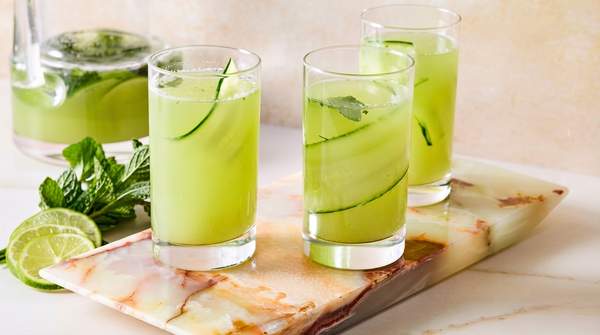
Bar-quality cocktails demand fresh components. Recipes like the La Paloma Ocho specify 'Fresh grapefruit juice' and 'Fresh lime juice,' proving their critical impact on taste. Food52 also emphasizes fresh elements in spring cocktails.
Strengths: Brighter, more vibrant flavors; superior aroma; no artificial aftertaste. | Limitations: Shorter shelf life; requires more frequent shopping. | Price: Moderate
Focusing on simple, fresh, and impressive cocktails
Best for: Beginners and those seeking high-impact drinks with minimal complexity.
Straightforward recipes with fresh ingredients allow home mixologists to master fundamental techniques. Food52's simple, fresh, and impressive spring cocktails prove quality doesn't always demand complexity.
Strengths: Easier to master; consistently delicious results; impressive to guests. | Limitations: May limit variety for advanced enthusiasts. | Price: N/A
Incorporating Simple Syrup
Best for: Achieving balanced sweetness in cocktails.
Simple syrup, a 1:1 sugar and water mixture, is foundational in many cocktails. The Generous Gin Gimlet and La Paloma Ocho recipes both use 15ml, demonstrating its crucial role in balancing acidity and spirits.
Strengths: Dissolves easily; provides consistent sweetness; versatile. | Limitations: Requires pre-preparation; can be overused if not measured. | Price: Low
Exploring Spring Cocktails
Best for: Discovering seasonal flavors and expanding recipe repertoire.
Food52 features 16 spring cocktails, like a lavender gin rickey and a rhubarb whiskey sour. Exploring seasonal options encourages fresh ingredient use and new flavor combinations, keeping home mixology engaging.
Strengths: Introduces seasonal ingredients; offers diverse flavor profiles; encourages creativity. | Limitations: Ingredient availability can be seasonal. | Price: Varies
The Essential Tool for Consistency
| Feature | Jigger | Eyeballing |
|---|---|---|
| Precision Level | High (Exact ml/oz) | Low (Subjective estimation) |
| Impact on Consistency | Excellent (Reproducible flavor) | Poor (Varies drink-to-drink) |
| Ease of Use | Moderate (Requires attention) | High (No effort) |
| Cost | Low (One-time purchase) | None (Behavioral habit) |
| Professional Standard | Yes (Industry practice) | No (Amateur approach) |
A jigger is the essential bridge between amateur guesswork and professional-quality results. Without this precise measuring tool, repeatable excellence in homemade drinks becomes nearly impossible. The biggest barrier to a perfect homemade cocktail isn't exotic spirits, but rather the discipline to use basic tools correctly.
Beyond the Basics: Elevating Your Home Bar
Even for intricate drinks, precise measurement forms the foundation for bar-quality taste. The La Paloma Ocho recipe specifies 45ml Ocho Plata, 30ml Fresh grapefruit juice, 15ml Fresh lime juice, 15ml Simple syrup, and soda water, according to The Spirits Business. Each component plays a specific role; any deviation disrupts the intended balance. This shows that professional-grade drinks, regardless of complexity, rely on exact ratios. A slight deviation from these proportions due to 'eyeballing' fundamentally alters the intended flavor profile, making consistency impossible.
Trending Tastes: What's Popular Now?
Even as cocktail trends evolve, the foundational principles of precision and quality remain constant, ensuring that even the most cutting-edge drinks can be perfected at home.
What are the essential tools for a home bar?
Beyond a jigger, essential tools include a cocktail shaker, strainer, and bar spoon. A muddler expands your range for muddled fruits or herbs.
How can I make my cocktails taste more professional?
Elevate cocktails by focusing on fresh juices, high-quality spirits, and proper chilling and dilution. Always use a jigger for precise measurements and chill glassware before serving to maintain temperature.
What are the best spirits for home mixology in 2026?
In 2026, versatile spirits like gin, tequila, and rum remain popular bases for classic and trending cocktails. Tropical cocktails, for instance, are popular as summer approaches, driving demand for rum and other fruit-forward spirits.
As home mixology continues to evolve, the distinction between amateur and professional drinks will likely hinge on the consistent application of fundamental techniques, particularly precise measurement, rather than just ingredient quality.