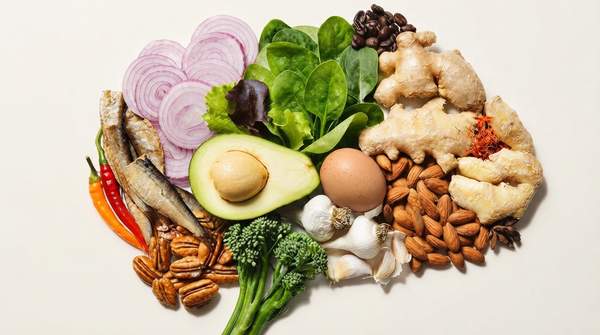
Aging happens inside your cells long before it shows on the outside, and two processes sit at the center of it: telomere shortening and cellular senescence. The encouraging news from nutrition research is that these mechanisms are not entirely fixed. Reviews of dietary evidence consistently associate eating patterns built on fruits, vegetables, whole grains, nuts, and legumes — the Mediterranean, DASH, and plant-based diets among them — with better maintenance of telomeres and lower levels of the inflammation and oxidative stress that drive cellular aging. This article explains the biology, then compares the major evidence-based dietary patterns so you can choose one by its principles rather than its label.
Dietary Strategies for Cellular Longevity
Start with the biology. Telomeres are the protective caps at the ends of chromosomes, and each time a cell divides, they grow a little shorter. When they become critically short, a cell can no longer divide safely. As a review of plant-based nutrition published in Nutrients explains, telomere shortening is linked to cellular aging and age-related diseases, and older adults are especially vulnerable to its downstream consequences: frailty, chronic inflammation, and oxidative stress. Oxidative stress matters here because it accelerates the wear on telomeres themselves, which is why antioxidant defenses are so relevant to the aging trajectory.
The second core process is cellular senescence. When a cell is damaged or has divided enough times, it can enter a state where it stops multiplying but does not die off cleanly. Senescent cells linger and release inflammatory signals, a phenomenon sometimes described as a "pro-aging molecular profile" in the nutrition literature. A review of nutritional strategies and aging in Nutrients frames diet as a modulator of this whole trajectory: caloric restriction strengthens antioxidant defenses and reduces age-related chronic inflammation by suppressing a growth-signaling pathway called mTOR, while timing strategies such as intermittent fasting and time-restricted eating promote autophagy — the cellular housekeeping process that clears damaged components.
Where does everyday food choice fit in? The most direct evidence concerns telomere length, which functions as a measurable marker of cellular aging. A review on energy balance and telomere length, published in Nutrients, describes research in Hispanic subjects using five different evidence-based dietary indices — including Mediterranean diet compliance and the DASH index — which found that the risk of having short telomeres was lower in individuals with high diet-quality scores. A prospective cohort study by Crous-Bou and colleagues of 4,676 healthy female nurses supported the same direction of association. In other words, the better the overall quality of the diet, the longer the telomeres tended to be.
One caution belongs here before we go further. These findings come largely from observational studies and scientific reviews, so they show associations between diet and cellular markers of aging rather than proof that any diet reverses aging. Individual responses to dietary change also vary. And diet is only one pillar: exercise and sleep matter too, though they fall outside this article's scope.