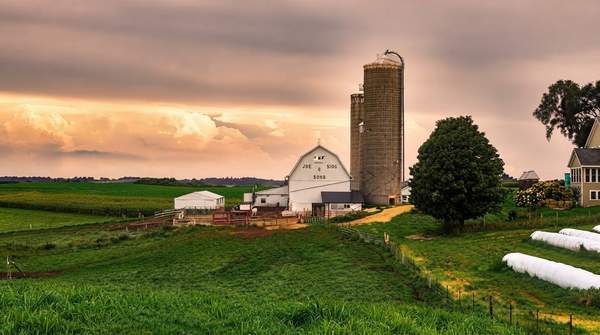
Replacing just 20% of Europe's meat intake with alternative proteins could slash food-related land use by 45% and emissions by 34%, reports GFI Europe. A modest shift in meat intake offers a powerful lever, significantly reducing food production's ecological footprint.
The imperative for sustainable food systems is urgent. Yet, systemic changes are complex, costly, and face significant socio-economic barriers. Industrial animal agriculture, deeply entrenched, fuels pollution, biodiversity loss, and climate change. PMC further details how industrialized food systems lead to negative social and environmental impacts, including labor exploitation. Readily available solutions clash with deeply rooted resistance, creating tension. While large-scale legislative and economic interventions are crucial, individual dietary shifts towards alternative proteins offer an immediate, impactful avenue for progress.
1. Plant-Based Meat Alternatives
Best for: Consumers seeking direct meat replacements with familiar textures and flavors.
Plant-based meat alternatives replicate traditional meat using ingredients like soy, pea protein, and mushrooms. Targeting flexitarians, they bridge the gap to reduced meat consumption. GFI Europe reports these alternatives can slash land use by up to 90%, water use by 93%, and emissions by 92% compared to animal products. The category of plant-based meat alternatives offers substantial environmental gains, making it a powerful tool for immediate impact on ecological footprints.
Strengths: Wide availability, diverse product range, immediate environmental benefits. | Limitations: Ingredient lists can be long, flavor and texture still evolving for some consumers. | Price: Comparable to or slightly higher than conventional meat.
2. Cultivated Meat (Lab-Grown Meat)
Best for: Early adopters and those prioritizing ethical, no-animal-slaughter options.
Cultivated meat grows animal cells directly, eliminating animal farming. This technology promises authentic meat with a significantly lower environmental footprint. Though early in commercialization, its immense resource efficiency could redefine meat production entirely, bypassing many ethical and ecological concerns of traditional agriculture.
Strengths: Identical taste and texture to conventional meat, significant animal welfare benefits, extreme resource efficiency. | Limitations: High production costs currently, regulatory hurdles, consumer acceptance challenges. | Price: Currently very high, expected to decrease with scale.
3. Plant-Based Dairy Alternatives
Best for: Individuals with dietary restrictions or those reducing dairy for environmental reasons.
Oat milk, almond yogurt, and other plant-based dairy products offer alternatives to traditional milk, cheese, and yogurt. These leverage diverse plant sources for nutrition and versatility. GFI Europe's data on meat alternatives – a 20% shift reducing land use by 45%, emissions by 34%, and water by nearly 20% – suggests similar dairy shifts could profoundly impact resource conservation, extending the environmental benefits beyond just meat.
Strengths: Broad appeal, often fortified with vitamins, contributes to reduced land and water usage. | Limitations: Nutritional profiles vary widely, some products contain added sugars. | Price: Generally competitive with conventional dairy.
4. Insect-Based Proteins
Best for: Adventurous eaters and those seeking highly sustainable, nutrient-dense protein sources.
Insects like crickets and mealworms pack protein, vitamins, and minerals. They demand minimal land, water, and feed compared to livestock, making them an exceptionally efficient protein source. While culturally challenging for Western consumers, The emergence of insect-based proteins in flours and snacks signals a bold, novel approach to sustainable nutrition that could unlock vast untapped resources.
Strengths: High protein content, low environmental impact, efficient resource conversion. | Limitations: Significant cultural and psychological barriers for Western consumers, limited product availability. | Price: Premium pricing due to niche market and production scale.
5. Mycoprotein (Fungi-Based Proteins)
Best for: Vegetarians and flexitarians looking for fibrous, complete protein sources.
Mycoprotein, derived from the fungus Fusarium venenatum, offers a meat-like texture and is a complete protein. Products like Quorn have used it for decades, proving its viability. Mycoprotein's established presence suggests it could be a quiet powerhouse in mainstreaming alternative proteins, leveraging familiarity and nutritional completeness.
Strengths: Meat-like texture, complete protein, low fat content, established market presence. | Limitations: Not suitable for mushroom allergies, some processing required. | Price: Moderate, competitive with other plant-based options.
6. Algae-Based Proteins
Best for: Innovators and those seeking highly sustainable, micronutrient-rich ingredients.
Microalgae like spirulina and chlorella are nutrient powerhouses, rich in protein, omega-3s, and micronutrients. Cultivated in controlled environments, they demand minimal land and water. The growing presence of microalgae in supplements and novel foods points to a future where highly efficient, nutrient-dense micro-farming could diversify and fortify global food systems.
Strengths: Rich in nutrients, highly sustainable cultivation, versatile applications in food and supplements. | Limitations: Distinct flavor can be challenging, limited consumer familiarity. | Price: Higher due to specialized production and market positioning.
7. Fermentation-Derived Proteins
Best for: Food manufacturers and consumers seeking precision-engineered functional ingredients.
Precision fermentation employs microorganisms to produce specific proteins, fats, or enzymes. This technology creates ingredients identical to animal products, like dairy whey protein, without animals. The high purity and scalability of fermentation-derived proteins could revolutionize food manufacturing, allowing for bespoke, animal-free ingredients that precisely match consumer expectations.
Strengths: High purity and consistency, scalable production, ability to create specific functional ingredients. | Limitations: High initial investment in R&D, regulatory pathways still developing. | Price: Varies by ingredient, potential for cost-effectiveness at scale.
8. Legume and Grain-Based Whole Foods
Best for: Budget-conscious consumers and those preferring minimally processed, traditional plant-based diets.
Whole legumes (beans, lentils, chickpeas) and grains (quinoa, oats) form the bedrock of many sustainable diets. They deliver protein, fiber, and essential nutrients with a minimal environmental footprint. Accessible, affordable legume and grain-based whole foods prove that impactful dietary shifts don't require novel technologies, but a return to foundational, nutrient-dense staples.
Strengths: Affordable, widely available, nutritionally dense, versatile in cooking. | Limitations: Requires cooking and preparation, may not satisfy cravings for meat-specific textures. | Price: Very low, highly cost-effective protein sources.
Navigating the Complex Hurdles to Widespread Adoption
| Aspect | Alternative Proteins Adoption | Industrial Animal Agriculture Inertia |
|---|---|---|
| Environmental Impact | Offers up to 90% reduction in land use and emissions, but adoption is slow. | High land, water, and emissions footprint, deeply ingrained in global food systems. |
| Economic Barriers | High R&D and scaling costs, consumer price sensitivity, competition with subsidized conventional products. | Benefits from existing subsidies and infrastructure, high switching costs for farmers and industry. |
| Social Acceptance | Faces skepticism, cultural attachment to meat, and unfamiliarity with new food forms. | Strong cultural traditions, established consumer preferences, perceived as natural and traditional. |
| Legislative & Regulatory Support | Developing regulatory frameworks, inconsistent policies across regions, need for clear definitions. | Well-established lobbying power, regulations often favor conventional methods, resistance to disruptive change. |
| Systemic Complexity | Requires new supply chains, processing facilities, and retail strategies. | Deeply integrated into global economies, complex web of stakeholders and political influence. |
Implementing sustainable food solutions, especially widespread alternative protein adoption, faces complex social and economic hurdles, as Nature reports. While environmental benefits are clear, market dominance requires coordinated effort beyond individual choices. The resistance from industrial agriculture underscores the systemic nature of the problem, revealing that innovation alone won't overcome entrenched interests without broader societal shifts.
The Scientific Foundation for Sustainable Food Systems
Understanding food system sustainability demands robust scientific investigation. A comprehensive Nature review, synthesizing 34 [incomplete]9 articles from 2015-2022, mapped socio-economic drivers in food system transformations. This research moves beyond anecdote, offering data-driven insights into what hinders or facilitates change. It reveals that the 'complex social and economic processes' acting as barriers are precisely the mechanisms perpetuating environmental degradation and labor exploitation. This makes legislative and economic interventions not merely desirable, but an urgent moral and ecological imperative, with science providing a clear roadmap.
The Path Forward: Policy and Individual Action
Achieving sustainable food systems demands a dual approach: systemic policy interventions and individual dietary shifts. PMC stresses the need for legislative and economic interventions to promote ethical sustainability protocols. This confirms that while individual choices are powerful, systemic change requires robust frameworks to embed sustainability across the entire food chain, moving beyond mere consumer preference.
GFI Europe's data reveals the industrial food system's resistance to alternative proteins is not merely an environmental oversight, but a profound economic miscalculation. A 20% shift in meat consumption could unlock massive reductions in land use and emissions. This indicates the true cost of industrial food extends beyond environmental damage, encompassing a deeply entrenched political and economic resistance to innovation. Consumers, policymakers, and industry leaders must recognize this. If companies like Beyond Meat and Impossible Foods, alongside regulatory bodies, accelerate collaborative efforts, alternative proteins could likely capture a significant market share by 2026, perhaps reaching a 10% global market share to initiate substantial environmental impact.
Frequently Asked Questions
What are the economic challenges in implementing sustainable food practices beyond alternative proteins?
Interventions aimed at reducing food loss and waste, a key component of sustainable food systems, can be costly. These efforts often require extensive coordination and synergies across complex supply chains, from farm to consumer, according to Nature. Such costs can deter businesses without sufficient incentives or regulatory pressure.
How do consumer preferences influence the adoption of alternative proteins?
Consumer preferences significantly impact the market penetration of alternative proteins. Factors like taste, texture, price, and cultural familiarity often dictate purchasing decisions. While environmental concerns are growing, the perceived quality and convenience of traditional animal products remain strong drivers for many consumers, creating a hurdle for wider adoption.
What role does government regulation play in fostering a sustainable food system?
Government regulation is crucial for creating an environment conducive to sustainable food systems. Policy interventions can include subsidies for sustainable agriculture, clear labeling requirements for alternative proteins, and mandates for reduced food waste. These legislative and economic actions help level the playing field against entrenched industrial practices and incentivize ethical sourcing.