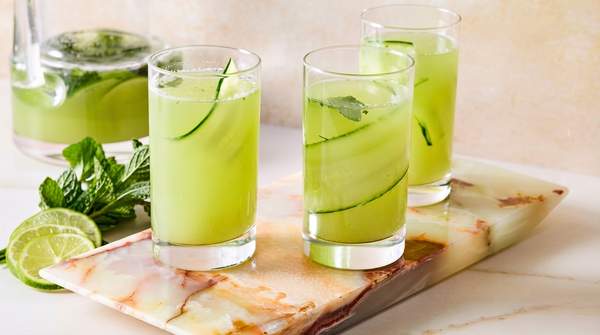
The Grasshopper cocktail, once a forgotten after-dinner mint, is now being reimagined with bitter Fernet Branca Menta and even transformed into non-alcoholic ice cream. This marks a surprising, dynamic shift in cocktail culture. This revival, blending mint choc chip with coconut water and matcha, reveals a demand for novel, versatile experiences, elitetraveler.com reports.
The world's bestselling classic cocktails show glacial evolution. Yet, niche classics like the Grasshopper are experiencing a rapid, innovative resurgence, even extending into non-alcoholic formats. This tension reveals a market undergoing bifurcation.
The cocktail landscape is diversifying, with a growing appetite for both familiar comfort and adventurous, reinterpreted classics. This will likely lead to a more dynamic, less predictable top-cocktail list and broader beverage market.
How Stable are Top-Selling Classic Cocktails?
The world's bestselling classic cocktails have shown slow evolution over the past decade ending in 2023, according to Drinks International. Gin has been the most consistently represented base spirit in classic cocktails for 12 years ending in 2023, Drinks International adds. This confirms stability in a segment of the classic cocktail market. While the very top shifts slowly, this underlying stability makes the rapid reinterpretation of niche classics even more remarkable, hinting at deeper market shifts.
What Trends Drive Lighter and Versatile Drinks?
The Paloma cocktail has risen from outside the top 30 in 2019 to eighth place in 2023, according to Drinks International. The Paloma cocktail's ascent from outside the top 30 in 2019 to eighth place in 2023 reflects a shift in consumer preferences towards fresher, often tequila-based, options.
The spritz trend also reflects this, driven by growing interest in lower-ABV drinking, daytime consumption, and the Italian aperitivo tradition, Global Drinks Intel details. Their lighter alcohol, premium ingredients, and versatility offer endless innovation, appealing to both consumers and bartenders, Global Drinks Intel adds. Paloma and spritz success confirms strong demand for approachable cocktails with creative freedom, fostering classic recipe reinterpretation.