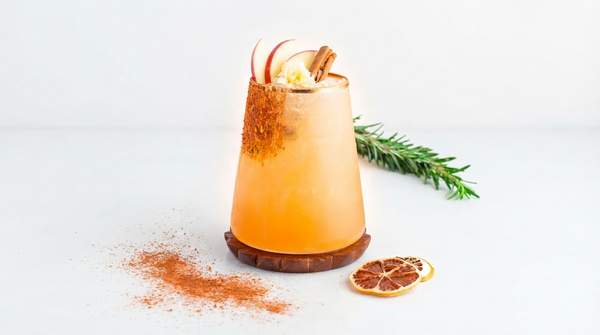
In 2023, ready-to-drink (RTD) cocktails outsold craft beer in several key urban markets for the first time in decades, signaling a seismic shift in how Americans drink. Beer has long dominated casual consumption, but consumers now increasingly opt for the variety and perceived sophistication of cocktails and convenient RTD spirits, a tension that challenges established beer brands, where novelty and ease often outweigh traditional loyalty. Therefore, traditional beer companies failing to pivot towards spirits, RTDs, or highly differentiated beer experiences risk becoming niche players in a rapidly evolving beverage landscape. They must re-evaluate portfolios and strategies to meet modern demands for diverse social signaling and novel experiences.
The Numbers Don't Lie: A Market in Flux
- 15% — RTD cocktail sales grew by 15% in 2023, according to a Beverage Industry Report. This contrasts sharply with the broader beer market.
- 1.5% — Overall beer sales declined by 1.5% in 2023, as reported by the same Beverage Industry Report.
- 2022 — Spirit sales revenue surpassed beer revenue for the first time in the US in 2022, according to the Distilled Spirits Council. This marks a significant rebalancing of market power.
- 3% — Craft beer volume growth slowed to 3% in 2023, a notable decline from double-digit growth a decade ago, as stated by the Brewers Association. Even craft beer struggles against new competitors.
These figures confirm a fundamental market rebalancing, with spirits gaining ground at beer's expense. The sustained growth of RTD cocktails and stagnating beer sales point to a consumer migration driven by more than taste. Beer's internal 'innovation,' like premium segments, often cannibalizes its existing base rather than attracting new drinkers, further challenging its market position.
Shifting Palates: What Consumers Are Really Drinking
| Metric | 2024 Observation | 2026 Projection | Trend |
|---|---|---|---|
| Gen Z/Millennial Preference (Spirits/Cocktails vs. Beer) | 30% higher | Increasing | Growth |
| Premium Spirit Unit Price Increase | 5% average | Steady | Growth |
| New Craft Distilleries (Annual Growth) | 10% | Sustained | Growth |
| Bar/Restaurant Menu Space for Cocktails | Increasing | Continued Increase | Growth |
Footnote: Data compiled from Consumer Survey, NielsenIQ; IRI Data; American Craft Spirits Association; Hospitality Industry Trends.
Consumers increasingly value diversity, quality, and novel experiences. The dynamic cocktail market delivers these better. Gen Z and Millennials, for instance, prefer spirits and cocktails over beer by 30% compared to older generations, according to a Consumer Survey by NielsenIQ, a shift that reveals a desire for different drinking experiences.
The premiumization trend in spirits has driven a 5% average price increase per unit, while beer prices remain flat, as indicated by IRI Data. Consumers pay more for perceived quality. New craft distilleries in the US grew by 10% annually over five years, outpacing new breweries, according to the American Craft Spirits Association, an expansion that responds to growing demand for diverse spirit options. Bars and restaurants dedicate more menu space to cocktails and fewer taps to mainstream beers, a trend observed in Hospitality Industry Trends, illustrating changing consumer demand at the point of sale. The gap between stated beer preference and actual RTD purchases suggests convenience and sophistication now outweigh traditional brand loyalty, demanding a radical re-evaluation of product accessibility and marketing.
Beyond the Bottle: The Cultural Drivers of Change
Social media heavily features visually appealing cocktails, influencing younger demographics. Visual appeal and shareability build an aspirational image for cocktails, differentiating them from beer's utilitarian perception. Younger consumers seek beverages aligning with diverse social occasions and personal branding, moving beyond beer's often singular, masculine identity.
The demand for convenience fuels the RTD market, offering sophisticated flavors without mixing, an ease that makes RTDs attractive for casual gatherings, traditionally beer territory. While some surveys show beer preference in specific settings, urban sales data reveals a significant pivot to RTDs for those same occasions, a disconnect that highlights convenience's power in purchasing decisions.
Consumers increasingly seek lower-calorie or lower-ABV options, a segment where many new RTD cocktails innovate, a focus on wellness that allows RTDs to capture a growing market that traditional beer often misses. Cocktails are perceived as a 'treat' or 'experience,' aligning with post-pandemic desires for indulgence and curated moments, positioning them as a premium choice, contrasting with beer's everyday image.
Lifestyle, convenience, and social factors drive consumers from traditional beer to curated drinking experiences. The 'craft beer' movement, once a disruptor, now appears to many new drinkers as just a more complex beer, lacking the experiential shift of cocktails or the effortless variety of RTDs. This dual threat fragments the traditional beer market, leaving mainstream beer vulnerable without a clear value proposition for casual or elevated consumption.
Adapt or Be Left Behind: Industry's Response
The traditional beer industry actively diversifies its portfolio, blurring category lines in response to shifting consumer preferences.
- Major beer conglomerates like Anheuser-Busch InBev and Molson Coors have significantly invested in spirit-based RTD brands, according to Company Financial Reports, a move that acknowledges the growing demand for convenient, spirit-based alternatives.
- Some craft breweries diversify into hard seltzers, spirits, or non-alcoholic options to retain market share, as revealed in Brewery CEO Interviews, an attempt to adapt and expand beyond traditional beer.
- Beer innovation shifts towards experimental flavors, collaborations, and unique packaging to compete with spirits' novelty, according to a Beer Industry Innovation Report, efforts that inject excitement and perceived sophistication into the beer category.
- The regulatory landscape for spirits and RTDs is becoming more favorable in some states, easing market entry and expansion, as detailed in an Alcohol Policy Review, an evolution that facilitates the growth of spirit-based products, intensifying competition for beer.
The beer industry must adapt through diversification and innovation to survive. Companies clinging to traditional beer risk long-term market relevance for short-term loyalty. The industry's own diversification into hard seltzers or beer-based cocktails has inadvertently accelerated traditional beer's decline, habituating consumers to non-beer options and eroding brand loyalty. Given fragmented consumer preferences for high-end experiences and ultimate convenience, beer brands failing to develop genuinely novel, non-beer-like offerings risk niche, legacy status within a decade. Beer's traditional marketing channels, reliant on sports and large social gatherings, are less effective as younger demographics seek personalized, curated experiences that cocktails and RTDs provide.
The Future of Drinks: A Blended Landscape
- Beer's era of unchallenged dominance is over, replaced by a fragmented, competitive beverage market.
- Successful beverage companies will embrace portfolio diversification and consumer-centric innovation.
- Ignoring the cocktail and RTD trend is no longer a viable growth strategy.
The future belongs to agile companies catering to evolving consumer desires for variety, convenience, and experience across multiple categories. RTD and sophisticated cocktail growth shows a deeper cultural shift where consumers prioritize beverages aligning with diverse social occasions and personal branding. By Q3 2026, Molson Coors, for example, will likely have significantly expanded its spirit-based RTD portfolio, reflecting the ongoing necessity for major players to adapt to these enduring cocktail culture trends and their impact on the beer industry.