Beverages That Lower Cancer Risk Emerge

Drinking just two cups of unsweetened tea daily could lower your risk of dying from cancer by 16%.

DM
Daniel Moretti

May 25, 2026 · 3 min read

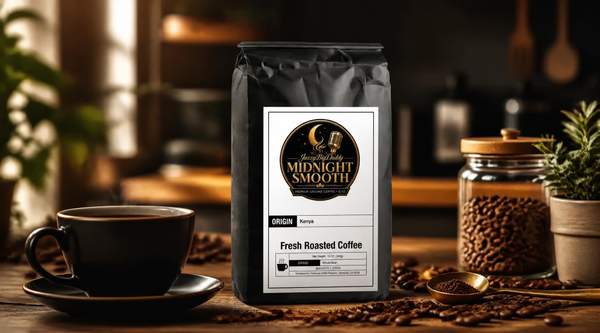
A steaming mug of unsweetened tea and a cup of black coffee on a wooden table, symbolizing healthy beverage choices for cancer risk reduction.

Drinking just two cups of unsweetened tea daily could lower your risk of dying from cancer by 16%. This simple habit offers a potent, yet often overlooked, defense against mortality from the disease. The protective effect observed with these beverages, particularly for those looking to lower cancer risk, challenges many complex prevention strategies.

Many individuals actively seek intricate or expensive methods for cancer prevention. However, readily available, everyday beverages like unsweetened coffee and tea offer significant, accessible protective effects. This creates a tension between perceived necessity for complex interventions and the actual efficacy of common daily routines.

Integrating these common, unsweetened beverages into daily habits appears to be a straightforward and impactful strategy for public health in cancer prevention. Based on MindBodyGreen's data, the widespread dismissal of unsweetened coffee and tea as serious cancer preventative measures is a critical oversight, given their demonstrated ability to reduce cancer mortality by up to 16%.

How Does Coffee Reduce Cancer Risk?

Individuals consuming more than two cups of unsweetened coffee daily showed a 5% lower risk of getting cancer, according to MindBodyGreen. These same drinkers also experienced an 11% lower risk of dying from cancer compared to non-drinkers. Regular unsweetened coffee drinkers show a clear, measurable health advantage, suggesting a simple dietary modification with significant impact.

Exploring Tea's Cancer-Fighting Abilities

Drinking two cups of unsweetened tea, including both green and black varieties, was associated with a 6% lower chance of getting cancer. This habit linked to a 16% lower chance of dying from the disease, according to the same report. MindBodyGreen stated that "regularly drinking unsweetened coffee and tea offered the strongest protective effect against cancer." However, specific data shows tea (16% mortality reduction) to be significantly more protective than coffee (11% mortality reduction). Specific data showing tea (16% mortality reduction) to be significantly more protective than coffee (11% mortality reduction) suggests a need for more nuanced recommendations. The higher mortality reduction from unsweetened tea underscores its potential as a powerful, everyday tool in cancer prevention.
The Accessibility of Cancer Prevention

The reduction in cancer mortality (up to 16%) is substantially higher than the reduction in cancer incidence (5-6%) for both coffee and tea. The substantial difference between cancer mortality reduction (up to 16%) and cancer incidence reduction (5-6%) suggests these beverages may improve survival rates, not just prevent initial onset. The evidence from MindBodyGreen indicates that individuals seeking to bolster their cancer defenses might be better served by embracing daily, unsweetened beverages. This offers a simple, actionable recommendation that integrates easily into daily life, potentially reaching a wide population without significant behavioral shifts or financial investment.

What's Next for Cancer Prevention Drinks?

The significant gap between cancer incidence reduction (5-6%) and mortality reduction (11-16%) reported by MindBodyGreen indicates that these simple beverages may not just prevent cancer, but also play a crucial role in improving survival rates for those who do develop the disease. Further studies are needed to understand the specific mechanisms behind these protective effects. Current evidence strongly supports encouraging the consumption of unsweetened coffee and tea as part of a healthy lifestyle.

Your Questions Answered

What drinks can help prevent cancer?

Beyond unsweetened coffee and tea, other beverages rich in antioxidants, such as certain fruit and vegetable juices (e.g. pomegranate, beet), may contribute to overall health. However, specific links to cancer mortality reduction with the same statistical power as coffee and tea are still developing.

Are there any new cancer-fighting beverages?

While no single "new" miracle beverage has emerged, research explores cancer-fighting properties of various plant-based drinks, including herbal infusions and fermented teas. Most discoveries focus on enhancing known compounds in existing beverages rather than introducing entirely new categories.

Which beverages are proven to reduce cancer risk?

Unsweetened coffee and tea are among the most robustly studied beverages showing a direct link to reduced cancer risk and mortality. Their consistent consumption, particularly without added sugars, presents a strong evidence-based strategy for prevention. These remain front-line accessible options.