Flavor and Wellness
FoodDrinksWellnessNutritionRecipesHealthy Living
Flavor and Wellness

Nourishing Body and Mind Through Food & Lifestyle

FoodDrinksWellnessNutritionRecipesHealthy Living
WritersContactPrivacyTerms
NutritionWellnessReady To DrinkWellnessFunctional BeveragesMarket GrowthRtd CocktailsMarket Trends

© 2026 Flavor and Wellness. All rights reserved.

  1. Home
  2. /Drinks
  3. /Craft cocktails were pricey; mini-cocktails offer a 2026 solution.
Drinks

Craft cocktails were pricey; mini-cocktails offer a 2026 solution.

In Chicago, you can now find a well-crafted margarita for $7 or a negroni for $10.

DM
Daniel Moretti

July 8, 2026 · 3 min read

A small, perfectly crafted margarita and a classic negroni cocktail displayed on a stylish bar counter in Chicago, representing affordable luxury.

In Chicago, you can now find a well-crafted margarita for $7 or a negroni for $10. This starkly contrasts the city's reputation for $18-plus cocktails. The craft cocktail boom once drove up prices, creating an expectation of high cost. Yet, a new wave of bars proves quality mixed drinks can be refreshingly affordable. This tension between perceived value and actual cost is reshaping the market. On-premise beverage alcohol will likely see continued growth, driven by younger consumers seeking value and variety. This pushes establishments to adopt accessible pricing and innovative serving formats.

The New Standard of Accessible Craft

Chicago now boasts a new standard for accessible craft cocktails. The 240 Lounge, for instance, prices most cocktails from $7.50 to $8, including whiskey sours and seasonal mojitos. Micheladas are $10, and a Brazilian old-fashioned is $9, as reported by Chicagotribune. Esmeralda's Lounge offers frozen cocktails at $8 and classics like margaritas and mojitos for $10, with spirit-forward options up to $12. Cove Lounge features classic cocktails like old-fashioneds and negronis for $10, with house 'Cove-tails' at $12. Belmont Tavern keeps all cocktails at a flat $12. This widespread adoption of sub-$12 pricing across diverse establishments isn't accidental; it's a deliberate strategy to attract and retain customers by prioritizing affordability without sacrificing quality. This market correction forces higher-priced establishments to justify their premiums or risk losing value-conscious consumers.

Why Affordability Matters More Than Ever

Affordability is now paramount because bars and restaurants account for roughly half of all beverage alcohol dollars in the US, according to NIQ. This makes the on-premise market critical. Moreover, about one in five consumers plan to increase their on-premise visits in 2026, largely driven by younger demographics, NIQ reports. This growth means bars must offer diverse price points to capture a wider demographic, particularly younger, value-conscious consumers. Establishments like Esmeralda's Lounge, with its $8 frozen cocktails, are strategically positioning themselves to capture the next generation of drinkers by prioritizing accessible quality over exclusivity. They meet consumer demand for sophisticated experiences without prohibitive costs.
Innovation in Serving: The Mini-Cocktail Solution

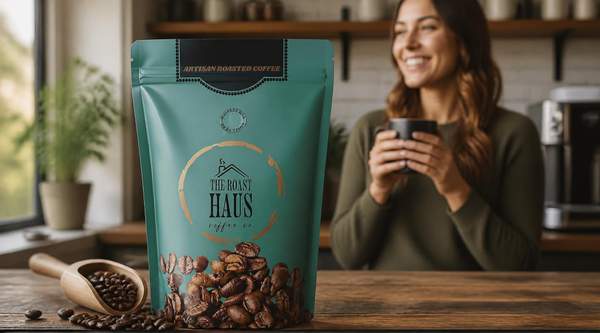
Beyond price cuts on full-sized drinks, innovation in serving formats also addresses affordability. Mini cocktails, half-pours, and curated flights are now mainstream menu features in the US On-Premise market, according to NIQ. Consumers seek these mini serves for trial, temperature control, affordability, and moderation. Operators use them to offer premium ingredients at accessible price points and increase variety. This strategy allows consumers to explore and moderate, while operators provide premium experiences at approachable prices. However, this contrasts with the full-sized, affordable craft cocktails seen in Chicago. While NIQ highlights mini serves for affordability, the success of bars offering $7 full-sized margaritas suggests consumers also value 'bang for buck' in terms of volume alongside quality. A divergence is apparent: some bars make quality accessible through smaller, premium serves, others through efficient, full-sized value.

The Future of Craft Cocktails: Value and Variety

The definition of 'craft cocktail' will likely expand beyond high price tags, embracing innovation in serving size and pricing to meet evolving consumer demands. If bars continue to offer both full-sized affordable options and mini-serves, they can democratize quality drinks and capture a broader market segment.

Related Coverage

  • Why US Drinkers Choose Non-Alcoholic Over Full-Strength

Tags

CocktailsChicagoDrinksBarMixologyValueTrends2026
DM

Daniel Moretti

Drinks & Brands Writer

Daniel Moretti covers the dynamic world of beverages and consumer brands for Flavor and Wellness, focusing on emerging trends and functional drinks. Through detailed market analysis, he provides readers with expert-backed insights into the latest wellness-focused products.

More from Drinks

Assortment of sleek, modern ready-to-drink beauty beverages with subtle health and wellness visual cues in the background.

Ready-to-drink beauty beverage market growth accelerates

The global Ready-to-Drink Beauty Beverage market, a segment promising benefits like anti-aging and collagen, is set to nearly double from USD 2,113.

Daniel Moretti· Aug 22
Young adults enjoying a variety of colorful ready-to-drink cocktails in a lively bar setting, highlighting convenience and social trends.

RTD Market Hits $13.9 Billion Amid Shifting Gen Z and Millennial Habits

In Australia, ready-to-drink cocktails now capture 15 cents of every dollar spent on drinks in bars, a significant jump from just 12 cents two years prior.

Daniel Moretti· Aug 22
Robotic arms filling and sealing cans of various canned cocktails on a high-tech production line at Anheuser-Busch's Baldwinsville brewery.

Anheuser-Busch invests $13 million to boost canned cocktail output

Anheuser-Busch, the brewer of Budweiser, is pouring $13 million into its Baldwinsville brewery.

Daniel Moretti· Aug 21
A diverse group of people enjoying a variety of colorful and sophisticated non-alcoholic beverages in a lively, modern bar setting.

Non-alcoholic beverage market sees strong growth in 2026

In just two years, from 2022 to 2024, the U.

Daniel Moretti· Aug 21

Trending Now

1
A lively bar setting showcasing the popularity of ready-to-drink cocktails over traditional spirits, with people enjoying convenient pre-mixed beverages.

Prepared cocktails are crushing traditional spirits in the US market.

Drinks· 5 views
2
Diverse group of people smiling and connecting during a vibrant communal fitness class, emphasizing shared experience and the joy of social wellness.

The Rise of Social Wellness: Why People Are Trading Solo Workouts for Communal Fitness

Trends· 3 views
3
A visually appealing bottle of adaptogen-infused beverage with subtle botanical elements, set against a backdrop hinting at scientific research and wellness.

What are adaptogenic ingredients in beverages and what's the evidence?

Drinks· 2 views
4
A lush, sustainable farm field adjacent to an eco-friendly food processing facility, symbolizing the future of responsible food production.

Top 7 Sustainable Food & Beverage Brands Making Waves in 2026

Brands· 3 views
5
A diverse group of young adults laughing and enjoying colorful BuzzBallz cocktails at a lively outdoor social event, highlighting the brand's appeal to Gen Z.

BuzzBallz Captures Gen Z, Dominates US Single-Serve Cocktail Market

Drinks· 3 views
6
Peptide Serum vs. Traditional Anti-Aging Serums: What's the Difference?

Peptide Serum vs. Traditional Anti-Aging Serums: What's the Difference?

Trends· 2 views