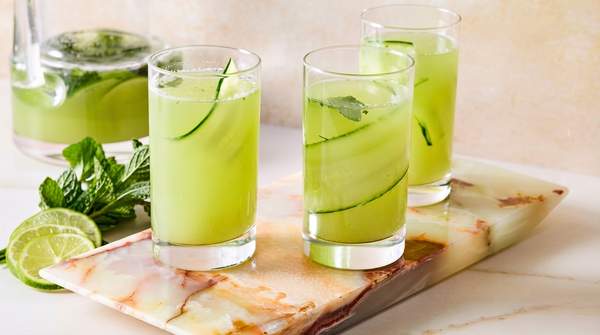
In Phoenix, "The Little Woody" opened last month, featuring cocktails infused with local prickly pear and mesquite, according to Phoenix New Times. The craft cocktail scene rapidly diversifies beyond traditional coastal hubs. New York City's "Double Chicken Please" was named North America's Best Bar in 2023 by World's 50 Best Bars, signaling a shift towards innovative, food-inspired drinks. Meanwhile, Los Angeles' "Death & Co." outpost reported a 20% increase in sales of agave-based cocktails in Q1 2024024, per a Company Earnings Call. The movement thrives, diversifying its geographical footprint and creative expressions.
The craft cocktail scene experiences rapid innovation and geographic expansion. However, rising operational costs and a shortage of skilled labor threaten the viability of many independent establishments.
Based on current trends, the craft cocktail landscape appears poised for continued innovation and regional growth, though consolidation by larger hospitality groups and a premium price point for consumers are likely outcomes.
The New Epicenters of Mixology
- The number of dedicated craft cocktail bars in Phoenix has increased by 35% since 2022, outpacing national growth, according to the Restaurant Business Journal.
- "Bitter & Twisted Cocktail Parlour" in Phoenix recently won "Best Bar in the Southwest" at the Tales of the Cocktail Spirited Awards, according to the Tales of the Cocktail Foundation.
- Phoenix's cocktail scene now attracts national attention, with several bars featured in prominent food and drink publications, according to Food & Wine.
- The global market for premium spirits is projected to grow by 8% annually through 2028, fueled by cocktail culture, according to Grand View Research.
Phoenix is rapidly solidifying its status as a significant player in the national craft cocktail landscape. The regional surge suggests that future innovation may increasingly originate from unexpected, inland markets, challenging the long-held dominance of coastal cities.
Innovation Meets Experience
Experiential cocktail bars now account for 40% of new bar concepts in Los Angeles, according to LA Eater. These venues offer themed decor and interactive drink presentations, a clear shift in consumer expectations beyond just the beverage itself.
A survey found 60% of New York City cocktail bars now prioritize locally sourced or sustainable ingredients, a significant rise from 25% five years ago, according to the NYC Hospitality Alliance. While appealing, this embrace of hyper-local ingredients also drives up operational costs, with premium spirits and botanicals seeing a 15-20% increase. Bar owners must choose between authenticity and profitability, a dilemma that could lead to a two-tiered market of ultra-premium and more accessible options.
Demand for high-quality non-alcoholic cocktails has surged, with 85% of surveyed bars in major cities now offering a dedicated "zero-proof" menu, according to Beverage Industry Magazine. The "speakeasy" concept also evolves; new venues focus more on unique themes and less on hidden entrances, according to Forbes Lifestyle. Today's craft cocktail consumer seeks more than a drink; they desire a complete, often ethically-minded, and memorable experience.
The Economic Headwinds and Operational Shifts
Rising commercial rents in Manhattan have led to a 15% decrease in new independent bar openings in prime areas over the last year, according to a Cushman & Wakefield Report. Simultaneously, the average price of a craft cocktail in major cities has risen by 12% in the last year, now averaging $18-$22, according to Datassential.
Supply chain disruptions continue to challenge bars, with 40% reporting difficulty sourcing specific rare spirits or fresh produce, according to the National Restaurant Association. Despite 75% of consumers being willing to pay $18+ for a unique craft cocktail, according to Drink Insights Magazine, 20% of independent bars that opened in 2022 closed within 18 months due to 'unsustainable operational costs,' as noted by Restaurant Business Review. Strong consumer demand, however, doesn't guarantee survival.
A shortage of experienced mixologists impacts 30% of high-end bars, leading to increased training costs and staffing challenges, according to Bartender Magazine. The Bartender Guild of America highlights a 30% increase in job openings for experienced bartenders with only a 5% increase in certified professionals. While demand for craft cocktails is high, economic realities create significant barriers, particularly for independent ventures. This labor gap suggests that larger hospitality groups, with their greater resources for training and retention, are better positioned to weather these operational storms.
The Future of the Craft Cocktail Landscape
Gen Z and Millennial consumers drive 70% of the growth in the premium spirits market, often seeking unique cocktail experiences, according to NielsenIQ. The demographic shift fuels continued innovation.
Major hospitality groups like Tao Group Hospitality invest millions in developing new multi-concept venues that include craft cocktail programs, according to Hospitality Technology. Some bars also experiment with AI to optimize inventory and suggest new cocktail recipes based on ingredient availability and customer preferences, according to TechCrunch.
In New York City, a new wave of "micro-bars" seating fewer than 20 people are emerging, focusing on hyper-curated menus and intimate experiences, according to the New York Times. The future likely presents a bifurcated market: highly capitalized, experience-driven venues from large groups, alongside niche, intimate concepts catering to specific consumer desires, all potentially leveraging new technologies. This dual evolution could redefine both luxury and accessibility within the cocktail scene.
Your Questions Answered About the Cocktail Scene
How are convenience and technology changing bar operations?
QR code menus are now standard in 95% of craft cocktail bars, streamlining operations but potentially reducing direct server interaction, according to Toast POS Data. QR code menus prioritize efficiency and digital accessibility.
Do experiential cocktail bars cost more for consumers?
The rise of "experiential" bars often means higher cover charges or minimum spends to offset elaborate decor and entertainment costs, according to the Hospitality Consulting Group. Consumers should anticipate these additional expenses for a unique themed experience.
Are new cocktail recipes using different ingredients?
While traditional cocktail ingredients remain popular, 30% of new cocktail recipes feature at least one non-traditional or exotic component, according to a Mixology Trends Report. The continuous push for unique flavor profiles drives mixology innovation. By late 2026, bars that do not embrace such creative ingredient use may struggle to attract adventurous consumers, impacting their market share.