Recent data reveals a surge in alcohol usage among Gen Z adults since April 2023, with many shifting consumption habits toward earlier, daytime occasions, a movement now known as the Gen Z daycap trend that is creating a new on-premise cocktail opportunity.
This development challenges the prevailing narrative of a teetotaling generation and presents a significant opening for bars, restaurants, and beverage brands that can adapt to a growing demand for intentional, activity-based drinking experiences. The immediate consequence is a re-evaluation of menus, operating hours, and marketing strategies as the industry pivots to capture this valuable, but evolving, demographic. For on-premise venues, the rise of the "daycap" signifies a crucial shift from late-night volume to daytime value, prioritizing quality and experience over quantity.
What We Know So Far
- Alcohol usage among Gen Z adults has reportedly surged compared to April 2023, according to data from IWSR cited by Fox News.
- Approximately 34% of legal-age Gen Z consumers say they prefer drinking early in the evening over late-night occasions, based on a 2026 Bacardi survey.
- Younger adults are prioritizing activity-centric social events like brunches and beach days, where beverages are seen as an enhancement rather than the main event.
- In Britain, one in three consumers aged 18-34 engages with the cocktail category once or twice a week, an increase of nine percentage points from the previous year, according to NielsenIQ.
- Cocktails are demonstrating notable resilience in the on-premise sector, helping support venue revenues and allowing spirits brands to maintain or grow market share.
- There is a growing demand for daytime-friendly menus that include lower-alcohol cocktails and expanded mocktail offerings to cater to these new consumption patterns.
Understanding the Gen Z Daycap Phenomenon
The "daycap" is not simply day drinking; it's a fundamental shift in social behavior. Gen Z is moving away from traditional late-night bar crawls toward intentional, experience-driven gatherings like brunches, backyard hangouts, beach days, and afternoon get-togethers. These occasions reframe alcohol's role: as an AOL.com report notes, "Beverages enhance the experience, not define it."
Data supports this mindset: A 2026 Bacardi survey found 34% of legal-age Gen Z consumers prefer early evening drinking over late-night occasions. This aligns with a wellness-conscious attitude, as about half of Gen Z individuals say health messaging encourages alcohol moderation. The daycap fits this paradox, allowing social drinking—often limited to one or two high-quality, flavorful drinks—without the perceived negative health consequences of heavy, late-night consumption.
The daycap trend redefines "going out," making drinks a complementary part of a larger activity, not the sole purpose. This requires a different approach from on-premise establishments, which have historically built business models around evening and late-night traffic. The rise of the daycap suggests a significant, untapped revenue stream during daylight hours, provided venues can deliver the specific experience this demographic seeks.
Bars and Brands Adapting to Gen Z Cocktail Preferences
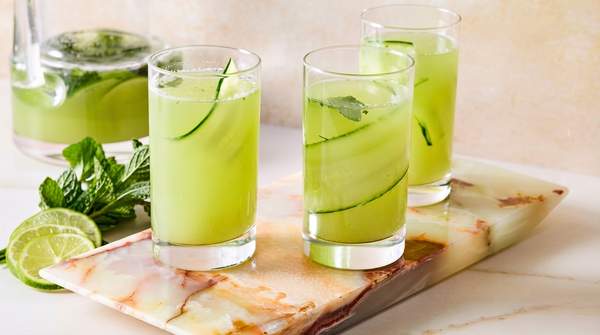
Daytime occasions drive an evolution in taste preferences, forcing bars and brands to innovate. The mantra for appealing to this younger cohort is "flavor over strength," leading to growing demand for lighter, more refreshing drinks, lower-alcohol options, spritzes, and sophisticated non-alcoholic alternatives. Heavy, spirit-forward cocktails are yielding to sessionable, visually appealing, and complex-flavored beverages that are not overwhelmingly strong.
According to analysis from NielsenIQ, younger consumers are a valuable target group for cocktails, with their consumption frequency rising sharply. In the US, around 38% of younger and middle-aged consumers choose cocktails when out. However, their choice is driven by specific criteria. Quality ingredients, presentation, and "Instagrammability" are paramount. A cocktail must not only taste good but also look good on a social media feed. This has elevated the importance of unique glassware, artisanal garnishes, and vibrant colors. On a recent visit to a popular brunch spot, I observed that the menu dedicated as much space to elaborate, low-ABV spritzes and seed-to-lip mocktails as it did to traditional mimosas, a clear signal of this market adaptation.
Furthermore, younger drinkers are increasingly drawn to flavor experimentation and are more willing to try new and innovative cocktails. NielsenIQ reports they often favor signature serves that are unique to a venue, providing an opportunity for bars to build a reputation around creative mixology. While classics remain popular—the Margarita is reportedly a favorite for 44% of younger US consumers—the real opportunity lies in offering novel twists or entirely new creations that cater to an adventurous palate. Branded spirits also play a key role, with their presence on a menu often influencing purchasing decisions among US consumers looking for a mark of quality.
What Happens Next
The daycap trend prompts critical questions for the on-premise beverage industry's future. As this behavior entrenches, venues must adapt core business models: Will operating hours shift widespread, with bars opening earlier for brunch and afternoon crowds? How will staffing and inventory management change to accommodate a more evenly distributed daily traffic flow, rather than a concentrated late-night rush?
For beverage brands, the challenge is to realign marketing strategies. Campaigns have traditionally centered on the energy and allure of nightlife. Now, brands must learn to speak to the values of daytime, activity-based consumption. This could mean more partnerships with daytime events, a focus on lower-ABV product lines, and messaging that highlights flavor, refreshment, and responsible enjoyment. The tension between the reported surge in alcohol usage and the simultaneous desire for moderation will continue to be a key driver of innovation, particularly in the low-and-no-alcohol categories.
The Gen Z daycap trend is not a fleeting fad, but a reflection of a generation's evolving, more mindful, experience-forward relationship with alcohol and socializing. Bars, restaurants, and brands that adapt their offerings to these changing preferences will be best positioned to thrive in this new landscape of daytime drinking.