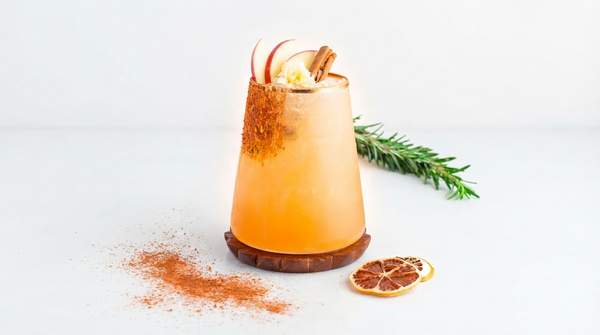
Forget the sudden switch from mojitos to mulled wine; a Fall Margarita, blending tequila with apple cider and cinnamon, proves summer's spirit can gracefully evolve into autumn's embrace. This approach offers home entertainers sophisticated, seasonal drinks that bridge warm-weather refreshment and cooler-weather comfort, challenging the belief that transitional cocktails must be entirely new.
Many assume fall cocktails must be heavy and dark, but the most appealing transitional recipes maintain a refreshing balance while introducing autumnal depth. While fall cocktails often feature rich, warming profiles, according to Familybeer, the inclusion of lime in a Fall Margarita, as noted by Bartendlongisland, highlights the crucial role of subtle acidity. This nuance suggests purely heavy, dark profiles may alienate drinkers who still crave a refreshing balance, even as temperatures drop.
Therefore, hosts mastering these transitional recipes will offer unique, sophisticated drinks, delighting guests and elevating seasonal entertaining.
1. Seamless Sips: Recipes for the Seasonal Bridge
A Fall Margarita, with tequila, lime, orange liqueur, apple cider, and cinnamon, offers a direct path from summer to fall flavors. It's ideal for guests seeking a familiar yet seasonal twist on a classic, though its tequila base may not suit everyone.
The Maple Old Fashioned adapts a spirit-forward classic for cooler evenings, combining bourbon, bitters, and real maple syrup. Bourbon enthusiasts will appreciate its smooth, autumnal touch, but its maple sweetness can be pronounced.
An Apple Buck utilizes Calvados, apple juice, ginger, and lime, providing a crisp yet warming profile. This balanced, spicy drink uses a key September ingredient, though Calvados might be less common in home bars.
The Apple Breeze, made with Zubrowka vodka, cranberry, and apple, offers a crisp, slightly tart option for early fall. Vodka drinkers seeking a light, fruity transition will enjoy this, but it might feel too light for later autumn evenings.
A Smoky Pumpkin Old Fashioned, featuring Hush and Whisper Rye Whiskey, pumpkin spice simple syrup, and aromatic bitters, delivers robust fall flavor. Fans of bold, spiced whiskey cocktails will find its strong autumnal character appealing, though pumpkin spice can be polarizing.
The Apple Hot Toddy, with whiskey, honey, lemon juice, and warm apple cider, captures "the best parts of fall," according to Hush and Whisper. It's a comforting, warm beverage, but less appealing during milder early fall days.
A Spiced Walnut Manhattan, mentioned by Familybeer, offers a unique, nutty twist for Manhattan drinkers. Its distinct autumn flavor profile may require more effort to source or prepare specific ingredients.
These diverse recipes demonstrate that successful transitional cocktails don't require entirely new concepts; rather, they skillfully infuse familiar structures with seasonal ingredients, offering both comfort and novelty.
2. Beyond the Expected: Innovative Ingredients and Bases
| Ingredient/Base | Flavor Profile | Ideal Seasonality | Complexity/Novelty |
|---|---|---|---|
| Raw Beetroot | Earthy, Vegetal, Fresh | Early to Mid-Fall | High; unexpected depth |
| Champagne or Prosecco | Bubbly, Crisp, Adaptable | Early Fall, Celebratory | Medium; versatile base |
| Apple Cider | Sweet, Tart, Fruity | Throughout Fall | Low; classic autumnal staple |
| Maple Syrup | Sweet, Woody, Rich | Mid to Late Fall | Low; common fall sweetener |
Innovative ingredients like beetroot and adaptable bases such as vodka or sparkling wine provide exciting opportunities for unique, seasonally appropriate cocktails. While many fall cocktails aim for "rich, warming profiles," as noted by Bartendlongisland, raw beetroot can introduce a "vegetal note and fresh palate," according to Diffordsguide. This suggests autumnal depth can extend beyond traditional sweet or spicy profiles, embracing experimental, savory, or earthy elements.
The Champagne Cobbler, with Hush and Whisper Vodka, orange liqueur, lime juice, and Champagne or prosecco, showcases sparkling wine as a refreshing base. This creates a lighter, effervescent cocktail, contrasting with heavier spirit-forward autumn drinks. The unexpected use of beetroot further reveals an opportunity for adventurous mixologists and brands to push beyond conventional fall flavors, tapping into a desire for sophisticated, complex, and even savory seasonal drink experiences.
3. Embracing the Full Spectrum of Fall Flavors
From light, spiced concoctions to rich, creamy indulgences, autumn offers a full spectrum of flavors for sophisticated entertaining. While transitional drinks bridge the seasons, fully autumnal options provide deep comfort. The Baltimore Eggnog, for instance, includes Hush and Whisper White Whiskey, heavy cream, simple syrup, and an egg, showcasing a decadent, full-bodied profile.
By Q4 2026, brands like Hush and Whisper will likely see increased demand for adaptable spirits that cater to both light, refreshing and rich, warming seasonal preparations.
4. Your Seasonal Cocktail Questions Answered
What spirits best complement fall flavors?
Beyond whiskey and bourbon, dark rum, apple brandy, and even spiced gin can elevate fall cocktails. Dark rum brings caramel and molasses notes, pairing well with apple or pumpkin, while apple brandy enhances fruit-forward autumnal drinks. Spiced gin offers a botanical complexity that complements cinnamon and clove.
How can I easily batch fall cocktails for a party?
To batch fall cocktails, prepare the base mixture (spirits, liqueurs, syrups, and juices) ahead of time, omitting any sparkling components or fresh garnishes. Store the mixture in a sealed container in the refrigerator for up to 2-3 days. Add carbonated ingredients like sparkling wine or ginger beer, and fresh garnishes, just before serving to maintain effervescence and freshness.
What non-alcoholic options exist for transitional fall drinks?
For non-alcoholic options, consider spiced apple cider, ginger beer mocktails with muddled pear, or non-alcoholic spirits infused with autumnal botanicals. A simple spiced apple cider can be warmed with cinnamon sticks and star anise, while a non-alcoholic gin can mimic the complexity of a regular cocktail when mixed with cranberry and rosemary.