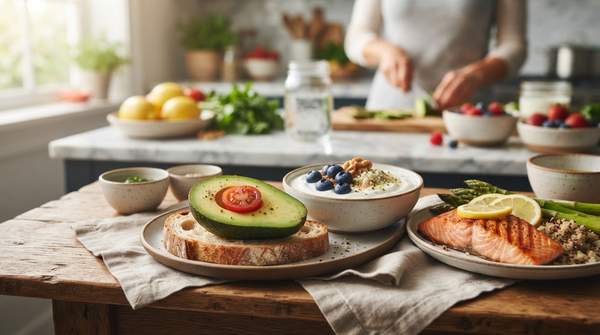
Last year, Ocado Retail saw a 187 percent year-on-year increase in sales of fiber-rich meals. This isn't just a trend; it's a massive consumer shift towards eating for longevity. Younger generations, especially, are driving this surge, placing dietary choices front and center in their quest for a longer, healthier life in 2026.
Yet, this intense focus on diet often blinds individuals to equally powerful cognitive and physical activities. Despite readily available public health data, many zero in on food while critical non-dietary strategies remain dangerously overlooked.
Without a more holistic understanding of lifestyle's impact and better utilization of public health data, many will fall short of their potential for a longer, healthier life.
A significant 64 percent of consumers aged 16-34 prioritize a long-term balanced diet when grocery shopping, reports Grocery Gazette. Add to that the 69 percent who see eating for longevity as key to a healthy diet, and a clear picture emerges: younger shoppers actively want to influence their lifespan through food. This dietary focus, proven by Ocado Retail's 187 percent jump in fiber-rich meal sales and high Gen Z and Millennial nutrient awareness, shows a generation intensely focused on food for longevity. But this sharp focus often overshadows other equally impactful lifestyle components.
Beyond the Plate: The Broader Spectrum of Longevity Habits
Gen Z and Millennial shoppers are nutritionally savvy; 68 percent understand crucial nutrients for long-term health, states Grocery Gazette. Yet, scientific consensus points to consistent physical activity as an equally vital, often overlooked, pillar for comprehensive longevity. Regular movement doesn't just keep you fit; it actively strengthens brain areas vulnerable to Alzheimer's disease, boosting overall brain health and wellbeing, per BBC. The implication is clear: prioritizing diet without integrating consistent physical activity means missing out on a powerful, accessible tool that adds not just years, but quality to your life.