8 Essential Healthy Aging Habits to Adopt After 60

Engaging in just 15 minutes a day of moderate-intensity activity can extend life expectancy by three years, according to The New York Times .

LF
Lauren Fisk

June 10, 2026 · 5 min read

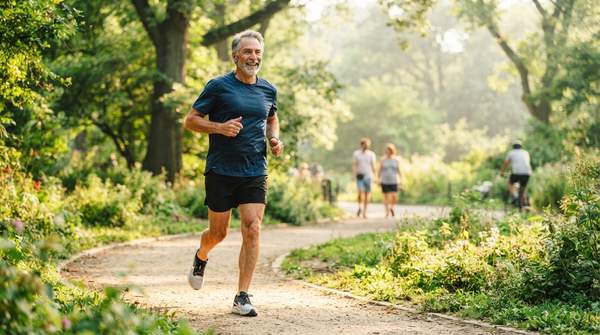
Active and happy seniors in their 60s and 70s engaging in various healthy activities like walking, yoga, and gardening, showcasing vitality and well-being.

Engaging in just 15 minutes a day of moderate-intensity activity can extend life expectancy by three years, according to The New York Times. Many believe cognitive and physical decline are inevitable. Yet, science proves specific habits can significantly delay or prevent these outcomes. The BBC confirms 'Cognitive impairments are not an inevitable part of ageing,' directly challenging this fatalistic view. Embracing proactive physical and mental well-being after 60 isn't just crucial for longevity; it makes robust health a choice, not a genetic lottery.

8 Essential Habits for a Healthier You After 60

1. Strength or Resistance Training

Best for: Preserving muscle mass and functional independence.

Strength training is nonnegotiable for healthy aging, according to The New York Times. Muscle-strengthening activities are recommended at least twice a week. Focus on doing more repetitions at a tolerable level until tired.

Strengths: Crucial for maintaining functional ability and preventing decline | Limitations: Requires proper form to avoid injury | Effort Level: Moderate, twice weekly commitment.

2. Moderate-Intensity Aerobic Activity

Best for: Enhancing cardiovascular health and extending overall life expectancy.

Just 15 minutes of moderate-intensity aerobic activity per day can extend life expectancy by three years, as reported by The New York Times. Regular walks effectively prevent or delay age-related functional decline. Aim for 7,000 steps per day or 150 minutes per week as a minimal recommendation.

Strengths: Significant longevity benefits and disease prevention | Limitations: Consistency is key for sustained results | Effort Level: Accessible, daily commitment.
3. Cognitive Engagement (e.g. Learning New Skills, Socializing)

Best for: Protecting against cognitive decline and enhancing brain health.

Trying something new, like gardening, can enhance cognition and reduce dementia risk, according to the BBC. Education, socializing, work, and leisure activities help build cognitive reserve. Cognitive impairments are not an inevitable part of aging.

Strengths: Directly combats dementia risk and improves mental sharpness | Limitations: Requires actively seeking novel experiences | Effort Level: Varies, depends on chosen activity.

4. Healthy Fats Intake

Best for: Supporting brain function and protecting against neurodegenerative diseases.

Eating polyunsaturated fats, found in fatty fish and walnuts, protects against dementia, reports the BBC. These fats support cellular health and reduce inflammation.

Strengths: Direct link to dementia prevention | Limitations: Requires conscious dietary choices | Effort Level: Moderate, involves meal planning.

5. Balance Training

Best for: Preventing falls and maintaining mobility and independence.

People aged 51 to 75 who could stand on one leg for just 10 seconds showed an improved mortality rate, according to medical research. Yoga can increase walking speed and leg strength, which are predictors for better longevity, as noted by The New York Times.

Strengths: Crucial for fall prevention and functional independence | Limitations: May require initial guidance for proper technique | Effort Level: Low to moderate, can be integrated into daily routines.

6. Adequate Protein Intake

Best for: Maintaining muscle mass and supporting overall physical strength.

Aim for approximately 1.0 to 1.3 grams of protein per kilogram of body weight daily. For a 150-pound person, this translates to about 68-88 grams per day. Consuming three meals with 20 to 30 grams of protein can help meet these daily needs.

Strengths: Essential for preventing sarcopenia and maintaining energy | Limitations: Requires careful dietary planning | Effort Level: Moderate, involves meal choices.

7. Adopting a Mediterranean Diet

Best for: Comprehensive nutritional support and overall health improvement.

The Mediterranean Diet is ranked No. 1 for weight loss and overall health, offering a balanced approach to eating. This diet emphasizes fruits, vegetables, whole grains, legumes, nuts, olive oil, and lean proteins.

Strengths: Broad health benefits, including cardiovascular and cognitive support | Limitations: May require significant dietary habit changes | Effort Level: Moderate to high, depending on current diet.

8. Practicing Yoga

Best for: Improving flexibility, strength, and balance, fostering mental calm.

Yoga combines physical postures with breathing exercises and meditation. It builds flexibility, core strength, and mental focus, adapting to all fitness levels.

Strengths: Multi-faceted benefits for physical and mental well-being | Limitations: Requires consistency and proper instruction | Effort Level: Moderate, can be adapted to all fitness levels.

Global Aspirations vs. Local Realities in Healthy Aging

InitiativeGoalsImplementation EvidenceChallenge
WHO Global Strategy and Action Plan for Ageing and Health (2016–2020) and its successor plans (2020–2030)Establish a global framework for healthy aging and promote active aging.Policy formulation and international guidelines.Significant disconnect between global policy and local application.
Active Ageing Frameworks in Developing CountriesPractical, equitable application of healthy aging principles in diverse contexts.Little evidence on application, particularly in developing countries, according to pmc.Lack of localized research and practical implementation strategies.

International bodies like the WHO set ambitious goals for healthy aging, but significant disparities exist in implementing these frameworks. Specifically, pmc notes little evidence on applying active aging frameworks in developing countries, despite global policy efforts. This means healthy aging often remains an inaccessible ideal, highlighting a critical need for localized research and practical strategies.

Understanding the Science Behind the Recommendations

These habits aren't just suggestions; they are scientific roadmaps to enhanced longevity. Consistent evidence from The New York Times and the BBC confirms the power of diverse physical and mental habits. This collective research shows age-related decline is not a biological certainty, but a consequence of inaction. Proactive lifestyle interventions offer a potent defense against physical and cognitive deterioration. The New York Times' finding—15 minutes of daily moderate activity adds three years to life—demands a radical shift in our aging narrative: from managing decline to actively pursuing longevity. The BBC's insight that cognitive decline is not inevitable, paired with protective dietary fats and novel activities like gardening, proves a holistic approach to brain health can make mental sharpness a lifelong pursuit.

Your Path to Extended Vitality

If individuals consistently adopt these evidence-backed strategies, a future where robust health and mental acuity extend well beyond traditional expectations appears increasingly likely.

Common Questions About Healthy Aging

What are the best exercises for seniors?

Beyond strength training, moderate cardio, and yoga, incorporating swimming provides excellent full-body, low-impact benefits. Water buoyancy reduces stress on joints, making it ideal for individuals with arthritis or mobility challenges while still building endurance and muscle tone.

How can I improve my memory after 60?

In addition to learning new skills and socializing, consistently achieving adequate sleep is crucial. Aim for 7-9 hours of quality sleep per night, as this period is essential for memory consolidation and cognitive repair, directly impacting your daily mental sharpness.

What are the top nutrition tips for healthy aging?

While healthy fats and a Mediterranean diet are vital, ensuring proper hydration is equally important. Consuming at least eight glasses of water daily supports all bodily functions, including nutrient absorption, circulation, and cognitive function, which are critical for optimal health after 60.