A guided 28-day "detox" intervention increased superoxide, a marker of oxidative stress, by 23%, according to PubMed. This suggests commercial detox methods actively compromise cellular health. While the human body possesses highly efficient natural detoxification mechanisms—with kidneys, liver, skin, and lungs handling the process for healthy individuals—a pervasive and often harmful commercial detox industry thrives on public misunderstanding, as reported by The Guardian. Consumers face risks like electrolyte imbalances and muscle breakdown from these products, according to MDAnderson. Without clearer scientific communication, consumers will likely continue to waste money and risk their health on unnecessary detox products.
The Body's True Detox Powerhouses
The body's detoxification systems are complex and highly evolved. Plasmapheresis, for instance, removes contaminants like heavy metals, but it is a medical intervention reserved for specific health conditions, not general "detoxification," according to The Guardian. The liver, a primary detox organ, faces significant challenges; metabolic dysfunction-associated steatotic liver disease (MASLD) is now the leading cause of cirrhosis in the U.S. surpassing hepatitis C and alcohol overuse, reports MDAnderson. The critical role of the liver in managing the body's toxic load is further complicated by individual variability in enzymes like CYP450, which affect toxin response, according to PMC. True detoxification is a continuous, medically complex function, not a consumer product, a reality demonstrated by these intricate biological processes.
The Detox Industry's Information Overload
The online discourse surrounding detoxification is vast, totaling 167,177 tokens, yet corrective messages debunking detox myths constitute less than 10% of this corpus, according to PubMed. Scientific facts are drowned out by pro-detox messaging due to this severe imbalance, creating an echo chamber that hinders informed health decisions. Consumers are overwhelmingly exposed to commercial claims, not scientific clarity.

How 'Toxins' Became a Marketing Buzzword
The term 'toxin(s)' is constantly renegotiated in online discourse. Alternative medicine advocates use it to justify detox treatments, while scientists criticize it as pseudoscientific, according to PubMed. Deliberate linguistic ambiguity blurs the lines between science and pseudoscience, making it difficult for consumers to discern truth. The commercial detox industry thrives on this confusion, not just public ignorance.
Supporting Your Body's Natural Detoxification
Given the persistent misinformation and the measurable health risks from commercial detox products, consumers must prioritize evidence-based practices. The body's natural detoxification systems are sophisticated; supporting them means focusing on established healthy habits: balanced nutrition, adequate hydration, and regular physical activity. Public health communication faces the challenge of cutting through the pervasive pro-detox narrative to provide clear, scientifically backed guidance, making critical evaluation of health claims essential.
Common Detox Questions, Answered
How does the liver detoxify the body naturally?
The liver employs a continuous, two-phase detoxification process. Phase I enzymes, such as cytochrome P450, modify toxins. Phase II enzymes then conjugate these substances, rendering them water-soluble for excretion. This intricate system operates constantly, not in periodic "cleanses."
Can you really detox your body in 24 hours?
No scientific evidence supports a rapid 24-hour body detox. The liver and kidneys continuously process and eliminate waste. Claims of quick detoxes lack scientific backing and often involve unhealthy practices.
What foods help the body detoxify?
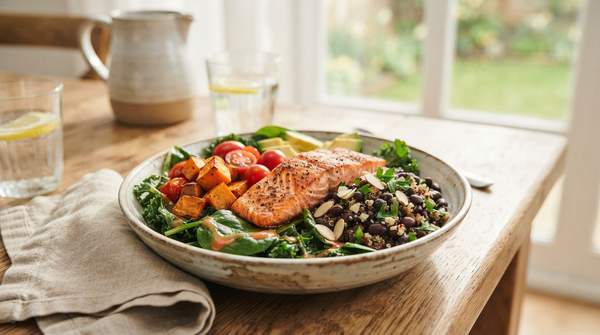
No specific foods "detoxify" the body commercially. However, certain foods support the natural functions of the liver and kidneys. Cruciferous vegetables like broccoli and kale, along with antioxidant-rich foods such as berries and leafy greens, aid these essential processes. Adequate fiber and hydration are also crucial.
Companies selling 'detox' products actively compromise consumer health, as evidenced by a 23% increase in oxidative stress from a guided intervention (PubMed). By late 2026, increased public awareness and regulatory scrutiny could challenge the unchecked proliferation of these products, though consumers must remain vigilant.