By 2030, one in six people globally will be aged 60 or over, a demographic shift reported by the World Health Organization (WHO). This growing need for strategies to support health and vitality in later life highlights that while aging is natural, the quality of later years is not predetermined. A healthy diet is a cornerstone, preventing non-communicable diseases, improving physical and mental capacity, and maintaining brain function as people age.
Aging discussions now prioritize "healthspan"—the period of life spent in good health, free from chronic diseases and disabilities. This focus drives initiatives like the UN Decade of Healthy Ageing (2021–2030), which aims to foster longer, healthier lives. Nutrition is a powerful tool for building resilience, preserving independence, and promoting a high quality of life, not merely for weight management. Understanding changing nutritional needs and adopting appropriate dietary patterns is thus one of the most impactful investments for future well-being.
What Are Comprehensive Nutrition Strategies for Healthy Aging?
Healthy aging requires proactive, evidence-based nutrition strategies designed to meet older adults' evolving physiological needs, maintaining functional ability and preventing chronic disease. This is not restrictive dieting, but a holistic philosophy centered on consuming a wide variety of nutrient-dense foods—rich in vitamins, minerals, and beneficial compounds with relatively few calories. The aging body requires high-quality nutrition to maintain its complex systems.
Aging involves a gradual accumulation of molecular and cellular damage, decreasing physical and mental capacity. The WHO states a central goal of healthy aging is preserving functional ability—the capacity to do what we value, from daily activities like dressing and cooking to engaging in hobbies and community life. A well-formulated nutritional strategy directly supports this goal. Key components include:
- Nutrient Density: Prioritize foods offering maximum nutritional value per calorie: leafy greens, colorful fruits, lean proteins, whole grains.
- Dietary Patterns: Adopt balanced eating patterns, like the Mediterranean diet. Research shows overall diet quality is more impactful than single nutrients or restrictive rules.
- Specific Nutrient Needs: Address increased age-related needs for calcium (bone health), vitamin B12 (nerve function), and protein (muscle maintenance).
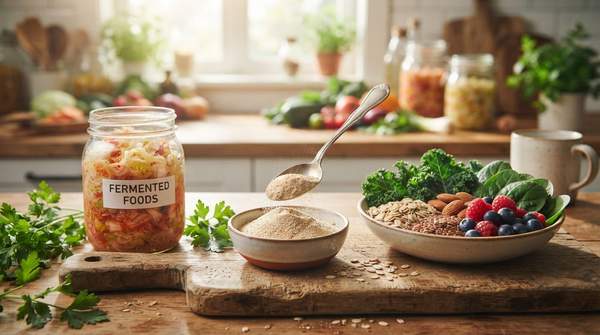
- Gut Health: Include fiber-rich foods to support a healthy gut microbiome, crucial for immunity, inflammation, and mood.
- Hydration: Ensure adequate fluid intake; thirst sensation diminishes with age, increasing dehydration risk.
While these strategies are not one-size-fits-all—individual needs vary by health status, activity level, and genetics—their underlying principles provide a robust framework for informed food choices supporting long-term health and independence.
Essential Nutrients and Foods for Older Adults
With age, nutritional requirements shift: calorie needs may decrease due to slower metabolism and less physical activity, yet the need for certain vitamins and minerals often increases. Focusing on specific nutrient-rich foods is essential to address these changes and mitigate common age-related health issues.
One of the most critical nutrients for adults over 60 is calcium. It is fundamental for maintaining bone density and preventing osteoporosis, a condition that causes bones to become weak and brittle, significantly increasing the risk of fractures. According to experts at Johns Hopkins Medicine, the daily recommended amount of calcium to help prevent osteoporosis is 1,300 milligrams for older adults. While dairy products are a well-known source, many other foods are excellent options, which is particularly helpful as lactose intolerance can increase with age. Good sources include:
- Sardines (325 milligrams per serving)
- Salmon (181 milligrams per serving)
- Spinach (146 milligrams per serving)
- White beans (96 milligrams per serving)
- Bok choy (79 milligrams per serving)
Healthy fats are another crucial component of a diet for healthy aging. Fats are often misunderstood, but beneficial monounsaturated and polyunsaturated fats are vital. They play a key role in the absorption of fat-soluble vitamins (A, D, E, and K), support brain health, and help reduce inflammation. These fats are found in foods like avocados, nuts, seeds, olive oil, and fatty fish such as salmon and mackerel. For individuals over 50, Johns Hopkins Medicine recommends a well-balanced eating plan like the Mediterranean diet, which is rich in these healthy fats, over restrictive low-carb, high-protein diets.
The power of overall dietary patterns cannot be overstated. A landmark study published in Nature Medicine followed 105,015 participants for over 30 years and found that higher adherence to several healthy dietary patterns was strongly associated with greater odds of healthy aging. The research suggests that patterns rich in plant-based foods, with moderate inclusion of healthy animal-based foods, can significantly enhance one's chances of aging well. This underscores the need to look beyond single nutrients and focus on the synergy of a whole-foods-based diet.
How Nutrition Helps Maintain Independence After 60
Maintaining independence—the ability to live safely and comfortably in their own homes and communities—is a primary goal for many older adults. Nutrition powerfully determines this outcome, directly influencing physical strength, cognitive function, and resilience against disease.
A high-quality diet provides formidable defense against chronic, non-communicable diseases. Research identifies diet as the leading behavioral risk factor for disease and mortality globally; in the United States, it ranks second only to tobacco use among older adults. Long-term dietary habits heavily influence conditions like heart disease, type 2 diabetes, and certain cancers. By adopting an eating pattern rich in fruits, vegetables, whole grains, and lean proteins, older adults can manage blood pressure, control blood sugar, and reduce harmful inflammation, lowering their risk of debilitating conditions that threaten independence.
Nutrition is critical for maintaining physical capacity. Sarcopenia—the age-related loss of muscle mass and strength—is a major cause of frailty and falls. Adequate protein intake, distributed throughout the day and paired with regular physical activity, is essential to preserve muscle tissue vital for mobility, balance, and daily tasks. Sufficient calcium and vitamin D are similarly indispensable for preserving skeletal structure.
Diet is intrinsically linked to cognitive health. Specific nutrients, such as omega-3 fatty acids (found in fish), antioxidants (in berries and leafy greens), and B vitamins (in whole grains and legumes), support cognitive processes and may reduce the risk of age-related cognitive decline. By nourishing the brain, a healthy diet helps preserve memory, focus, and decision-making abilities, all fundamental to living independently.
Why These Dietary Principles Matter
While genetics play a role in health, the WHO notes that most variations in older people's health are attributed to their physical and social environments and personal characteristics—including diet. Adopting these dietary principles provides a tangible, daily practice that profoundly influences long-term health outcomes. This approach shifts the narrative of aging from inevitable decline to proactive empowerment, demonstrating that our choices have a powerful impact.
The real-world impact of nutrition is deeply personal. For an individual, it can mean the difference between managing multiple chronic conditions in later years and having the energy to travel, play with grandchildren, or pursue a lifelong hobby. It also means a lower risk of falls and fractures that can lead to hospitalization and a loss of autonomy, and maintaining the cognitive sharpness to manage one's own affairs and stay socially engaged.
This proactive approach helps build what experts call "intrinsic capacity"—the combination of an individual's physical and mental capacities. A nutrient-dense diet builds this capacity, creating a reserve of health that makes a person more resilient in the face of stress or illness. This ultimately paves the way for a more vibrant, engaged, and independent future.
Frequently Asked Questions
What is the best diet for someone over 60?
There is no single "best" diet, as individual needs vary. However, research strongly supports dietary patterns over specific diets. The Mediterranean diet is frequently recommended because it emphasizes whole foods like fruits, vegetables, nuts, whole grains, and fish, while limiting processed foods and red meat. The key is to focus on a balanced, nutrient-dense eating pattern that you can sustain long-term.
Why is calcium so important for healthy aging?
Calcium is crucial for maintaining bone density. As people age, bone loss accelerates, increasing the risk of osteoporosis and fractures, which can be life-altering events. The body's ability to absorb calcium can also decrease with age. Consuming adequate calcium through diet helps to slow bone loss, keeping the skeleton strong and reducing the risk of debilitating injuries.
Do I need to avoid all fats after 60?
No, it is a misconception that all fats are unhealthy. Healthy monounsaturated and polyunsaturated fats, found in sources like olive oil, avocados, nuts, and fatty fish, are essential for health. They aid in the absorption of critical vitamins, support brain function, and help reduce inflammation. The focus should be on replacing unhealthy saturated and trans fats with these beneficial fats.
Can diet alone guarantee healthy aging?
While diet is a cornerstone of healthy aging, it is one part of a larger lifestyle. Regular physical activity, maintaining social connections, getting adequate sleep, and refraining from tobacco use are also critically important. The WHO emphasizes that most health outcomes in older age are due to a combination of personal characteristics and environmental factors, so a holistic approach is most effective.
The Bottom Line
A proactive and informed approach to nutrition is a fundamental strategy for promoting healthy aging and maintaining independence after 60. By focusing on nutrient-dense foods, adopting balanced dietary patterns like the Mediterranean diet, and meeting specific needs for nutrients like calcium, older adults can significantly reduce their risk of chronic disease and preserve their physical and cognitive function. This underscores a powerful truth: the food choices we make every day are a direct investment in a longer, healthier, and more vibrant life.