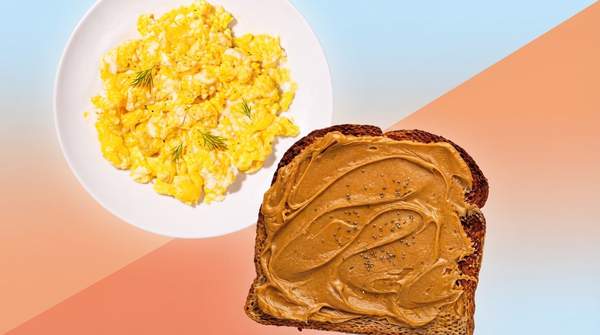
In a groundbreaking discovery, specific human gut bacteria metabolize immunodominant peanut allergens, potentially modulating severe allergic reactions. This intricate biological process, detailed in a Nature study, suggests the gut microbiome holds a key to actively treating severe food allergies, moving beyond traditional avoidance. Such findings reveal the potential for highly targeted, precision nutrition, revolutionizing health interventions.
Current public health dietary advice, however, often remains generic and largely ineffective, failing to address the complexities of individual biological responses according to NCBI. This 'one-size-fits-all' approach proves inadequate against chronic diseases, which demand more individualized and impactful interventions. Precision nutrition offers a path forward, though it remains in its early, complex stages.
Based on the emerging science of gut microbiota and individual responses, companies and healthcare providers will increasingly seek to leverage microbiome data for dietary recommendations, though widespread, equitable implementation will require overcoming significant research and data diversity challenges.
Beyond 'One-Size-Fits-All': What is Precision Nutrition?
Precision nutrition represents a more ambitious scientific endeavor than personalized nutrition, demanding greater certainty regarding the complex relationships among an individual, their food consumption, and their phenotype according to NCBI. While personalized nutrition might offer general dietary modifications based on broad categories, precision nutrition seeks to understand the exact biological mechanisms at play. For instance, the ability of human microbiota bacteria to metabolize immunodominant peanut allergens is a specific, measurable interaction. This level of detail moves beyond generic advice, seeking exact dietary interventions that produce predictable health outcomes for an individual.
Precision nutrition aims to transcend broad recommendations that fail to account for individual genetic, lifestyle, and microbiome variations. Achieving this demands rigorous scientific validation for each proposed dietary intervention. The slow integration of complex microbiome insights into actionable precision nutrition means current approaches are knowingly failing to address the global burden of chronic diseases, despite the scientific tools now becoming available.

The Gut's Hidden Influence: How Microbes Shape Our Health
Over 34,000 people across two continents participated in a study analyzing five large-scale metagenomic cohorts, paired with dietary data and health markers. This research identified microbiome species associated with health and diet quality according to Nature. This extensive work establishes the gut microbiome's pivotal role in human health. It shows how specific foods directly impact the composition and function of these microbial communities. The analysis revealed distinct patterns linking dietary habits to the prevalence of certain gut bacteria, which correlate with various health indicators.
Understanding these intricate connections forms the scientific basis for microbiome-driven dietary interventions. The study revealed that while a massive scientific effort maps the microbiome's role, this mapping primarily identifies correlations. A significant gap remains between understanding these associations and developing actionable, precise interventions. The complexity of these relationships demands greater scientific certainty before widespread application of precision nutrition can occur.
The Roadblocks to True Precision
Genetic data informing precision health approaches are often derived primarily from people of European ancestry, hindering their effectiveness in other populations according to NCBI. This bias creates a significant barrier to equitable and effective application of precision nutrition across diverse groups. While generic dietary advice is failing globally, the promise of precision nutrition remains an inaccessible luxury for vast populations due to this inherent data limitation. This creates a critical equity gap in health innovation, inadvertently leading to a new form of 'one-size-fits-some' health guidance.
Developing truly precise nutritional strategies requires comprehensive data from a global cross-section of humanity. Without this diversity, interventions tailored for one group may prove ineffective or even detrimental for another. The current reliance on non-diverse genetic data limits the transformative potential of precision nutrition, preventing it from reaching its full, equitable impact on public health.
Why This Matters: A Global Health Imperative
The escalating global burden of chronic diseases urgently demands effective nutritional strategies. Current public health approaches, largely 'one-size-fits-all,' consistently fall short. Precision nutrition offers a critical pathway to more impactful public health interventions, moving beyond generic recommendations to address the specific biological needs that drive disease progression. Precision nutrition fundamentally re-evaluates how public health can genuinely improve population health.
This targeted approach can more effectively prevent and manage conditions poorly controlled by general dietary guidelines. The implications extend to public health initiatives, enabling a more impactful combat against chronic diseases worldwide. Precision nutrition thus offers a strategic advantage, moving beyond mere management to proactive, individualized prevention.
Your Questions Answered: Navigating Personalized Nutrition
How does the gut microbiome affect personalized nutrition?
The gut microbiome influences how individuals metabolize nutrients, respond to medications, and are susceptible to certain diseases. Personalized nutrition leverages this by analyzing the unique bacterial composition in a person's gut, allowing for dietary recommendations that optimize nutrient absorption and beneficial microbial activity. For example, certain bacteria produce short-chain fatty acids that impact metabolism.
What are food microbe pairings for gut health?
Food microbe pairings involve identifying specific foods or dietary patterns that either promote the growth of beneficial gut bacteria or inhibit harmful ones. This can include recommending particular prebiotics (fibers that feed beneficial microbes) or probiotics (live microorganisms) based on an individual's unique gut profile. Some research focuses on how certain plant compounds interact with specific bacterial strains to produce health-promoting metabolites.
Can personalized nutrition change your gut microbiome?
Yes, personalized nutrition can significantly alter your gut microbiome composition and function. Dietary changes, especially those sustained over time, directly impact which microbial species thrive in the gut. For instance, increasing intake of diverse plant-based foods can foster a more diverse and resilient microbiome, leading to measurable changes in microbial populations within weeks. For more, see our Foods With More Potassium Than.
The Future of Food: Tailored for You
By 2026, continued advancements in genomic and metagenomic sequencing will likely make detailed microbiome analysis more accessible, empowering individuals with dietary guidance tailored to their unique biology. This shift will foster more effective and equitable health solutions globally, potentially disrupting the multi-billion dollar allergy management market by moving towards root-cause intervention rather than mere symptom control.