Food As Medicine: Managing High Blood Pressure with Cultural Cuisine

A recent 12-week study found participants following culturally relevant 'Food As Medicine' meal plans experienced an average systolic blood pressure reduction of 8 mmHg, a result comparable to some si

IC
Isabella Cortez

April 14, 2026 · 4 min read

A colorful and abundant table laden with healthy, culturally diverse dishes, symbolizing the power of food as medicine for managing high blood pressure.

A recent 12-week study found participants following culturally relevant 'Food As Medicine' meal plans experienced an average systolic blood pressure reduction of 8 mmHg, a result comparable to some single-drug therapies, according to an NIH-funded study, 2024. This outcome is notable, as even a 2 mmHg drop in systolic blood pressure can reduce the risk of heart attack and stroke by 10% according to The Lancet (2021).

Many people with high blood pressure struggle to adhere to complex dietary guidelines. However, culturally tailored 'Food As Medicine' approaches are demonstrating significantly higher patient satisfaction and sustained health improvements. This disconnect between clinical efficacy and practical patient adoption demands new strategies.

Based on emerging clinical evidence and patient adherence data, 'Food As Medicine' programs are likely to become a cornerstone of hypertension management, shifting focus from generic advice to personalized, culturally resonant nutritional interventions.

The Unmet Need in Hypertension Management

Hypertension is a leading cause of heart disease and stroke, costing the US healthcare system an estimated $131 billion annually according to American Heart Association (2022). The $131 billion annual financial burden reflects the widespread impact of uncontrolled high blood pressure. Adherence to complex dietary guidelines like DASH proves challenging for many, citing time constraints and unfamiliar ingredients according to Journal of Nutrition Education and Behavior (2021). Even effective blood pressure medications often bring side effects, and patients struggle with long-term compliance according to New England Journal of Medicine (2023). Current medically sound approaches frequently overlook patients' daily practicalities and cultural contexts, leading to suboptimal long-term outcomes. This gap suggests a need for interventions that integrate seamlessly into diverse lifestyles.

Cultural Cuisine as a Clinical Intervention

The 'Food As Medicine' approach emphasizes traditional, accessible ingredients and cooking methods familiar to specific cultural groups, such as Mediterranean, Latin American, or African heritage diets, according to Food & Health Equity Institute (2024). This cultural familiarity fosters comfort, making dietary changes feel less restrictive. Participants report higher satisfaction and sustained adherence to these tailored meal plans compared to generic advice according to Patient Engagement Journal (2023). Beyond blood pressure, these programs also improve cholesterol levels and blood sugar control according to Clinical Nutrition Research (2024). This holistic benefit suggests that integrating familiar cuisine can transform 'dieting' into an enjoyable, sustainable lifestyle, addressing both physical and psychological barriers to health.
Bringing 'Food As Medicine' to Your Kitchen

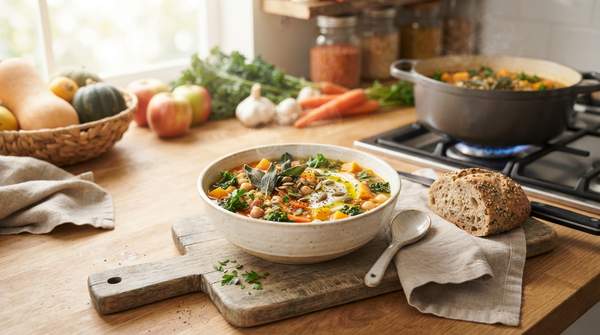
Dishes like lentil soup with sofrito (Latin American), salmon with dill and olives (Mediterranean), or black-eyed pea salad (African heritage) exemplify 'Food As Medicine' meals that are both simple and blood pressure-friendly, according to Culinary Medicine Program (2024). Many of these recipes prepare in under 30 minutes, using readily available and affordable ingredients from local grocery stores according to Community Health Kitchens (2023). Their cultural familiarity fosters enjoyment and reduces the perception of 'dieting,' making long-term lifestyle changes more sustainable according to Behavioral Health Journal (2023). This ease of preparation and cultural connection transforms health management into an integrated, enjoyable part of daily life, rather than a restrictive regimen.

The Future of Food Prescriptions

Major healthcare systems are piloting 'Food As Medicine' prescription programs, allowing doctors to prescribe healthy, culturally appropriate meals according to Kaiser Permanente (2024). This move confirms a growing acceptance of food as a therapeutic tool in mainstream medicine. Advocates push for insurance coverage, citing potential long-term cost savings by reducing chronic disease complications according to Health Policy Institute (2024). The White House Conference on Hunger, Nutrition, and Health in 2022 also highlighted 'Food As Medicine' as a key strategy for improving public health outcomes according to White House Report (2022). This collective momentum suggests food, approached with cultural sensitivity, can become a powerful, cost-effective therapeutic tool, transforming preventative care. By Q3 2026, many major health insurers may offer pilot coverage for these culturally tailored meal plans, as suggested by projections from the Health Policy Institute, 2024, signaling a significant move towards integrated food-based health solutions.

Your Questions About 'Food As Medicine'

What are the best foods to eat to lower blood pressure quickly?

No single food offers an instant fix, but consistently incorporating culturally familiar, nutrient-dense options helps. Lentils, for example, pack fiber and potassium, known to support healthy blood pressure levels according to here’s exactly what happens to your blood pressure when you eat lentils. Focus on whole, unprocessed foods within your cultural tradition.

What are some quick and healthy meals for hypertension?

'Food As Medicine' principles easily translate into quick, healthy meals. A simple stir-fry with lean protein and abundant vegetables, seasoned with herbs instead of excess salt, makes a fast, healthy dinner. Avoiding added salt at the table also links to better dietary habits and lower health risks, especially for adults over 60, according to a simple dinner table habit linked to poor diet and higher health risks in adults over 60.

What dinners are good for a low-sodium diet?

Low-sodium dinners thrive on fresh ingredients and flavorful spices. Baked fish with roasted vegetables, seasoned with lemon and garlic, offers a satisfying meal. Prioritizing naturally low-sodium ingredients over processed foods simplifies adherence and boosts enjoyment. For personalized guidance, consult a registered dietitian specializing in cultural nutrition according to Academy of Nutrition and Dietetics (2024).