Wellness

China Bars Mix Herbal Remedies into Prescription Cocktails

Bars across China's major cities are now offering 'prescription cocktails,' a novel concept blending traditional Chinese herbal remedies with modern mixology. This emerging trend offers a unique wellness-oriented nightlife experience, attracting a new generation of health-conscious consumers.

CB
Chloe Bennett

April 3, 2026 · 6 min read

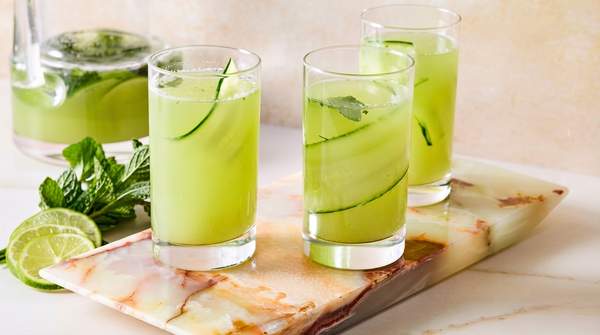
A skilled bartender in a chic Chinese bar meticulously preparing a 'prescription cocktail' infused with traditional herbal remedies, surrounded by elegant bottles and a warm, inviting ambiance.

Bars across China's major cities are now offering 'prescription cocktails,' a novel concept blending traditional Chinese herbal remedies with the art of modern mixology. This emerging trend offers a unique wellness-oriented nightlife experience, attracting a new generation of health-conscious consumers looking for balance in their social lives. It represents a fascinating intersection of ancient tradition and contemporary culture, where the wisdom of herbal medicine is shaken, stirred, and served in a cocktail glass.

This development matters because it signals a significant cultural shift, particularly among younger Chinese demographics. You might see it as part of a larger movement where wellness is no longer confined to spas or yoga studios but is being integrated into every facet of life, including nightlife. The immediate consequence is the creation of a new niche in the hospitality market—one that caters to the desire for both social connection and self-care. This fusion, often dubbed 'punk wellness,' challenges the conventional idea that a night out must be an act of pure indulgence, suggesting instead that it can also be a restorative and personalized experience.

What We Know So Far

  • Bars in China's first-tier cities are creating and serving 'prescription cocktails' that infuse spirits with ingredients drawn from Traditional Chinese Medicine (TCM).
  • The trend is reportedly gaining significant popularity among young people in China, who are seeking new ways to socialize while remaining mindful of their well-being, according to the South China Morning Post.
  • This phenomenon is widely seen as part of a broader cultural movement known as 'punk wellness,' which combines a proactive approach to health with a modern, often rebellious, lifestyle.
  • According to a report from NDTV, the trend has been growing in popularity since late last year and is beginning to spread from major metropolitan hubs to other urban areas across the country.
  • Some of these establishments, described as TCM bars, offer a highly personalized service where bartenders may take a customer's pulse to help craft a bespoke herbal cocktail, as reported by Insight Trends World.


What are prescription cocktails and their ingredients?

At its core, a 'prescription cocktail' is a thoughtfully crafted beverage that marries the complexity of modern mixology with the ancient principles of Traditional Chinese Medicine. Instead of relying solely on conventional bitters and syrups for flavor, these drinks incorporate a wide array of herbs, roots, and botanicals, each chosen for its purported wellness properties. Think of it as a functional beverage taken to a sophisticated new level, where the goal is not just to create a delicious drink, but to offer a sense of balance and restoration. You’re not just ordering a cocktail; you’re engaging with a tradition that has been thousands of years in the making, reinterpreted for the modern palate.

The ingredients are as diverse as the traditions they come from. For example, NDTV reports on specific creations that highlight this blend of flavor and function. At Joychic Bar in Nanjing, one might find the 'Meng Po Soup.' This gin-based drink is infused with a blend of bitter herbs, including wormwood, violet, and wild ginger flowers. In Chinese folklore, Meng Po's soup is said to make souls forget their past lives before reincarnation. The cocktail version plays on this theme, offering a symbolic elixir to help you process and move on from memories of past relationships. It’s a powerful example of how storytelling and tradition can be bottled into a unique sensory experience.

Another popular example cited in reports is the 'Night Hercules Soup.' This drink features a base of bourbon mixed with potent ingredients like mountain lotus root, goji berries, and eucommia bark. The recipe is said to be inspired by a medical text from the Song Dynasty (960-1279 AD). Each ingredient is chosen for a specific purpose; in this case, the blend is believed to help strengthen the liver and boost overall energy. These cocktails are not medicinal cures, but they represent a mindful approach to drinking, where every component is selected with intention and a nod to its historical use in promoting well-being.

Traditional Chinese medicine meets modern mixology in China

The rise of the China prescription cocktails herbal remedies mixology trend is more than just a novelty; it’s a reflection of the 'punk wellness' movement taking root among the country's youth. This ethos is about rejecting the all-or-nothing approach to health. It champions the idea that you can stay out late with friends and still make choices that align with your wellness goals. It’s a rebellion against the idea that self-care requires quiet solitude, suggesting instead that it can be a communal and enjoyable activity. These TCM bars have become the physical embodiment of this philosophy, creating spaces where social life and holistic health are not mutually exclusive.

The experience inside these bars is often as unique as the drinks themselves. Reports describe bartenders who, dressed in clinical-style white coats, do more than just mix drinks. They act as modern-day apothecaries, engaging you in a brief consultation. This can involve checking your pulse and asking about your recent lifestyle—your sleep patterns, your stress levels, your energy. Based on this interaction, they craft a personalized cocktail designed to help bring a little more balance to your system. This process transforms the simple act of ordering a drink into a collaborative and mindful ritual, making you an active participant in the creation of your own wellness experience.

This trend also speaks to a broader desire to reconnect with and modernize cultural heritage. For a generation that has grown up in a rapidly globalizing world, there is a powerful pull toward practices that feel authentic and rooted in history. By taking the ancient, and sometimes intimidating, concepts of TCM and placing them in the familiar, approachable context of a cocktail bar, this trend makes traditional wisdom accessible. It allows you to explore centuries-old herbal knowledge in a way that feels relevant and exciting, bridging the gap between past and present. It’s a creative reimagining of tradition, ensuring its wisdom continues to resonate with a new audience.

What Happens Next

As this trend continues to capture the public's imagination, the primary question is one of scalability and sustainability. Having gained a strong foothold in China's first-tier cities, the next phase will likely involve its expansion into smaller urban centers, as early reports already suggest. Watching how the concept adapts to different local tastes and markets will be a key indicator of its long-term viability. Will the personalized, consultation-based model be maintained, or will it evolve into a more standardized offering as it grows?

Another critical area to watch will be the regulatory landscape. The fusion of alcohol with ingredients traditionally used for medicinal purposes occupies a grey area that may attract the attention of health and food safety authorities. As these bars become more widespread, questions about ingredient sourcing, dosage, and health claims will inevitably arise. The industry's future development will likely depend on establishing clear guidelines that ensure consumer safety while allowing for creative expression. How operators and regulators navigate this terrain will be crucial for the trend's continued growth.

Finally, the global influence of this movement remains an open question. The core concept—blending local, traditional remedies with modern mixology—is universally adaptable. We may see bartenders in other parts of the world draw inspiration from this trend, looking to their own cultural heritages, whether it's Ayurveda, European herbalism, or Indigenous American plant knowledge, to create their own versions of 'prescription cocktails.' The evolution of this uniquely Chinese trend could very well spark a global conversation about what it means to drink mindfully, paving the way for a new chapter in the story of wellness and hospitality.