Despite a 300% surge in Espresso Martini orders over the last five years, top bartenders still champion the perfectly balanced Negroni or the elegant Daiquiri as true benchmarks of their craft. While the Espresso Martini, a modern 1980s invention, sees significant consumer demand (Toast POS Data, 2023), the Old Fashioned has reigned as the world's best-selling cocktail for nine consecutive years (Drinks International Annual Report, 2023). This divergence reveals a core tension: consumers often chase viral, sweet, or visually appealing drinks, but seasoned professionals prioritize balance, historical depth, and quality ingredients.
As drinkers grow more sophisticated, seeking authentic experiences, classic cocktails championed by skilled bartenders will likely shape global drinking culture, pushing back against fleeting fads. A survey of 500 professional bartenders found 70% believe a well-made classic is more impressive than a poorly executed innovative one (Bartender's Voice Magazine). This reveals a fundamental difference: what consumers order often clashes with what professionals respect for skill and substance.
1. Porn Star Martini
The vodka-based Porn Star Martini has dominated Difford's Guide as the most visited cocktail for 11 consecutive years, proving its sustained real-world prominence. Ideal for celebratory occasions, its sweet, fruity, and visually appealing profile ensures high consumer demand. However, purists often find it overly sweet, and its complex preparation with multiple ingredients, including a prosecco shot, can strain bar efficiency. The Porn Star Martini's enduring popularity shows how visual appeal and a distinct tropical flavor can override complexity for mass appeal, even if it challenges a bartender's craft.
2. Gin Basil Smash
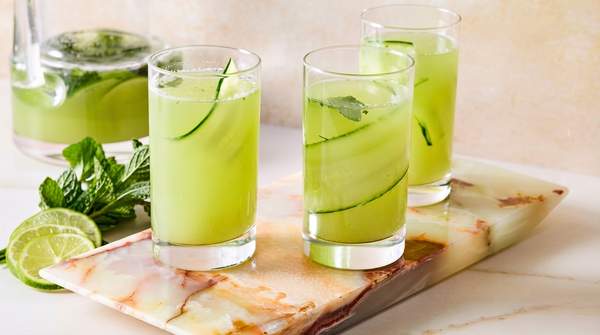
Maintaining its second place on Difford's Guide for three consecutive years (Difford's Guide, 2023), the Gin Basil Smash offers a refreshing, herbaceous, and tart option for gin enthusiasts. It effectively showcases fresh ingredients, but relies heavily on basil quality, which can be perishable and lead to inconsistent flavors. While less known than other classics, its stable top-tier recognition suggests a growing appreciation for fresh, garden-inspired cocktails among discerning drinkers.
3. Vieux Carré
A New Orleans classic, the Vieux Carré has climbed significantly on Difford's Guide, from 27th in 2018 to 5th in 2024 (Difford's Guide, 2024). The Vieux Carré's upward trajectory demonstrates its growing prominence and increasing bartender recommendation among whiskey aficionados who appreciate complex, spirit-forward, and historically rich cocktails. Its deep historical roots and layered profile of rye, cognac, and vermouth are respected for balance and depth, though its high alcohol content and need for premium spirits make it less accessible for newcomers. Its rise suggests a renewed interest in sophisticated, historically significant drinks.
4. Margarita
The Margarita, a tangy and refreshing choice for tequila lovers, remains a global top 10 presence on Difford's Guide, holding 10th place in 2024 after reaching 2nd in 2021 (Difford's Guide, 2024). Its universal appeal and simple profile ensure consistent popularity. However, its quality varies wildly, often suffering from excessive sweetness or artificial mixes. While globally recognized, its susceptibility to poor execution shows the challenge of maintaining standards for widely popular drinks.
5. Mai Tai
A complex, tropical, and potent drink for rum enthusiasts, the Mai Tai shows fluctuating but improving performance on Difford's Guide, reaching 7th in 2023 and 11th in 2024 (Difford's Guide, 2024). Its rich tiki history and rum-forward flavor secure its place among top international cocktails. Yet, its reliance on multiple specific rums and liqueurs, coupled with its potential for high sugar and alcohol content, makes it prone to poor execution with cheap ingredients. The delicate balance between historical authenticity and ingredient quality is crucial in maintaining a classic's integrity.
Beyond the Glass: Comparing Craft, Cost, and Global Reach
| Cocktail | Primary Spirit | Flavor Profile | Complexity of Preparation | Bartender's View |
|---|---|---|---|---|
| Porn Star Martini | Vodka | Sweet, Fruity, Tropical | High (multiple ingredients, prosecco shot) | Popular but often sweet, a challenge to balance |
| Gin Basil Smash | Gin | Fresh, Herbaceous, Tart | Medium (muddling basil) | Respected for freshness, requires good ingredients |
| Vieux Carré | Rye Whiskey, Cognac | Spirit-forward, Complex, Aromatic | Medium (multiple spirits, stirring) | A benchmark of skill, rich historical depth |
| Margarita | Tequila | Tangy, Sweet, Salty | Low to Medium (shaking, fresh lime) | Globally recognized, prone to poor execution |
| Mai Tai | Rum | Complex, Tropical, Potent | High (multiple rums, liqueurs) | A tiki classic, demands quality ingredients for balance |
This comparison reveals that a cocktail's global appeal and ease of preparation do not always align with its perceived quality or bartender preference, often due to ingredient cost or labor intensity. The table shows the disparity between consumer favorites and bartender-respected classics, emphasizing the craft involved beyond simple popularity.
The Future of the Glass: Craft Over Fad
True mixological mastery remains anchored in balance and history, not Instagrammable novelty. While the Espresso Martini surged, professional endorsement of classics like the Negroni and Daiquiri endures. Bars that prioritize viral, sweet cocktails risk sacrificing long-term craft credibility for fleeting social media buzz. Bartenders, often frustrated by overly sweet orders, prefer guiding customers toward balanced flavors (Anonymous Bartender Forum). They advocate for evolving craft within classic frameworks, like using Japanese whisky in an Old Fashioned (Interview with award-winning bartender, Tokyo), prioritizing quality and regional character. This commitment to authenticity suggests a more discerning future for cocktail culture. The Manhattan, for example, is seeing a resurgence among younger drinkers seeking sophisticated alternatives (Whiskey Market Trends, 2024). By Q4 2026, this trend suggests a continued shift towards quality and authenticity in global drink preferences.
Your Cocktail Questions, Answered by the Experts
What are the easiest international cocktails to make at home?
Simple classics like a Gin & Tonic or a Vodka Soda require minimal ingredients and technique. Historically, the Gin & Tonic evolved from medicinal purposes to a recreational drink (Spirits History Journal). These drinks prove that quality hinges on the core spirit and mixer, not complexity.
What makes a cocktail "instagrammable" or visually appealing?
Vibrant colors, elaborate garnishes, unique glassware, and a distinct foamy top drive social media appeal. The Aperol Spritz's 500% sales growth in Europe (EuroMonitor International, 2023) shows how its distinct orange hue and photogenic quality fueled its rise. This often prioritizes aesthetics over complex flavor profiles, shaping consumer trends.
How do bartenders ensure the quality of a classic cocktail?
Bartenders ensure quality through precise measurements, fresh ingredients, and proper chilling and dilution. Artisanal ice, often clear and hand-cut, marks quality in high-end bars (Craft Ice Industry Report). This meticulous attention to detail, from ingredients to presentation, elevates a classic.