US non-alcoholic beer sales surged by 32% in 2025, according to drinksip. This rapid expansion pushed the global non-alcoholic beer market to an estimated $28.5 billion in 2025, with projections reaching $44 billion by 2030. Such substantial growth signals a profound re-evaluation of social drinking habits, particularly among younger consumers seeking options beyond traditional alcohol.
The desire for social drinking experiences remains strong, but a significant portion of consumers, particularly Gen Z, actively reduce their alcohol intake. This tension creates fertile ground for non-alcoholic alternatives like beers, wines, and craft cocktails. The non-alcoholic beverage market is poised for sustained, rapid expansion, moving from niche to mainstream and fundamentally reshaping social consumption habits.
The Sober-Curious Generation Driving the Shift
Gen Z drinks 20% less alcohol per capita than millennials did at the same age, according to drinksip. This demographic shift reshapes beverage choices. A substantial 78% of Gen Z actively 'zebra stripe,' alternating between alcoholic and non-alcoholic drinks, drinksip notes. This deliberate moderation directly challenges traditional drinking patterns.
Based on drinksip's finding that 78% of Gen Z actively 'zebra stripe,' beverage companies that fail to offer compelling, high-quality non-alcoholic alternatives alongside their alcoholic products are misunderstanding and alienating the next generation of consumers.
A Market Poised for Explosive Global Growth
The non-alcoholic beer market is expected to expand from $25.2 billion in 2026 to $52.3 billion by 2036, according to futuremarketinsights. This figure contrasts with drinksip's 2025 valuation of $28.5 billion and 2030 projection of $44 billion, highlighting the inherent variability and estimation challenges in forecasting emerging markets.
Futuremarketinsights anticipates the non-alcoholic beer market will register a 7.7% Compound Annual Growth Rate (CAGR) from 2026 to 2036. This sustained growth confirms a lasting change, not a fleeting trend. The US non-alcoholic beer market's 32% year-over-year surge in 2025 proves the 'sober curious' movement is a powerful economic force. Traditional alcohol brands must pivot, competing for occasions where alcohol is optional, not assumed.
Beyond Beer: The Rise of Sophisticated NA Options
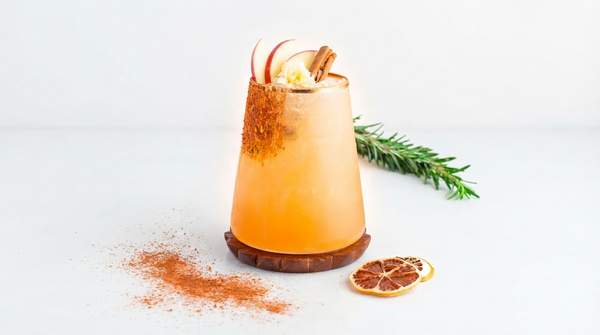
Null Wines offer "100 percent wine, just without the alcohol," states The Kitchn. Null Wines offering "100 percent wine, just without the alcohol" shows the market's evolution toward high-fidelity non-alcoholic versions of traditional beverages. The Kitchn also tested 50 canned nonalcoholic versions of classic cocktails, confirming a growing demand for diverse, ready-to-drink options.
Sophisticated products like Null Wines prove the non-alcoholic market is maturing beyond simple substitutes. The maturing non-alcoholic market, evidenced by sophisticated products like Null Wines, forces producers to innovate in taste and experience, meeting a discerning consumer base that expects quality without compromise, even without the buzz.
Dominant Categories and Emerging Preferences
Lager is projected to lead the non-alcoholic product type segment, holding a 30.0% share in 2026, according to futuremarketinsights. Lager's projected 30.0% share in the non-alcoholic product type segment in 2026 confirms familiar styles still resonate. Even with innovation, consumers often lean towards established categories, suggesting a blend of tradition and novelty drives market expansion. New non-alcoholic options emerge, but consumers clearly value recognizable flavors and styles of conventional beverages.
Top Picks: Navigating the Non-Alcoholic Landscape
Navigating the non-alcoholic market means looking for both established brands and innovative newcomers. Quality options come from producers known for their brewing or winemaking expertise.
For those seeking non-alcoholic beers, look for brands that emphasize traditional brewing methods followed by gentle dealcoholization to retain complex flavors. When choosing wines, consider labels that specify the grape varietal and de-alcoholization process. Craft non-alcoholic cocktails often excel when they feature fresh ingredients and balanced flavor profiles. Sampling a variety of options helps pinpoint favorites across different categories.
Your Non-Alcoholic Questions Answered
What are the best non alcoholic beers to try?
The best non-alcoholic beers often undergo specific dealcoholization processes like vacuum distillation or reverse osmosis. These methods aim to remove alcohol while preserving the beer's original flavor compounds, though some subtle differences in body or aroma can occur due to the absence of ethanol.
What are some good non alcoholic wine options?
Many non-alcoholic wines are crafted from traditional grape varietals specifically chosen for their ability to retain character after dealcoholization. While they capture many of the aromatic and flavor notes of full-strength wines, the mouthfeel and finish may differ slightly without the presence of alcohol.
How to make delicious non alcoholic craft cocktails?
Delicious non-alcoholic craft cocktails frequently utilize premium botanicals, adaptogens, fresh fruit juices, and house-made syrups. Ingredients like ginger, hibiscus, elderflower, or even non-alcoholic spirits designed to mimic gin or whiskey provide depth and complexity without the alcohol.
The Future is Sober-Curious
If current trends persist, the non-alcoholic beverage market appears poised to exceed $44 billion by 2030, fundamentally reshaping social consumption and demanding innovation from all beverage producers.