What if I told you that your genes may only account for about 20% of how long you live? This is a figure suggested by researchers studying the world’s longest-lived people. It points to a powerful truth: the choices we make every day—what we eat, how we move, and who we connect with—are profound determinants of our health and vitality. This brings us to the fascinating concept of blue zones, lifestyle factors for exceptional longevity that offer a blueprint for a longer, healthier life, and a gentler way of being in the world. It’s a topic that speaks directly to our collective desire not just to live longer, but to live better, with more energy, connection, and joy.
In our fast-paced world, the pursuit of wellness can sometimes feel like another item on an endless to-do list. We’re often encouraged to follow rigid diets, intense workout regimens, and complicated self-care routines. But what if the secret to a long and vibrant life wasn’t about adding more, but about simplifying? What if it was about creating an environment around you that naturally encourages healthy habits? The study of Blue Zones invites us to pause and consider this possibility. It shifts the focus from individual willpower to the power of community, environment, and deeply ingrained cultural practices. Let's explore how these remarkable regions can inspire us to cultivate our own pockets of wellness, right where we are.

What Is a Blue Zone?
A Blue Zone is a geographic area where people are reported to live exceptionally long lives, often reaching age 90 or older at higher rates than anywhere else. These are regions where residents not only have a greater lifespan but also a longer "healthspan," meaning they remain active and free of chronic diseases for a larger portion of their lives. The term was first popularized by author and researcher Dan Buettner, who, along with a team of demographers and scientists, identified specific areas of the world with the highest concentrations of centenarians. Think of it like a thriving garden; in these zones, the cultural "soil" is perfectly composed of lifestyle habits that allow people to flourish well into their later years.
The concept isn’t just about a single factor, but a constellation of interconnected habits and environmental influences. Researchers have identified five primary Blue Zones, each with its own unique culture but sharing a core set of common principles. According to a review in the Food and Nutrition Journal, these well-known regions include:
- Okinawa, Japan: Home to some of the world’s longest-living women, Okinawans have a culture rich in social support networks (called moai) and a strong sense of purpose (ikigai). Their diet is traditionally rich in vegetables, sweet potatoes, and soy products.
- Sardinia, Italy (specifically the Ogliastra region): This mountainous area boasts the world's highest concentration of male centenarians. Their longevity is often linked to a pastoral lifestyle that involves daily physical activity, a plant-heavy diet, and incredibly strong family bonds.
- Nicoya Peninsula, Costa Rica: Nicoyans have a strong sense of purpose, or plan de vida, and maintain robust social networks. Their diet is centered around the "three sisters" of Mesoamerican agriculture: squash, corn, and beans. They also benefit from calcium- and magnesium-rich water.
- Ikaria, Greece: On this Aegean island, residents live about eight years longer than Americans and experience lower rates of dementia. Their lifestyle includes daily naps, strong community ties, and a Mediterranean diet rich in olive oil, vegetables, and wild greens.
- Loma Linda, California, USA: This community is unique as it's not a geographic isolate but a concentrated group of Seventh-day Adventists. They live, on average, a decade longer than their fellow Americans. Their longevity is linked to a predominantly vegetarian diet, regular, moderate exercise, and a strong faith-based community.
While each zone is distinct, they all demonstrate that longevity is not a random occurrence. Instead, it appears to be the result of an environment and culture that make the healthy choice the easy choice. It’s a gentle, consistent approach to well-being that is woven into the very fabric of daily life.
The Role of Diet in Blue Zone Longevity
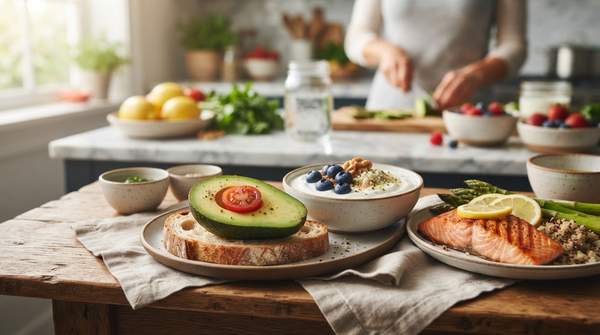
When we look closely at what people in Blue Zones eat, a clear and consistent pattern emerges. Their dietary habits are not about restriction or deprivation; rather, they are centered on abundance, variety, and whole foods. The cornerstone of every Blue Zone diet is its emphasis on plants. This is a confirmed observation across all regions: dietary patterns in Blue Zones are predominantly plant-based, focusing on whole grains, legumes, fruits, and vegetables. I remember when I first tried to shift my own diet to be more plant-forward; it felt daunting. I thought it meant giving up all my favorite foods. But studying the Blue Zone approach helped me reframe it. It wasn't about taking things away, but about adding more delicious, nourishing foods like lentils, black beans, and colorful roasted vegetables to my plate.
According to an article on Healthline, people in Blue Zones typically follow a 95% plant-based diet. This doesn't mean everyone is a strict vegetarian. Meat is often consumed, but it's treated as a celebratory food or a small side dish rather than the main event. The same source notes that meat consumption is often limited to about five times per month. Instead of large cuts of meat, their protein comes primarily from legumes. Beans, including fava, black, soy, and lentils, are a staple in all five zones. They are an excellent source of fiber, protein, and complex carbohydrates, providing sustained energy and supporting a healthy gut microbiome.
Another fascinating dietary principle comes from Okinawa: hara hachi bu. This Confucian-inspired mantra means "eat until you are 80 percent full." As one study in the Food and Nutrition Journal explains, this practice of moderate caloric restriction is a powerful tool for longevity. By stopping before you feel completely full, you naturally consume fewer calories. This can reduce oxidative stress in the body—a process linked to cellular damage and aging. It’s a mindful approach to eating that encourages you to slow down and listen to your body's subtle cues of satiety. Consider this gentle shift: instead of eating until you can't take another bite, try pausing midway through your meal to check in with yourself. You might be surprised to find you're already satisfied.
The foods themselves are also key. Okinawans enjoy purple sweet potatoes, a nutrient-dense food packed with antioxidants. Sardinians drink a specific type of red wine, Cannonau, which has high levels of flavonoids. Nicoyans make their corn tortillas in a way that makes the niacin more available for absorption. These are not "superfoods" in the trendy sense, but simple, locally grown, and time-tested staples that form the foundation of their health. It's a testament to the power of eating whole, unprocessed foods that are in harmony with the local environment.
Community, Purpose, and Movement: The Other Pillars of Longevity
While diet is a critical piece of the puzzle, the blue zones lifestyle factors for exceptional longevity extend far beyond the plate. The true magic of these regions lies in a holistic ecosystem where social connection, a sense of purpose, and natural movement are just as important as food. This integrated approach creates a reinforcing web of healthy behaviors that supports well-being from every angle. It reminds us that we are not just physical beings, but social and spiritual ones, and honoring all aspects of ourselves is essential for a long, fulfilling life.
One of the most striking commonalities is how physical activity is seamlessly woven into daily life. People in Blue Zones don't typically go to the gym, lift weights, or run marathons. Instead, they live in environments that constantly nudge them into moving. As Healthline reports, physical activity is integrated into daily routines through activities like gardening, walking, and manual chores. Sardinian shepherds walk miles a day across rugged terrain. Okinawans tend to their gardens well into old age. Nicoyans often do physical labor around the house. This constant, low-intensity movement keeps their bodies strong, their joints flexible, and their metabolism active without the strain of high-impact exercise. It's a beautiful model for how we can incorporate more movement into our own lives—by choosing to walk to the store, taking the stairs, or spending time in a garden.
Equally important is the profound sense of community and belonging. In Blue Zones, social networks are not a luxury; they are a fundamental part of life. Okinawans have moais, small groups of friends who commit to supporting each other for life. This built-in social safety net provides financial, emotional, and social support through all of life's ups and downs. Having a tribe that you can count on reduces stress and reinforces healthy behaviors. If your friends' idea of a good time is a long walk followed by a healthy meal, you're more likely to adopt those habits yourself. Remember to honor your body's needs, and part of that is recognizing our deep-seated need for connection.
Finally, a sense of purpose is a powerful driver of longevity. The Okinawans call it ikigai and the Nicoyans call it plan de vida, but the concept is the same: having a reason to wake up in the morning. A study from the National Centre for Biotechnology Information highlights that having a clear purpose is one of the nine common lifestyle factors found across Blue Zones. This purpose doesn't have to be a grand, world-changing mission. It can be as simple as wanting to see your grandchildren grow up, tending to your garden, or mastering a craft. This sense of purpose provides a psychological anchor, reducing stress and contributing to a positive outlook on life, which in turn has tangible effects on physical health.
Why Blue Zones Matter for Your Wellness Journey
The lessons from Blue Zones are profoundly personal and deeply empowering. They shift the conversation about health from a model of restriction and discipline to one of joy, connection, and environment. This matters because it offers a more sustainable and compassionate path to well-being. It suggests that you don't need to overhaul your life overnight. Instead, you can focus on making small, incremental changes to your daily environment and routines that will naturally guide you toward healthier choices. It’s about creating your own personal Blue Zone, wherever you live.
The real-world impact of this lifestyle is not just about adding years to your life, but adding life to your years. As researchers from the University of Florida have noted, inhabitants of Blue Zones tend to experience a higher quality of life. They remain active, engaged, and connected to their communities far longer than people in many other parts of the world. This is a crucial distinction. The goal isn't simply to reach 100; it's to arrive there with your health, vitality, and happiness intact. By adopting some of these principles, you are investing in your future self, building a foundation for a life that is not only long but also rich and meaningful.
Perhaps the most liberating insight is the reminder that we have significant agency over our health. The finding that genetics may only account for 20% to 30% of longevity is a powerful call to action. It means that the other 70% to 80% is influenced by lifestyle and environment—factors that are largely within our control. This doesn't mean we can prevent every illness, but it does mean that our daily choices are our most powerful tool for promoting health. Whether it's choosing to eat more beans, calling a friend, or taking a walk after dinner, each action is a vote for a healthier future. It’s a journey of a thousand small steps, taken with intention and self-compassion.
Frequently Asked Questions
What are the 9 common lifestyle factors of Blue Zones?
Researchers, including Dan Buettner, identified nine specific lifestyle habits shared by the people in all five Blue Zones. Often called the "Power 9," these principles are: 1) Move Naturally—engaging in low-intensity physical activity as part of your daily routine. 2) Purpose—knowing your sense of purpose or "why." 3) Downshift—having routines to shed stress, like napping or prayer. 4) 80% Rule—stopping eating when your stomach is 80% full. 5) Plant Slant—eating a diet centered on beans, greens, grains, and other plants. 6) Wine at 5—moderate, regular consumption of wine with friends or food. 7) Right Tribe—belonging to a social circle that supports healthy behaviors. 8) Community—belonging to a faith-based community. 9) Loved Ones First—putting family first, including committing to a life partner and keeping aging parents nearby.
Do I have to become a vegetarian to follow a Blue Zone diet?
No, you do not need to be a strict vegetarian or vegan. The key principle is "plant slant," meaning the diet is predominantly plant-based. People in most Blue Zones eat meat, but they do so sparingly—on average, only about five times per month and in small portions. The focus is on making plants, especially beans, the centerpiece of most meals, with meat used more as a side dish or for special occasions.
Is it just about diet and exercise?
Not at all. While a plant-forward diet and natural movement are foundational, they are only part of the story. The research consistently shows that the "software" of Blue Zone life is just as important as the "hardware." This includes strong social connections, a sense of purpose, stress-reduction rituals, and close family ties. These psychosocial factors create an environment of emotional and mental well-being that is crucial for longevity.
Can I create a "Blue Zone" where I live?
Absolutely. This is one of the most empowering takeaways from the Blue Zone research. While you can't change your geographic location, you can consciously shape your immediate environment and lifestyle to reflect Blue Zone principles. You can start by curating your kitchen to make healthy foods more accessible, finding ways to walk more instead of drive, nurturing your friendships, and taking time to reflect on your purpose. The goal is to make healthy choices the easiest and most natural ones in your daily life.
The Bottom Line
The Blue Zones offer us a powerful and inspiring blueprint for a longer, healthier, and more connected life. They demonstrate that exceptional longevity is not a genetic lottery, but rather the result of a holistic lifestyle where a plant-forward diet, natural movement, strong community, and a sense of purpose are woven into the fabric of daily existence. You don't need to relocate to an island in Greece or a village in Japan to begin reaping these benefits.
Consider this gentle shift: choose one principle that resonates with you today. Perhaps it's adding a cup of beans to your dinner, scheduling a walk with a friend, or taking five minutes to reflect on what gives you purpose. Every small, mindful choice is a step toward building your own personal sanctuary of wellness and vitality.