Healthy Living

What Is Mindful Movement? A Guide to Its Benefits for Physical Health and Stress Reduction

Have you ever finished a workout and realized you can’t remember most of it? Mindful movement connects your mind with your body, turning simple actions into a form of meditation that strengthens you from the inside out.

LF
Lauren Fisk

April 3, 2026 · 8 min read

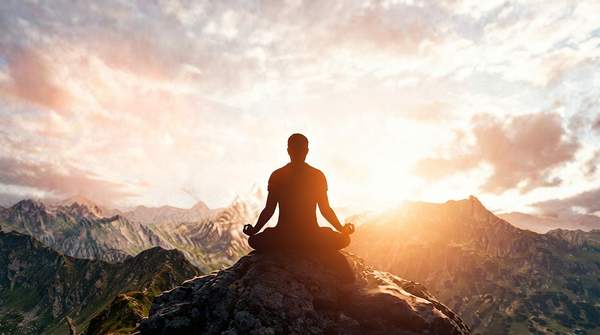
A person gracefully performing mindful movement exercises in a sunlit, serene natural environment, embodying peace, focus, and the connection between mind and body.

Have you ever finished a workout and realized you can’t remember most of it? In our fast-paced world, it’s easy to move on autopilot. But what if paying closer attention to your movement could unlock profound benefits for your physical health and stress reduction? One study found that participants in an eight-week mindful movement program experienced up to a 33% reduction in stress. This powerful practice is about connecting your mind with your body, turning simple actions like walking or stretching into a form of meditation that strengthens you from the inside out. Let's get moving and explore how this approach can transform your well-being.

In an age of constant digital distraction and high-intensity everything, many of us feel disconnected from our own bodies. We push through pain, ignore signs of fatigue, and treat exercise as another task to check off a list. Mindful movement offers a refreshing and effective alternative. It’s not about pushing harder or going faster; it’s about moving with intention and awareness. This practice supports both emotional and physical health, providing a low-impact, accessible way for anyone to reduce stress, improve physical function, and cultivate a deeper sense of inner calm. It’s a chance to slow down and listen to what your body truly needs.

What Is Mindful Movement?

Mindful movement is a low-intensity, intentional practice focusing on breath and body awareness. Think of it like this: you can drive a car on autopilot, barely registering the journey from point A to point B, or you can drive mindfully, feeling the steering wheel in your hands, noticing the hum of the engine, and observing the scenery as it passes. Mindful movement is choosing that second, more engaged approach for your body. It’s about being present in the physical experience of moving, rather than just going through the motions to burn calories or build muscle.

This practice hinges on a few core components that work together to create a holistic experience. It’s not simply about what you do, but how you do it. By integrating these elements, you transform a simple physical act into a powerful mind-body exercise. The focus shifts from external achievement to internal sensation and connection, which is where the real benefits for physical health and stress reduction begin.

  • Intentionality: Every movement is deliberate. Instead of rushing through a stretch, you perform it with a clear purpose, whether that’s to release a specific muscle or simply to explore your range of motion.
  • Body Awareness: This involves tuning into the physical sensations of your body without judgment. You might notice the feeling of your feet on the floor, the expansion of your rib cage as you breathe, or the subtle shift of weight as you change position. This heightened awareness helps you better understand your body's signals.
  • Breath as an Anchor: Your breath is a constant, rhythmic guide. By coordinating your movement with your inhalation and exhalation, you create a calming cadence that helps focus the mind and soothe the nervous system.


Many popular and ancient practices are rooted in these principles. According to the Indian Health Service, common examples include yoga, tai chi, traditional dance, and meditative walking. Each of these disciplines, in its own way, encourages you to move with presence and attention, fostering a stronger connection between your mind and body.

How Mindful Movement Improves Physical Health

While the mental benefits are profound, the positive impact on your physical body is just as significant. By slowing down and paying close attention, you give your body a chance to move more efficiently and safely, leading to a host of health improvements that can enhance your daily life. Mindful exercise can improve muscle strength and posture, increase flexibility and balance, and reduce issues like pain and tension. Your body will thank you for this focused, gentle approach to fitness.

One of the most immediate physical benefits is improved proprioception, or your awareness of your body's position in space. This heightened body awareness means you're more in tune with how you move, which can lead to better posture and alignment. Over time, this can help alleviate chronic pain in areas like the lower back and neck, often caused by poor postural habits. The Indian Health Service also notes that these practices can increase flexibility and balance, which are critical for functional fitness and injury prevention, especially as we age.

Furthermore, mindful movement can have a direct effect on your body's internal systems. The Mayo Clinic explains that these gentle movements can help decrease pain, swelling, and tension. This is partly achieved by increasing circulation, which helps deliver oxygen and nutrients to tissues and can speed wound healing. For example, a simple yoga pose can have a measurable impact. The Indian Health Service suggests that practicing Savasana (Corpse Pose), which involves lying still with focused awareness, for just a few minutes daily can help lower blood pressure by calming the nervous system.

Mindful Movement Practices for Stress Reduction

Mindful movement combines regular exercise and mindfulness, creating a potent practice for calming an anxious mind. Focusing intently on the physical sensations of movement and the rhythm of your breath interrupts repetitive, stressful thoughts, grounding you in the present moment and offering respite from worries about the past or future.

Mindful movements calm the mind and reduce anxiety, as reported by the Mayo Clinic. Research highlighted by Fitness Blender further supports this: participants in an eight-week mindful movement program saw stress levels fall by 33%. This demonstrates how consistent practice creates lasting changes in your brain and body's response to stress.

Walking meditation is one of the most accessible ways to experience these benefits. An article from TODAY.com explains that this practice allows individuals to reap the documented benefits of meditation—such as less stress, lower anxiety levels, and an improved attention span—while also being physically active. To practice it, you simply walk at a natural pace while bringing your full attention to the experience. Focus on the sensation of your feet making contact with the ground, the air on your skin, and the rhythm of your breathing. This simple shift in focus can transform a routine walk into a powerful tool for mental clarity and stress reduction.

Integrating Mindful Movement into Your Daily Routine

Mindful movement is highly accessible, requiring no expensive equipment, gym membership, or hours of free time. The Mayo Clinic states these movements need no special training and suit people of all ages and activity levels. While 20 to 45 minutes is recommended for a full series, even a few minutes of intentional practice can make a difference. Here's how to weave moments of mindfulness into your day.

Bring a mindful approach to simple, routine actions to build body awareness and provide frequent boosts to your mental and physical well-being. Marie Claire UK highlights Tai Chi Walking, a trending workout blending slow, deliberate tai chi movements with walking, as an example that boosts mood and metabolism.

Here are a few practical ways to get started:

  • Start Your Day with a Mindful Stretch. Before you even get out of bed, take three minutes to stretch. Instead of just going through the motions, pay close attention to which muscles you feel engaging. Notice the sensation of release as you breathe into the stretch.
  • Transform Your Commute. If you walk to the bus stop or from your car to the office, use that time for a brief walking meditation. Put your phone in your pocket, and focus on the rhythm of your steps and the feeling of your feet on the pavement.
  • Set a "Desk Reset" Alarm. If you work at a desk, set an alarm to go off once an hour. When it does, stand up and perform a few simple, mindful movements. Roll your shoulders back and down, gently tilt your head from side to side, or do a standing cat-cow stretch. Notice how your body feels before and after.
  • Make Chores a Mindful Practice. Activities like washing dishes, folding laundry, or gardening can become opportunities for mindful movement. Focus on the physical sensations involved—the warmth of the water on your hands, the texture of the fabric, the feeling of the earth in your fingers.

Frequently Asked Questions

How is mindful movement different from a regular workout?

The primary difference lies in intention and awareness. A regular workout often focuses on external goals like lifting a certain weight, running a specific distance, or completing a number of repetitions. Mindful movement, on the other hand, prioritizes the internal experience. The goal is to cultivate a deep awareness of your body and breath as you move, rather than to achieve a specific performance metric. It's about the quality of attention you bring to the movement itself.

Do I need to be flexible or "good at yoga" to practice mindful movement?

Mindful movement is for every body, regardless of fitness level or flexibility. The practice focuses on connecting with your body in the present moment through gentle exploration and self-awareness, not on achieving a perfect pose, pushing limits, or performance. As the Mayo Clinic notes, these practices suit people of all ages and activity levels.

How long does it take to see the benefits of mindful movement?

A few minutes of mindful stretching or walking can leave you feeling calmer and more centered almost immediately. More profound, lasting benefits—such as improved posture, increased strength, and significant stress reduction—develop with consistent practice over time. The study showing a 33% stress reduction observed participants over an eight-week period, suggesting cumulative practice yields the greatest rewards.

Can I do mindful movement if I have a chronic health condition?

Mindful movement's low-intensity and gentle nature often makes it suitable for individuals with chronic health conditions; the Mayo Clinic describes these movements as assisting with physical and emotional healing. However, always consult your doctor, physical therapist, or a qualified professional before beginning any new exercise program, especially with pre-existing health concerns. They can help adapt the practice to your specific needs.

The Bottom Line

Mindful movement is a powerful, accessible practice for uniting mind and body. By focusing on intentional movement, breath, and present-moment awareness, you can unlock substantial benefits for both your physical health and emotional well-being. Start small by incorporating a few minutes of mindful stretching or a short, focused walk into your day to discover the difference it can make.