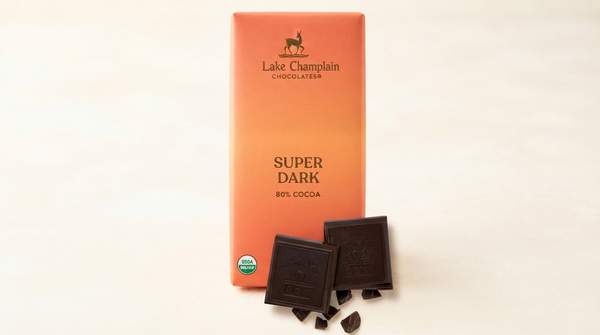
Yes, dark chocolate can genuinely support your health, but only if you choose the right kind and eat it in small amounts. High-quality dark chocolate with a high cocoa percentage delivers plant compounds called polyphenols and flavonoids, which are associated with improved blood pressure, better circulation, and potential benefits for mood and cognition. The catch is that it still carries calories and sugar, so the benefit belongs to the square you savor after dinner, not the bar you finish in one sitting.
The Science Behind Dark Chocolate's Benefits
Dark chocolate's reputation rests on its cocoa solids, which carry the same family of protective compounds found in fruits, vegetables, green tea, and red wine. As dietitian Alex Lynch of Northwestern Medicine puts it, the relationship between chocolate and health comes down to concentration: the higher the cocoa percentage, the greater the amount of antioxidants. That single principle explains why dark chocolate occupies a different category from milk or white chocolate, and why the percentage printed on the label matters more than the word "dark" itself.
It also explains why the benefits are conditional rather than automatic. Writing for ZOE, Alysha Owen notes that cocoa percentages in dark chocolate vary greatly, and that only some dark chocolate, in certain quantities, may have significant benefits. In other words, the compound is the active ingredient, and the bar is merely its delivery vehicle, sometimes a dilute one.
Key Bioactive Compounds and Their Actions
The two compound classes doing the work are polyphenols and flavonoids, broad categories of plant chemicals that behave as antioxidants in the body. Flavonols, a specific type found in cocoa, are the ones most often credited with dark chocolate's cardiovascular effects. Clemson University's Home & Garden Information Center points out that these same flavonols appear in red wine, offering a familiar benchmark: about three-quarters of an ounce of dark chocolate provides roughly the same 400 milligrams of antioxidants as a glass of red wine.
According to Northwestern Medicine, these compounds do three things that matter for your health: they protect cells, they reduce inflammation in ways that support the immune system, and they help the body produce nitric oxide, a molecule that relaxes blood vessels and improves circulation. Interestingly, those flavonoids are also responsible for dark chocolate's slightly bitter taste, so the flavor you might need to acquire is the flavor doing the work.
Impact on Cardiovascular Health
The cardiovascular story follows directly from that nitric oxide pathway. When blood vessels relax, circulation improves and blood pressure is supported, which is why a small portion of high-cocoa chocolate is associated with heart health rather than undermining it. A review comparing dark and white chocolate in the journal Functional Food Science reports a notable correlation between dark chocolate consumption and improved cardiovascular function, attributing it to the abundant flavonoids, which white chocolate lacks.
Clemson's guidance goes further, linking dark chocolate's flavonoids to reduced risk factors for heart disease and stroke, along with potential effects on blood clotting, blood vessel elasticity, and cholesterol. These are associations rather than prescriptions, and the review itself frames them as correlations. Still, the mechanism is coherent: antioxidant compounds, better vessel function, and improved circulation form a plausible chain from compound to outcome.
Cognitive Function and Mood Enhancement
Your brain may benefit through two routes. The first is blood flow: compounds in cocoa are linked with better brain blood flow, which plausibly supports cognitive performance. The second is chemistry: Clemson notes that dark chocolate consumption is associated with mood improvement, including effects related to serotonin and endorphins. "Polyphenols enhance cognitive function and mood as well," Lynch says, tying the brain benefits to the same compounds responsible for the cardiovascular effects.
The Functional Food Science review reports a potential relationship between dark chocolate consumption, increased cognitive performance, and improved mood, with an added note that dark chocolate shows a favorable profile for blood glucose regulation compared with white chocolate. ZOE's reporting adds a caveat worth keeping: some scientists believe more research is needed to confirm several of these claims and to determine how much chocolate you would actually need to eat. Treat the cognitive benefits as promising rather than proven.
Understanding Dark Chocolate's Health Pathways
The table below gathers the evidence into a single model, tracing each element from the compound on the label to the outcome you might notice. Follow each row from left to right to see how a bitter plant chemical becomes a measurable aspect of health, and where the science remains qualified.
| Component or Practice | Mechanism in the Body | Associated Benefit | What the Evidence Supports |
|---|---|---|---|
| Polyphenols and flavonoids | Antioxidant activity; help produce nitric oxide, relaxing blood vessels; reduce inflammation | Improved circulation, healthier blood pressure, cell protection | Associated benefits, attributed to the compounds' antioxidant properties |
| Flavonols (a type of flavonoid) | Effects on blood vessel elasticity and circulation | Cardiovascular support, including reduced risk factors for heart disease | Correlation between consumption and improved cardiovascular function; white chocolate, lacking these compounds, may not offer similar benefits |
| Cocoa polyphenols | Improved brain blood flow; possible influence on serotonin and endorphins | Potential cognitive and mood enhancement | A potential role, with research suggesting benefits; some scientists call for more study |
| High cocoa percentage (70% or more) | Higher concentration of beneficial compounds; generally fewer refined sugars and additives | More of the active compounds per portion | Generally true, though benefits depend on your overall diet and health |
| Moderation | Keeps calorie and sugar intake within a balanced diet | Benefits without offsetting them with excess sugar and fat | Even beneficial foods require mindful consumption; overconsumption can negate benefits |
Choosing High-Quality Dark Chocolate
Your shopping rule is simple: read the cocoa percentage before anything else. Northwestern Medicine recommends choosing dark chocolate with a high cocoa percentage, and the widely cited threshold is 70% or higher, which signals a meaningful concentration of antioxidants along with fiber, minerals, and vitamins, and generally means fewer refined sugars and additives. ZOE's guidance adds a useful qualifier: choose minimally processed dark chocolate, since heavy processing dilutes the very compounds you are buying it for.
Beware of products that trade on the word "dark" while carrying modest cocoa content. White chocolate, which contains none of these flavonoid compounds, is excluded from this conversation entirely, and milk chocolate's benefits are not established by the evidence here. If the percentage is not prominently printed, treat that as information in itself, and check that cocoa appears early in the ingredient list rather than as a supporting player behind sugar.
Responsible Consumption for Health Benefits
Portion control is where enthusiasm most often unravels the science. Clemson's guidance is encouraging on this front: as little as one-third of an ounce can satisfy a chocolate craving without disrupting your diet, and freezing small servings is a practical tactic for controlling portions. ZOE suggests that an ounce or two of good-quality dark chocolate after a meal can fit within a healthy, balanced diet, while Healthline's reporting recommends savoring a square or two after dinner rather than eating the full bar.
The reason for restraint is arithmetic, not puritanism. Dark chocolate remains relatively high in calories and sugar, and as ZOE's Owen cautions, excess sugar and fat can offset the benefits. Clemson is candid that the exact amount for maximum health effect is unknown, so the honest framing is that a small, regular portion is a reasonable way to enjoy the associated benefits without adding a meaningful calorie load to your day.
Making Informed Choices for Health
The decision this evidence supports is to incorporate high-cocoa dark chocolate into a balanced diet in moderation to potentially support cardiovascular and cognitive health, understanding the associations as encouraging rather than as treatment for any condition. None of this constitutes medical advice, and no chocolate replaces a varied diet of fruits, vegetables, and other flavonoid-rich foods.
The measurable indicator to aim for is regular consumption of dark chocolate (70%+ cocoa) within recommended portion sizes as part of a healthy eating pattern. In practice, that means checking the cocoa percentage at the store, keeping servings in the one-third to two-ounce range, and letting the small serving become the habit rather than the exception.
Sources
- Is Eating Dark Chocolate Healthy? — Northwestern Medicine
- 9 Benefits of Dark Chocolate & How Much You Should Eat — ZOE
- When it Comes to Chocolate, Choose Dark — Home & Garden Information Center
- Decoding the Delights — FFHDJ
- Dark Chocolate: Possible Health Benefits — Healthline