Nutrition

A Complete Guide to Plant-Based Proteins: How to Get the Nutrients You Need

A well-planned, plant-rich diet can provide all essential amino acids. Understanding how to navigate plant-based proteins is key to building a healthy and sustainable eating pattern.

RP
Ryan Patel

April 2, 2026 · 8 min read

A beautifully arranged spread of various plant-based protein sources including lentils, quinoa, tofu, nuts, and seeds on a wooden table, symbolizing a complete and healthy plant-rich diet.

Did you know that all dietary proteins are made from the same building blocks? Of the 20 amino acids your body uses to build everything from muscle to enzymes, nine are considered essential and must be obtained from the food you eat. A well-planned, plant-rich diet can provide all of them. Understanding how to navigate the world of plant-based proteins is key to building a healthy and sustainable eating pattern that supports your wellness goals.

Interest in plant-centric eating is growing significantly. According to the International Food Information Council’s 2020 Food & Health Survey, 28% of Americans reported eating more protein from plant sources than they did in the previous year, as noted by UCLA Health. This shift is driven by a range of factors, including personal health, environmental concerns, and ethical considerations. As more people incorporate foods like legumes, grains, and nuts into their diets, it becomes crucial to understand the science behind plant protein to ensure nutritional adequacy and dispel common myths.

What Are Plant-Based Proteins?

Plant-based protein is protein derived from plant sources such as legumes, grains, nuts, seeds, and vegetables. At a molecular level, proteins are complex structures composed of smaller units called amino acids, which are linked together by peptide bonds. Think of amino acids as individual letters of an alphabet; when combined in different sequences, they form words and sentences, which in this case are the various proteins your body needs to function.

The human body utilizes 20 different amino acids to synthesize proteins. These proteins perform a vast array of critical functions, including building and repairing tissues, producing enzymes and hormones, and supporting immune function. Of these 20 amino acids, the body can produce 11 on its own. The remaining nine, however, cannot be synthesized internally and must be consumed through diet. These are known as the essential amino acids (EAAs) and include:

  • Histidine
  • Isoleucine
  • Leucine
  • Lysine
  • Methionine
  • Phenylalanine
  • Threonine
  • Tryptophan
  • Valine

This distinction between essential and non-essential amino acids is the foundation for understanding protein quality. A food source that contains all nine essential amino acids in sufficient quantities is often referred to as a "complete protein." Conversely, a food that is low in or lacks one or more of these essential amino acids is termed an "incomplete protein." While many animal-based proteins are complete, most plant-based proteins are considered incomplete. However, this distinction is often misunderstood and does not mean that plant proteins are inferior.

Understanding Complete Plant Proteins: Amino Acid Profiles

The concept of "incomplete" protein has historically created confusion, leading some to believe that plant-based diets are inherently deficient. The reality is more nuanced. Most plant foods contain all nine essential amino acids, but they may have a low amount of one or two, known as the "limiting amino acid." For example, legumes like beans and lentils are typically lower in the essential amino acid methionine, while grains like rice and wheat are often lower in lysine. This doesn't diminish their value; it simply means that relying on a single plant food for all protein needs would be insufficient.

To provide a more objective measure of a protein's nutritional value, scientists use scoring systems that account for both its amino acid profile and its digestibility. Two such methods mentioned in a study published in the journal Critical Reviews in Food Science and Nutrition are the Protein Digestibility-Corrected Amino Acid Score (PDCAAS) and the more recent Digestible Indispensable Amino Acid Score (DIAAS), referenced by research in Food Science and Biotechnology. These scores help researchers and nutritionists evaluate how efficiently the body can utilize protein from a specific food source. While many plant proteins have slightly lower scores than animal proteins due to factors like fiber content affecting digestibility, their nutritional contribution remains significant.

It's also important to note that several plant-based foods are considered complete proteins, containing all nine essential amino acids in balanced proportions. These include soy products (tofu, tempeh, edamame), quinoa, buckwheat, hemp seeds, and chia seeds. Including these foods in a plant-rich diet can easily help meet essential amino acid requirements. The key takeaway is that the term "incomplete" is a technical descriptor, not a judgment of a food's overall healthfulness or utility in a balanced diet.

How to Combine Plant Foods for Complete Protein Intake

Protein complementation, a simple yet powerful concept, solves the limiting amino acid puzzle. This practice involves combining different plant foods with varying amino acid profiles to collectively create a complete protein profile. By eating a variety of plant protein sources, your body receives an adequate supply of all nine essential amino acids. For instance, grains are lower in lysine but abundant in legumes, while legumes are lower in methionine but present in grains. When eaten together, they perfectly complement each other.

A common misconception is that these complementary proteins must be eaten in the same meal. This idea has been largely debunked by the scientific community. The body maintains a pool of free amino acids that it can draw from as needed to synthesize proteins. Therefore, as long as a variety of plant-based protein sources are consumed throughout the day, the body can assemble complete proteins. According to nutrition experts at Colorado State University, this approach ensures the body’s needs for essential amino acids are met. Classic food pairings that naturally practice protein complementation include:

  • Grains and Legumes: This is a staple combination in cultures worldwide. Examples include rice and beans, lentil soup with whole-wheat bread, or a corn tortilla with black beans.
  • Legumes and Nuts/Seeds: The pairing of chickpeas (a legume) and tahini (sesame seed paste) to make hummus is a perfect example. A salad with chickpeas and sunflower seeds also works well.
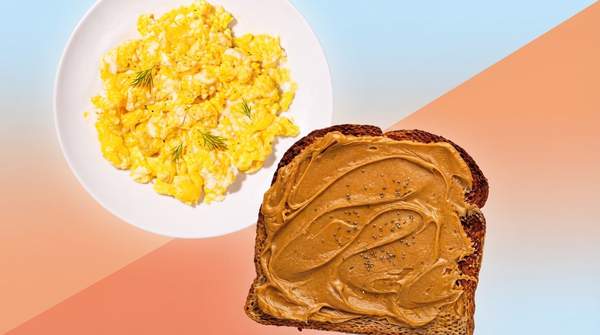
  • Grains and Nuts/Seeds: A simple peanut butter sandwich on whole-grain bread or oatmeal topped with almonds provides a complementary amino acid profile.

Incorporating a diverse range of high-protein plant foods is an effective strategy, as many are nutrient-dense powerhouses. For example, a single cup of firm tofu contains around 24 grams of protein, while a cup of tempeh offers an impressive 34 grams. Even a cup of cooked edamame provides about 18 grams of high-quality, complete protein.

Plant-Based Protein SourceProtein per 1-Cup Serving (Approximate)Amino Acid Profile
Tempeh34 gramsComplete
Tofu (Firm)24 gramsComplete
Edamame (Cooked)18 gramsComplete
Lentils (Cooked)18 gramsLow in Methionine
Chickpeas (Cooked)15 gramsLow in Methionine
Quinoa (Cooked)8 gramsComplete

Essential Micronutrients to Monitor on a Plant-Based Diet

While a well-planned, plant-rich diet can be exceptionally healthy and meet protein requirements, shifting eating patterns requires a holistic view of nutrition. When reducing or eliminating animal products, it is important to be mindful of certain micronutrients that are either less abundant or less bioavailable in plant foods. Focusing solely on protein can lead to overlooking these key nutrients. A thoughtful approach ensures the diet remains balanced and supportive of overall health.

Nutrients that often warrant careful planning on a strictly plant-based diet include vitamin B12, which is not naturally found in plant foods; iron, particularly the non-heme form found in plants which is less readily absorbed than the heme iron from animal sources; calcium, as dairy is a primary source in many Western diets; vitamin D; and omega-3 fatty acids. This is not to say a plant-based diet is deficient, but rather that conscious food choices are necessary. For example, pairing iron-rich plant foods like spinach or lentils with a source of vitamin C, such as bell peppers or citrus fruits, can significantly enhance iron absorption. Fortified foods, like plant-based milks and breakfast cereals, can also play a crucial role in meeting these micronutrient needs.

Why Plant-Based Protein Matters

The choice to incorporate more plant proteins into one's diet carries significant implications for long-term health and environmental sustainability, extending beyond daily nutritional requirements. Research increasingly suggests a strong association between higher consumption of plant-based foods and positive health outcomes. A report from UCLA Health notes that eating fewer animal products and more plant-based proteins is associated with increased longevity and decreased morbidity. It also highlights that plant-based protein may decrease the risk of several chronic diseases.

The environmental impact of our food choices is a major global concern. Plant protein production generally requires fewer natural and economic resources—including land, water, and energy—than obtaining animal protein. As the global population grows, shifting toward more sustainable protein sources is becoming a necessity. Research published in Frontiers in Sustainable Food Systems suggests that plant-based proteins can complement and replace animal proteins, providing a more sustainable way to meet the world's increasing protein demand. This shift could help ease the burden on traditional animal husbandry and fisheries, contributing to a healthier planet.

Frequently Asked Questions

How much protein do I actually need?

The Recommended Dietary Allowance (RDA) for a healthy adult is 0.8 grams of protein per kilogram of body weight. A simpler calculation, provided by UCLA Health, is to multiply your weight in pounds by 0.36 to find your recommended daily grams of protein. For a 150-pound person, this equals about 54 grams of protein per day. It's important to note that this is a baseline, and protein needs can vary based on age, activity level, and health status.

Do I need to combine plant proteins in the same meal?

No, this is a common myth. While it is important to eat a variety of plant protein sources to get all essential amino acids, they do not need to be consumed in the same meal. The body maintains a reserve of amino acids, so as long as you eat a varied diet throughout the day—including foods like legumes, grains, nuts, and seeds—your body will have the building blocks it needs.

Are plant-based protein powders effective?

Yes, plant-based protein powders can be an effective and convenient way to supplement protein intake. Many modern formulations are blends of different plant sources, such as pea, rice, and hemp protein, to create a complete amino acid profile. Research suggests that with the right combination, these supplements can provide a sufficient supply of essential amino acids to support muscle repair and growth, similar to animal-based powders.

The Bottom Line

Consuming adequate protein is essential for health, and a plant-based diet can successfully provide all the necessary building blocks. The key is not to fixate on individual foods being "complete" or "incomplete," but to embrace dietary diversity. By focusing on a wide variety of whole plant foods throughout the day, you can easily meet your protein needs, obtain essential amino acids, and reap the associated benefits for your health and the environment.