You don't need to sit cross-legged for an hour to practice mindfulness; even a five-minute visualization or a mindful walk can significantly reduce daily stress. Many people, however, associate mindfulness solely with formal meditation, creating a barrier to its adoption. Yet, its most impactful benefits come from brief, integrated daily practices, transforming stress reduction into an achievable daily reality. Individuals who embrace these accessible, non-meditative methods are likely to see sustained improvements in mental and physical health. Mindfulness isn't about adding a new chore; it's about reframing existing moments to cultivate presence and replenish energy, according to NewsInHealth.
1. Mindful Physical Activity for Stress Reduction
Best for: Individuals seeking active stress relief and physical health benefits.
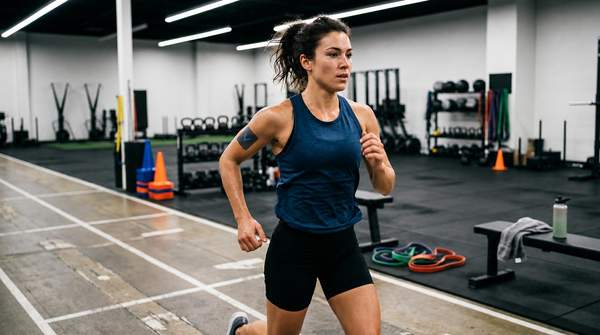
Aerobic exercise two days per week significantly reduces perceived stress, according to Mayo Clinic. This aligns with the Centers for Disease Control and Prevention's recommendation of 150 minutes of moderate-intensity exercise weekly, plus two days of muscle-strengthening activities, as reported by Healthline. Integrating movement with present moment awareness enhances both physical and mental well-being, suggesting that structured exercise can be a powerful, mindful stress-reduction tool.
Strengths: Combines physical and mental benefits; strong evidence for stress reduction; improves cardiovascular health. | Limitations: Requires a baseline level of physical ability; time commitment. | Price: Free to low cost (walking, bodyweight exercises).
2. Spending 10 Minutes in Nature Mindfully
Best for: Anyone needing a quick mental reset and environmental connection.
Just 10 minutes in a natural setting can improve psychological and physiological markers of mental well-being, states Healthline. Short outdoor periods also enhance memory, concentration, and reduce stress, according to Mental Health at Cornell. This suggests that even brief exposure to natural environments offers immediate, tangible benefits for mental clarity and calm.

Strengths: Highly accessible; immediate mood boost; no special equipment needed. | Limitations: Access to nature varies by location; weather dependent. | Price: Free.
3. Mindfulness Integrated into Daily Activities
Best for: Busy individuals who want to weave mindfulness into existing routines.
Mindfulness integrates into everyday activities like walking, eating, or interacting with others, as stated by NewsInHealth. This transforms routine tasks into opportunities for present-moment awareness, reducing the need for dedicated meditation. It helps replenish energy lost to stress without adding new demands, making mindfulness a seamless part of life.
Strengths: No extra time required; highly adaptable; promotes sustained practice. | Limitations: May require conscious effort to initiate; easy to forget. | Price: Free.
4. Mindful Breathing for Immediate Calm
Best for: Individuals seeking quick, on-demand stress reduction.
Mindful breathing offers control over breath pace and depth, notes WillowCreekBH. Even a few minutes daily can build a reserve of inner calm, according to Health. This simple, recognized relaxation method provides instant stress relief and a powerful tool for self-regulation.
Strengths: Instantaneous; can be done anywhere, anytime; requires no equipment. | Limitations: Can be challenging for those with anxiety; effects may be temporary. | Price: Free.
5. Five-Minute Visualization for Stress Coping
Best for: Those who benefit from guided imagery and a structured mental break.
A five-minute visualization serves as a stress coping strategy, states WillowCreekBH. This technique, recognized as a relaxation method by Health, offers a quick mental escape, refocusing the mind from stressors. Its brevity makes it a highly practical daily tool for mental clarity.
Strengths: Quick and effective for mental escape; accessible via audio guides; no physical demands. | Limitations: Requires imagination; some may find it difficult to focus initially. | Price: Free (basic guides) to low cost (apps).
6. Journaling for Emotional Processing
Best for: Individuals who benefit from reflection and structured emotional release.
Journaling, often facilitated by apps like 5 Minute Journal and Day One Journal, helps process thoughts and emotions, moving individuals toward a more mindful state, as noted by WillowCreekBH. This practice provides a tangible way to track progress and identify stress triggers, fostering deeper self-awareness.
Strengths: Promotes self-reflection; can be done digitally or physically; helps identify patterns. | Limitations: Requires consistency; some may find it difficult to start. | Price: Free (notebook) to low cost (apps).
7. Yoga, Tai Chi, and Qigong for Mind-Body Balance
Best for: Those seeking gentle movement combined with mindful awareness.
Yoga, Tai Chi, and Qigong are recognized relaxation techniques, according to Health. These practices combine slow, deliberate movements with breath control and meditation, offering a comprehensive approach to stress reduction. They improve flexibility, balance, and mental clarity, providing holistic well-being.
Strengths: Combines physical and mental benefits; improves flexibility and balance; suitable for various fitness levels. | Limitations: May require instruction; can be time-consuming for full sessions. | Price: Low cost (online videos) to moderate (classes).
The Broad Spectrum of Mindful Benefits
Mindfulness-based treatments reduce anxiety and depression, lower blood pressure, improve sleep, and help people cope with pain, according to NewsInHealth. The evidence-based benefits highlight the comprehensive therapeutic potential of mindful practices across various health dimensions.
| Benefit Category | Specific Impact | Source |
|---|---|---|
| Mental Health | Reduced anxiety and depression | NewsInHealth |
| Cardiovascular Health | Lowered blood pressure | NewsInHealth |
| Sleep Quality | Improved sleep | NewsInHealth |
| Pain Management | Enhanced coping with pain | NewsInHealth |
Understanding Mindfulness's Core Mechanism
Mindfulness helps with depression by grounding individuals in the present and enabling them to 'de-center' from negative thoughts, reports NewsInHealth. This empowers individuals to manage challenging thoughts and emotions through present-moment awareness and cognitive detachment, transforming passive awareness into active empowerment.
NewsInHealth data suggests mindfulness is more than a coping mechanism; it's a foundational skill for proactive self-management. It enables healthier lifestyle choices like improved diet, reduced emotional eating, and increased awareness of positive feelings from physical activity, extending its impact beyond mental well-being to actionable physical health management.
Companies and individuals promoting mindfulness solely through formal meditation overlook its most potent pathway to widespread adoption. Evidence from NewsInHealth and WillowCreekBH demonstrates the profound impact of brief, integrated daily practices. The true barrier to mindfulness isn't time or technique, but the outdated perception that it requires significant dedicated effort. By 2026, widespread adoption of these accessible methods could significantly shift public health outcomes, making sustained well-being more attainable for everyone.