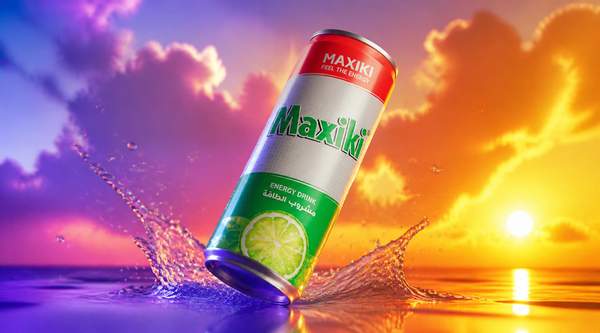
In June 2026, supermarket chains are dedicating 20% more shelf space to functional drinks than traditional sodas, according to Grocery Dive Analytics. The dedication of 20% more shelf space to functional drinks than traditional sodas signals a seismic shift in consumer priorities and a global market projected to reach billions by 2027, according to Grand View Research. Consumer demand for health-enhancing beverages is skyrocketing, but the industry faces increasing scrutiny over the scientific validity and labeling of 'functional' claims, with many emerging products rushed to market. The beverage industry will continue its aggressive pivot towards personalized, scientifically-backed wellness drinks, likely leading to consolidation and stricter regulatory oversight.
The Wellness Wave: Functional Beverages Take Center Stage
The market for functional beverages is exploding. Adaptogens like ashwagandha and reishi mushroom saw a 150% increase in beverage formulations in Q1 2026, according to BevNet Industry Report. The 150% increase in adaptogen beverage formulations directly reflects a consumer willingness to pay more – 60% of them, according to NielsenIQ Consumer Survey – for drinks offering cognitive or immune support. Even giants like PepsiCo and Coca-Cola launched over 15 new functional lines last year, according to Beverage Industry Magazine, demonstrating how deeply this trend has permeated the mainstream.
This rapid expansion, however, is outpacing the industry's ability to scientifically validate claims. The projected 20% increase in functional beverage shelf space by June 2026 creates a ticking time bomb for future regulatory challenges and consumer skepticism, threatening to undermine the very trust driving this growth.
Beyond Health Shots: Innovation Across Drinking Occasions
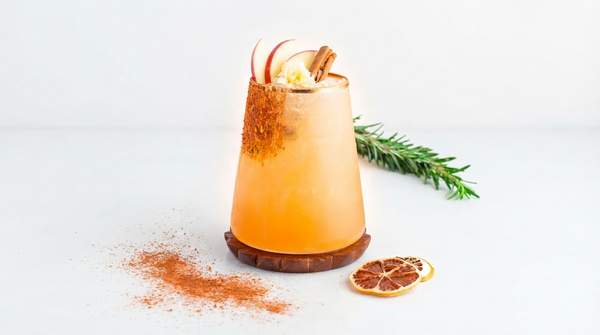
Innovation extends beyond simple health shots, integrating wellness into every drinking moment. Sales of non-alcoholic spirits and ready-to-drink cocktails grew 30% year-over-year, according to IWSR Drinks Market Analysis, signaling a clear shift towards healthier social options. Mixologists now infuse high-end cocktails with exotic botanicals and health-conscious ingredients, according to Tales of the Cocktail Insights, elevating the bar experience.
At home, subscription boxes for premium cocktail ingredients saw a 40% rise in sign-ups, according to Drizly Consumer Data, fueling at-home experimentation. Even more futuristic, startups are gaining traction by offering customized nutrient-infused waters based on DNA or lifestyle data, according to TechCrunch Beverage Watch. This means health is no longer a niche concern; it's a core component of daily hydration, social gatherings, and even hyper-personalized solutions, redefining the entire beverage landscape.