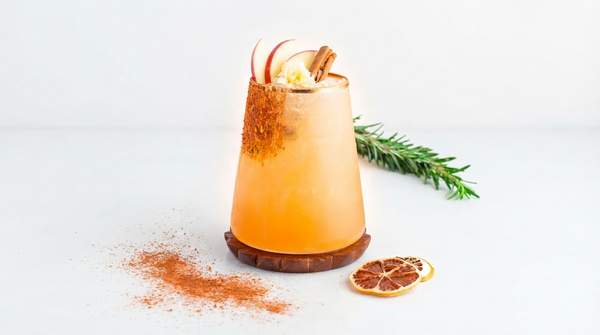
In Q1 2026, spirits-based ready-to-drink cocktails surged by 30% in dollar sales. This happened even as core spirits volumes plummeted by 4.4% and wine by 8.3%. This rapid shift signals a profound change in how consumers choose their beverages, favoring convenience and diverse options over traditional formats. The growing popularity of to-go drinks and ready-to-drink (RTD) cocktails actively reshapes the market, challenging established brands.
Core spirits and wine face significant volume and revenue declines. Yet, the broader beverage alcohol market finds robust growth through the ready-to-drink category. This tension reveals an apparent market health that masks substantial erosion within foundational segments.
The accelerating shift in consumer spending towards convenience and pre-mixed options will likely continue. This forces a widespread industry pivot towards RTD innovation and diversified product portfolios. Companies heavily invested in traditional core spirits and wine now face an existential threat.
Traditional Spirits and Wine Face Steep Declines
Core spirits closed Q1 2026 down 4.4% in volume and 5.7% in revenue on a 12-month basis, according to Fred Minnick. Wine also saw an 8.3% drop in volume and a 5.3% decrease in revenue during the same period. These figures confirm an accelerated downturn in traditional alcohol categories, signaling a deeper structural shift than mere market fluctuation.
U.S. spirits supplier sales decreased by 2.2% in 2025, reaching $36.4 billion, according to Forbes. This earlier data, combined with Minnick's Q1 2026 report, shows the decline in traditional spirits has accelerated significantly. This worsening trend challenges established brands directly, demanding immediate strategic shifts.
The cumulative data paints a stark picture: a shrinking market for traditional alcoholic beverages. This contraction is not merely a slowdown; it signals a fundamental re-evaluation of consumption habits. Brands failing to adapt face an increasingly untenable position.

RTDs Are Eating Into Traditional Spirits Sales
Spirits-based RTDs increased by 30% in dollar sales. They now account for 28% of total spirits volume in the off-premise channel, according to Fred Minnick. This substantial share confirms these convenient formats are not just an alternative, but a foundational component of how spirits are consumed today. This shift fundamentally alters the competitive landscape for traditional bottled spirits.
Nearly half, 44%, of all RTD sales come directly from consumers abandoning traditional spirits, according to The Drinks Business. This confirms a profound and measurable shift in consumer preference, not just market expansion. It means RTDs are cannibalizing established categories, not merely expanding the pie.
The rapid ascent of spirits-based RTDs proves that convenience and immediate consumption are no longer niche preferences. They are dominant market drivers. This trend demands an urgent re-evaluation of product portfolios and distribution strategies for legacy brands, or they risk irrelevance.
The Broader RTD Boom
The overall RTD category grew by 12% in volume and 17% in value from a year ago, according to The Drinks Business. The category's 12% growth in volume and 17% in value from a year ago underscores its increasing appeal across various markets. It also solidifies the shift towards convenient, at-home consumption patterns.
Off-trade volumes grew by 17% since 2024, confirming consistent momentum for ready-to-drink options. This expansion effectively masks severe volume and revenue declines in traditional core spirits and wine. Without RTDs, the broader beverage alcohol market would be in significant contraction.
Consistent double-digit growth across various metrics confirms the RTD category's robust health. This means the industry's overall positive outlook is largely thanks to the RTD segment, not a broad-based recovery. The future of beverage alcohol hinges on this category's continued innovation.
The Future of Premixed Cocktails
Premixed cocktails, including spirits RTDs, generated $3.8 billion in 2025, marking a 16.4% year-over-year increase, according to Forbes. The sustained growth, with premixed cocktails generating $3.8 billion in 2025 and marking a 16.4% year-over-year increase, positions them as a significant force in the beverage market. Consumer demand for convenient, high-quality options remains strong, indicating a long-term shift.
The strong year-over-year growth in premixed cocktails confirms sustained consumer demand. This points to a clear path for further expansion in this convenient format. Brands that capitalize on this desire for effortless enjoyment will capture significant market share.
This dynamic creates a critical inflection point for the entire beverage alcohol industry. The perceived stability of the overall market is a mirage, sustained only by the explosive growth of RTDs. Brands that fail to innovate beyond traditional formats risk not just stagnation, but irrelevance in a rapidly evolving consumer landscape.
The beverage alcohol market appears poised for continued disruption, with traditional categories likely shrinking further as RTD innovation captures an even greater share of consumer spending.