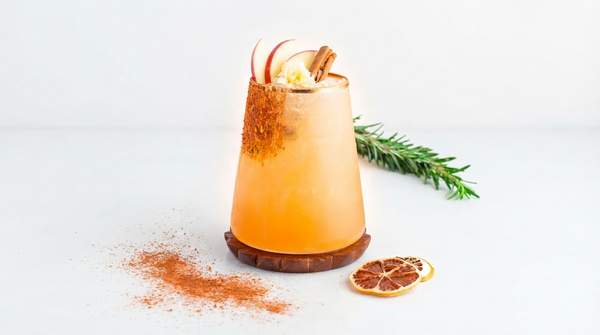
Atelier V in Indore introduced a six-drink, cocktail-first 0% ABV menu, giving zero-proof drinks the same attention as alcoholic ones, according to Outlook Traveller. Dedicated menu development reflects a broader movement within the beverage industry, where non-alcoholic options are no longer afterthoughts. The non-alcoholic beverages industry is growing an estimated 10% in 2024, according to Mintel. Robust growth signals a significant shift in consumer demand for sophisticated zero-proof options, moving beyond simple alternatives to establish a premium, distinct category in its own right.
Nonalcoholic beer, spirits, and wine have experienced increased sales, with a surge in demand observed within the last few years, as reported by WBAL News Radio. A rising tide of interest underscores a fundamental change in how consumers approach their drink choices. US consumers are actively reducing their alcohol intake, with 30% reporting this trend, according to Mintel. However, a crucial insight emerges from this shift: 92% of non-alcohol buyers also purchase alcohol-containing products, indicating that consumers often buy both types of beverages, according to WBAL News Radio. The tension reveals a preference for choice and moderation over total abstinence, rather than a move towards complete teetotalism. Nuanced consumer behavior drives the evolving zero-proof cocktail bar demand within beverage industry trends, pushing for versatility in offerings.
Based on the sustained growth of the non-alcoholic market and evolving consumer preferences for sophisticated options, the integration of premium zero-proof offerings will become a standard expectation in the hospitality industry. The transformation will fundamentally reshape cocktail culture for a new generation of flexible drinkers. Traditional bars are now compelled to innovate their menus and service models or risk becoming obsolete in a market increasingly defined by diverse and high-quality beverage experiences across the alcohol spectrum.
The Shifting Palate: Why Consumers Are Choosing Zero-Proof
- US consumers are actively reducing their alcohol intake, with 30% reporting this trend, according to Mintel.
- 92% of non-alcohol buyers also purchase alcohol-containing products, indicating that consumers often buy both types of beverages, according to WBAL News Radio.
Figures challenge the assumption that the rise of zero-proof options is solely driven by a teetotaler movement. Instead, a larger segment of consumers seeks flexibility and moderation within their existing drinking habits. This group desires sophisticated choices that fit into a balanced lifestyle, allowing them to enjoy social settings without committing to alcohol for every occasion. This preference for choice enables consumers to navigate various social events, from casual meetups to formal dinners, with a full range of appealing beverage options.
The significant 10% growth in the non-alcoholic beverage industry, as noted by Mintel, is not primarily fueled by strict abstinence. It stems from this broader consumer base that values variety and the ability to choose an elevated non-alcoholic drink alongside alcoholic selections. Consumers are increasingly seeking flexibility, variety, and exciting new flavors in their beverage choices. Demand for sophisticated non-alcoholic options that complement, rather than replace, their overall drinking habits. The motivation extends beyond health considerations, encompassing a desire for novel and engaging taste experiences in any social context. Bars and beverage brands are recognizing this hybrid demand, adapting their offerings to cater to a demographic that prioritizes choice and quality in all their beverage experiences, whether alcoholic or not.
Consumer trend reflects a desire for greater personal control over alcohol consumption without sacrificing the social ritual of drinking. The availability of high-quality zero-proof cocktails means that individuals can participate fully in social occasions, enjoying complex flavors and elegant presentations, regardless of their decision to consume alcohol. This empowers consumers to make choices aligned with their personal wellness goals or simply their mood at a given moment, without feeling excluded or limited to sugary sodas.
Mixology Reimagined: The Art of the Zero-Proof Cocktail
Bars are designing complex zero-proof beverages from the ground up, using house-made ferments, shrubs, cordials, tinctures, clarified juices, flavoured airs, and balanced acids, according to Outlook Traveller. This meticulous approach elevates non-alcoholic drinks from simple mocktails to crafted experiences that stand on their own merit. The dedication to intricate ingredients and techniques mirrors the development of premium alcoholic craft cocktails, emphasizing flavor complexity, layered textures, and elegant presentation. This commitment transforms the zero-proof category into a premium offering, akin to traditional cocktails in terms of effort and creativity.
Chersevani uses a vintage 1930s Bastian-Blessing soda fountain to craft new versions of soda counter staples and cocktails, according to Food & Beverage Magazine. Such specialized equipment and innovative methods highlight the significant investment bars are making in their zero-proof programs. This is not merely an accommodation for a niche market; it is a strategic move to attract a broader customer base. The sophisticated techniques and diverse flavor profiles now employed in zero-proof mixology demonstrate a commitment to crafting non-alcoholic drinks that are as complex and appealing as their alcoholic counterparts, offering a full sensory experience.
The investment in complex zero-proof beverages, mirroring the craft cocktail movement, suggests that bars view these offerings as a significant revenue stream and a way to attract consumers who prioritize novel and exciting flavor experiences, regardless of alcohol content. Bars like Atelier V in Indore, by developing sophisticated, house-made zero-proof menus, are not just accommodating a niche. They are strategically positioning themselves at the forefront of a new cocktail culture where sophistication, not ABV, defines the experience. This proactive approach ensures they capture spending from a large segment of flexible drinkers seeking high-quality, non-alcoholic choices.
What is the growth rate of the non-alcoholic beverage market in 2026?
The non-alcoholic beverage industry is projected to grow an estimated 10% in 2024, according to Mintel. While a specific growth rate for 2026 is not provided, the sustained demand surge observed in nonalcoholic beer, spirits, and wine over recent years, as reported by WBAL News Radio, indicates continued robust expansion. The trend points to a market where zero-proof options will increasingly integrate into mainstream beverage offerings, becoming a staple rather than a specialty, driven by ongoing consumer interest in diverse drink choices.
How are zero-proof cocktails impacting traditional bars?
Bars failing to offer premium zero-proof options are missing a crucial opportunity to capture spending from a large segment of flexible drinkers. The significant 10% growth in the non-alcoholic beverage industry, coupled with the fact that 92% of non-alcohol buyers also purchase alcoholic products, highlights this missed revenue potential. Traditional bars must adapt by elevating their non-alcoholic menus to meet evolving consumer preferences for sophisticated, alcohol-free choices, ensuring they remain relevant and competitive in a changing market.
What are the key drivers for the rise in demand for zero-proof options?
A primary driver is the consumer desire for moderation and choice, rather than complete abstinence. While 30% of US consumers are actively reducing their alcohol intake, 92% of non-alcohol buyers still purchase alcoholic products, according to Mintel and WBAL News Radio. This segment seeks sophisticated, crafted experiences that offer complex flavor profiles without alcohol, allowing for flexibility in social settings. The pursuit of new and exciting taste experiences also fuels this demand, encouraging innovation in non-alcoholic mixology.