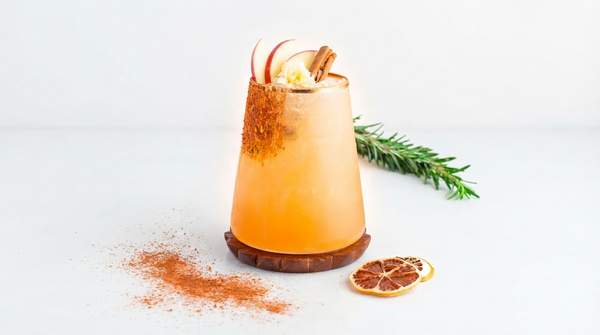
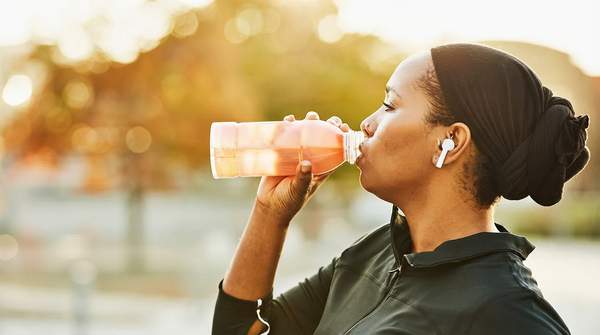
Online sales of low and no-alcohol beverages surged an astonishing 315%, significantly dwarfing the 26% increase observed in traditional alcoholic options. The 315% surge in online sales of low and no-alcohol beverages highlights a rapid evolution in consumer preferences, signaling a burgeoning market for zero-proof craft cocktails and mocktails trends in 2026. The digital realm appears to be a primary accelerator for the zero-proof movement, potentially bypassing traditional distribution channels. Non-alcoholic beverage sales are now nearing the billion-dollar mark, with non-alcoholic spirits alone rising by 15%, according to Nytimes. These figures underscore a profound and rapid transformation in consumer beverage choices, signaling a new era for the industry.
Consumers are increasingly seeking sophisticated beverage experiences, but they are simultaneously reducing or eliminating alcohol from their diets. This creates a tension for the beverage industry: how to deliver complex flavors and social rituals without the alcohol content. The staggering 315% surge in online low/no alcohol sales, compared to a mere 26% for alcoholic options, indicates that digital channels are not just a sales avenue but a primary accelerator for the zero-proof movement, potentially bypassing traditional distribution.
The beverage industry is poised for a significant and sustained transformation, with zero-proof options becoming a mainstream and highly profitable category. This generational rejection of alcohol is forcing traditional beverage giants to rapidly pivot into sophisticated zero-proof options, or risk being outmaneuvered by agile non-alcoholic startups. Traditional alcohol distributors clinging to brick-and-mortar models face measurable risk of being outpaced by digitally native zero-proof brands.
The Demographic Shift Towards Mindful Consumption
A fundamental shift in consumer behavior, particularly among younger demographics, drives the demand for zero-proof beverages. Fifty-nine percent of young Americans between 18 and 34 reported consuming alcohol in recent years, a notable drop from 70 percent in the early 2000s, according to Nytimes. This decline suggests a generational exodus from traditional spirits.
This pattern mirrors trends observed across the Atlantic. Sixty-one percent of U.K. adults aged 18 to 24 plan to reduce or completely stop their alcohol intake, indicating a global movement towards lower alcohol consumption. This significant percentage of young adults reducing or stopping alcohol suggests a permanent cultural shift, not a temporary trend, which will continue to reshape beverage consumption for decades.
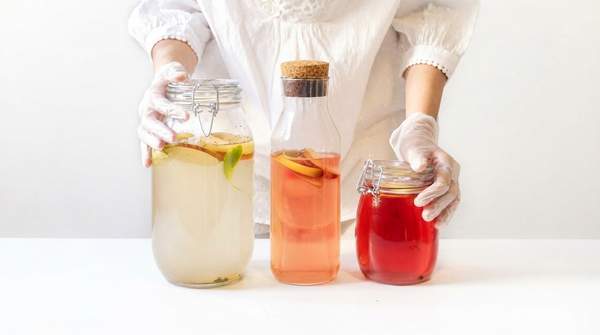
Consumers are not merely reducing alcohol intake; they are actively seeking sophisticated, health-conscious alternatives. This is evident in the rise of non-alcoholic spirits, which saw a 15% growth. Brands like Mixoloshe exemplify this trend by producing non-alcoholic drinks that are low in calories, low in sugar, gluten-free, and made with natural ingredients, according to Innovamarketinsights. This focus on natural and health-conscious ingredients aligns with the broader wellness movement. A significant generational shift towards health-conscious and mindful consumption is directly fueling the demand for high-quality, zero-proof alternatives.
Mainstream Adoption and Innovation Flourish
Molson Coors Beverage Company launched a non-alcoholic cocktail line called Roxie Zero-Proof Cocktails, featuring mango, pineapple, and passionfruit flavors, according to Innovamarketinsights. Molson Coors Beverage Company's launch of a non-alcoholic cocktail line demonstrates how deeply the zero-proof trend impacts even traditional giants, forcing them to innovate within the non-alcoholic space. The entry of Molson Coors into the zero-proof market signals that the non-alcoholic trend is not a niche fad, but a fundamental shift requiring established beverage giants to cannibalize their own market or face irrelevance.
The decision by Molson Coors to enter the non-alcoholic cocktail market is a significant indicator of the category's growth and profitability. This initiative shows a proactive response to changing consumer demands, particularly from younger generations seeking healthier and more diverse options. Such a strategic pivot from a company historically rooted in alcoholic beverages highlights the profound market forces at play.
The most counterintuitive finding is that Molson Coors, a major alcoholic beverage company, has launched a non-alcoholic cocktail line. Molson Coors' launch of a non-alcoholic cocktail line demonstrates how deeply the zero-proof trend is impacting even traditional giants, forcing them to innovate within the non-alcoholic space rather than just new players emerging. This adaptation by established brands validates the commercial viability and long-term potential of sophisticated zero-proof options. The rapid entry and expansion of major beverage corporations confirm the significant and growing commercial opportunity within the zero-proof sector.
The Crafting of a New Beverage Culture
The zero-proof movement extends across all beverage categories, fostering a new culture that emphasizes sophistication and craft. Non-alcoholic wine is rising 7%, while non-alcoholic beer is increasing 6%, according to Beveragedaily. These figures indicate a broad embrace of alcohol-free alternatives beyond just spirits, showcasing a comprehensive shift in consumer preferences. The growth across these diverse segments suggests that consumers desire a full spectrum of non-alcoholic choices for various occasions.
Consumers are not just looking for simple substitutions; they seek complex flavor profiles and premium ingredients reminiscent of traditional craft cocktails. This qualitative shift moves beyond basic non-alcoholic options towards a sophisticated, craft-oriented culture. The development of non-alcoholic spirits, wines, and beers with nuanced tastes and aromas reflects a growing demand for beverages that offer a complete sensory experience without alcohol.
The market is maturing, with a focus on delivering experiences that rival their alcoholic counterparts in complexity and enjoyment. This widespread growth across beer, wine, and spirits alternatives solidifies the idea that zero-proof beverages are becoming an integral part of the overall beverage market. From botanical infusions to sparkling alternatives, the innovation in zero-proof offerings is driven by a desire to provide inclusive and elevated drinking experiences. By Q4 2026, traditional beverage companies like Molson Coors will likely have further expanded their zero-proof portfolios, responding directly to the enduring generational shift away from alcohol.
What are the top non-alcoholic drink trends for 2026?
Top non-alcoholic drink trends for 2026 include a strong focus on complex botanical flavors and functional ingredients like adaptogens and nootropics. There is also a significant rise in premium ready-to-drink (RTD) mocktails, offering convenience without compromising on sophisticated taste. Consumers are exploring unique ingredients such as exotic fruits, spices, and even savory notes in their zero-proof craft cocktails and mocktails.
Are mocktails becoming more popular than cocktails?
While traditional cocktails maintain a strong presence, mocktails and other zero-proof options are experiencing significantly faster growth rates. Online sales of low/no alcohol beverages surged 315%, far outpacing alcoholic options, indicating a strong shift in consumer preference and purchasing habits. This rapid expansion suggests mocktails are gaining substantial ground, driven by health consciousness and a desire for inclusive social experiences.
What are the benefits of zero-proof drinks?
Zero-proof drinks offer several benefits, including improved health outcomes such as better sleep quality and mental clarity, free from the effects of alcohol. They promote social inclusivity, allowing individuals to participate in drinking occasions without consuming alcohol, catering to various lifestyles and dietary choices. These beverages also expand flavor exploration, providing complex and innovative taste experiences that stand independently of alcohol content.