Imagine saving hundreds of dollars a year and drastically cutting your household's food waste, all by simply reorganizing one kitchen cupboard. This small act transforms a chaotic pantry into a well-ordered resource, bringing calm and control to daily meals. It's a path to a mindful kitchen, where every ingredient finds its purpose.
Consumers often believe sustainable eating requires expensive specialty ingredients or complex diets. Yet, the most significant gains come from simple, foundational changes to how they manage existing food. The allure of exotic superfoods often overshadows the powerful impact of accessible, everyday choices.
As awareness of food waste and health impacts grows, pantry-first cooking will likely become a mainstream approach for budget-conscious and environmentally-minded households. This shift prioritizes smart resource management, redefining what it means to eat well and live sustainably.
What is Pantry-First Cooking?
Pantry-first cooking begins with purging and organizing: remove expired, spoiled, or unwanted food. This foundational act, as Doudlah Farms emphasizes, clears the way for intentional meal preparation and smarter grocery shopping. It’s not just about tidiness; it’s about gaining clarity on available resources and actively preventing future waste. Seeing what you truly possess fosters informed decisions, aligning purchases with actual needs and reducing impulse buys.
Beyond Waste: Healthier Habits Start Here
Beyond waste, pantry-first cooking builds healthier habits. Removing highly processed foods from the pantry is crucial for a whole-food, plant-based kitchen, Doudlah Farms states. This deliberate elimination resets dietary defaults, shifting focus from quick convenience to true nourishment. Curating pantry contents ensures nutritious, less processed ingredients are readily available, making balanced, home-cooked meals easier to prepare and maintain.
The Ripple Effect: From Your Kitchen to the Planet
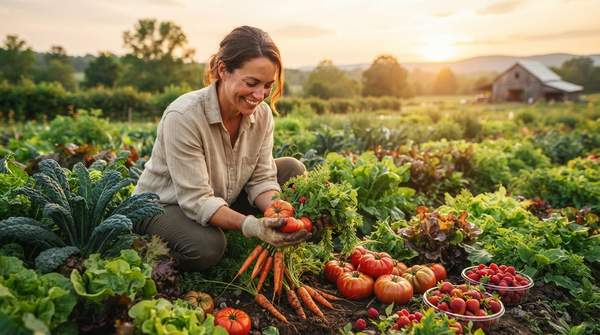
A sustainable pantry reduces food waste, supports local farms, and builds lasting habits for wholesome eating, as Doudlah Farms outlines. This shows how individual kitchen actions contribute to broader environmental and economic well-being. The benefits extend beyond personal health, supporting community resilience. Prioritizing existing stock and thoughtful purchases lessens demand for globally shipped, often over-processed, goods, fostering a deeper connection to food sources and promoting a responsible relationship with the planet.