What Are Regenerative Agriculture's Core Principles and Benefits?

On Dan Cox's farm, a profound transformation has taken root, demonstrating the immediate, tangible benefits of regenerative practices.

IC
Isabella Cortez

May 20, 2026 · 4 min read

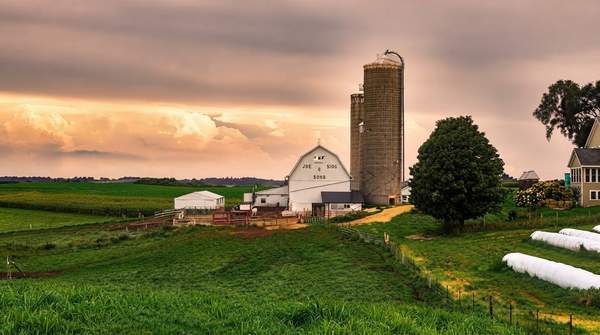
A vibrant farm field showcasing rich soil and healthy crops under golden sunlight, representing the success of regenerative agriculture practices.

On Dan Cox's farm, a profound transformation has taken root, demonstrating the immediate, tangible benefits of regenerative practices. By adopting no-tilling methods, Cox has completely eliminated the need for pesticides and chemical fertilizers, allowing the entire ecosystem to thrive and breathe anew, according to The Guardian. Such methods not only prevent erosion but also cultivate a vibrant microbial life, ensuring robust plant growth.

Yet, the promise of regenerative agriculture, with its clear improvements for soil health and crop nutrition, faces a challenge. The diverse practices and the strategic re-framing of existing concepts can often confuse public understanding, creating a complex narrative around its widespread adoption.

Despite these definitional complexities, the proven ecological and nutritional benefits of core regenerative practices will likely drive their broader acceptance and refinement in mainstream agriculture, shaping the future of food production, according to npj Sustainable Agriculture.

What is Regenerative Agriculture?

Regenerative agriculture fundamentally aims to restore and enhance soil vitality, a goal achieved through several key objectives. These include minimizing tillage, maximizing the duration of growing roots in the soil, and incorporating organic amendments, as outlined by ARS. This approach transcends simple sustainability, seeking to actively improve the land.

The Rodale Institute, for example, articulates seven abstract principles that guide this philosophy: Pluralism, Protection, Purity, Permanence, Peace, Potential, and Progress, according to the Rodale Institute. While these principles offer a high-level vision, they reveal the movement's ambition: a holistic framework for ecological restoration. This contrast between concrete practices and abstract ideals underscores the definitional challenge facing the movement, yet both aim to restore ecological balance. This ambiguity, while fostering broad appeal, can also complicate policy-making and consumer understanding, making clear, actionable definitions crucial for widespread adoption.
The Core Practices: How Regeneration Works

Minimizing soil disturbance helps maintain the soil's intricate structure, which in turn enhances water infiltration and safeguards the delicate network of soil organisms, according to Nature. This foundational practice cultivates a healthier subsurface environment. It essentially allows the soil to function as nature intended, fostering a self-regulating system that requires fewer external inputs.

Cultivating a diverse array of species on a farm can naturally provide defense against pests and diseases, simultaneously improving the overall health of the soil.

Additionally, keeping the soil consistently covered with living plants or their residues acts as a protective shield, preventing it from drying out, eroding from wind, or washing away during rain events. These practices together build a resilient and productive agricultural system. Such integrated methods transform a farm into a thriving ecological unit, capable of withstanding environmental stresses and supporting biodiversity.

Beyond the Buzzword: Understanding the Nuances

The term 'regenerative agriculture' encompasses a broad spectrum of practices, some of which, like permaculture and holistic grazing, are considered niche, according to PMC. This diversity contributes to a complex public understanding of what truly defines regenerative farming.

The renewed interest in regenerative agriculture may also represent a strategic re-framing of existing concepts such as agroecology and sustainable intensification, PMC suggests. While this unification can broaden appeal, it also risks confusing the public debate by consolidating disparate approaches under a single banner, making clear definitions paramount for its future. This re-branding effort, however, also presents an opportunity to galvanize broader support and investment by presenting a unified, aspirational vision for agricultural reform.

The Tangible Benefits: Healthier Soil, Healthier Food

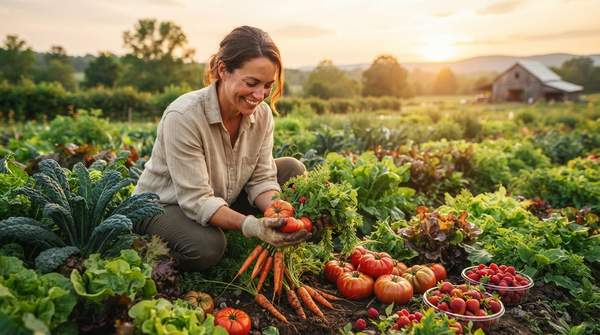
Farms employing regenerative practices, specifically those combining no-till, cover crops, and diverse rotations, produced crops with superior characteristics. These crops exhibited higher soil organic matter levels, improved soil health scores, and increased levels of essential vitamins, minerals, and phytochemicals when compared to conventionally farmed crops, as evidenced by Soil Health and Nutrient Density: Preliminary Comparison of... - PMC. This directly links regenerative methods to enhanced nutritional quality. For consumers, this translates to food that is not only grown sustainably but also offers a richer profile of beneficial compounds, potentially impacting public health on a wider scale.

Common Questions: What About Living Roots?

Why are living roots important for regenerative agriculture?

Maintaining living roots in the soil year-round is crucial because it significantly increases photosynthesis, which in turn pumps vital carbon below ground. This continuous carbon supply feeds and sustains the soil's microbial ecosystem, fostering a healthy and active soil environment, according to Regenerative Agriculture—A Definition and Philosophy - Nature. This process builds soil organic matter and enhances nutrient cycling. Over time, this continuous biological activity transforms degraded land into fertile, carbon-sequestering ecosystems, offering a powerful tool against climate change.

The Path Forward: Key Regenerative Practices

Ultimately, regenerative agriculture is defined by a commitment to specific, interconnected practices that prioritize soil health and ecological balance. These actionable core practices include no-tillage or conservation tillage, the strategic use of cover crops, the integration of perennial crops, and an increased diversity within cropping systems, as defined by ARS. Implementing these methods systematically builds resilient agricultural landscapes. The scalability of these core practices, coupled with their proven benefits, positions them as foundational elements for a more sustainable and productive global food system. For more, see our Sustainable Food Systems Philosophy Needs.

If definitional clarity can be achieved, the proven ecological and nutritional benefits of core regenerative practices, as demonstrated by early adopters like Dan Cox, will likely drive their broader adoption, potentially increasing global yields by 2026, according to npj Sustainable Agriculture.