Approximately 90% of the body's serotonin and 50% of dopamine, crucial neurotransmitters for mood and cognition, are produced in the gut, not the brain, according to healthy. This surprising finding fundamentally reshapes our understanding of where our mental and emotional states truly originate. It opens a new pathway for enhancing overall mental well-being and cognitive function.
We traditionally view the brain as the sole command center for mood and cognition. However, the gut is responsible for producing most of the body's key neurotransmitters and significantly influences mental health outcomes. This tension reveals a fundamental misdirection in how we've traditionally approached mental stability.
Therefore, a holistic approach to mental and cognitive health must integrate gut microbiome care, suggesting that dietary and lifestyle interventions could be as impactful as, or even prerequisite to, traditional psychological or pharmacological treatments.
The Gut-Brain Axis: Your Body's Hidden Communication Network
The gut-brain axis represents a complex, two-way communication system connecting your digestive system to your central nervous system. This network involves neural, endocrine, and immune pathways. For example, specific gut microbiota, including Firmicutes and Bacteroidetes, affect mental health through this axis, according to PMC. This interaction means your gut flora directly impacts how your brain functions, influencing everything from mood to cognitive clarity.
Variations in the microbiome have been studied for their effect on central nervous system (CNS) disorders, including anxiety, depressive disorders, schizophrenia, and autism. When gut microbiota dysbiosis occurs, an imbalance in your gut bacteria, it can be related to mental disorders like anxiety and depression. This intricate communication along the gut-brain axis implies that addressing gut imbalances could offer a novel, foundational approach to managing these complex conditions.
When the Gut Goes Awry: Inflammation and Mental Illness
Gut dysbiosis and inflammation have been linked to causing several mental illnesses, including anxiety and depression, according to PMC. An unhealthy gut can trigger inflammatory responses throughout the body. These responses can then cross the blood-brain barrier, affecting brain chemistry and function.

Chronic inflammation originating in the gut can disrupt brain function, creating a fertile ground for the development and exacerbation of mental health disorders. This makes effective interventions crucial. Compromised sleep quality and quantity, alongside misaligned sleep and circadian rhythms, also increase the risk of chronic diseases, including cognitive impairment, cardiometabolic disorders, and mental disorders, as reported by Nature. Gut-driven inflammation might be a silent contributor to poor sleep, further compounding mental health challenges.
The Gut's Surprising Link to Sleep Quality
Your gut microbiome directly influences your sleep patterns, a finding gaining recognition. A large Dutch population cohort of 6941 individuals participated in a study investigating links between gut microbiome characteristics and various sleep parameters, according to Nature. This research reveals specific microbial communities may promote or hinder restful sleep, suggesting that tailoring gut health could be a personalized strategy for improving sleep.
Within this study, 74.9% of the participants were classified as good sleepers. However, a significant portion, about a quarter, experienced poor (22.4%) or very poor (2.7%) sleep. The data suggests a clear connection between gut health and the prevalence of sleep disturbances. It highlights that the composition and health of our gut microbiome significantly determine sleep quality and patterns. Therefore, overlooking gut health in sleep disorder treatment is a critical oversight, hindering truly holistic and effective mental well-being strategies.
Nourishing Your Gut, Nurturing Your Mind
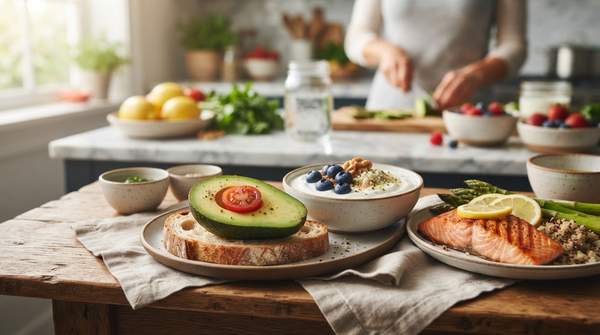
Specific dietary choices directly influence your gut health and, in turn, your mental state. High intakes of vegetables, fruits, and fiber were positively associated with mental health in a population of 502,494 middle-aged adults, according to PMC. This large-scale data confirms the profound impact of whole foods on psychological well-being.
Moreover, a study with 482 participants found that a tryptophan-rich diet was negatively correlated with depression and could improve social cognition. Tryptophan is a precursor to serotonin, directly linking diet to crucial neurotransmitter production in the gut. Similarly, probiotics, live beneficial bacteria, can restore normal microbial balance. They may play a role in the treatment and prevention of anxiety and depression. These simple yet powerful dietary and supplemental interventions offer a practical pathway to improved mental and cognitive function. Dietary changes could be a more accessible and foundational treatment for mental disorders than pharmaceuticals, challenging the current medical hierarchy.
Addressing Common Questions About Gut Health and Mental Well-being
Can probiotics improve cognitive function?
While probiotics directly introduce beneficial bacteria, their metabolic byproducts, known as postbiotics, also contribute significantly. Postbiotics, such as amino acids, glucose, and fatty acids, help fight infections and inflammation, potentially aiding with stress, anxiety, and depression, according to healthy. These compounds can influence brain health and cognitive processes, offering a nuanced approach to improving mental clarity.
The Future of Mental Health: A Gut-Centric Perspective
The profound connection between your gut microbiome and mental health reshapes our understanding of well-being. This paradigm shift means that true mental health innovation will increasingly look beyond the brain, recognizing the gut as a foundational, often overlooked, command center for mood and cognition. Embracing this perspective is not merely beneficial; it is essential for developing truly holistic and effective approaches to mental health.
Based on evidence from healthy showing that 90% of serotonin and 50% of dopamine are produced in the gut, not the brain, companies developing brain-centric mental health solutions are missing the core biological lever for mood and cognition. By Q4 2026, a growing number of wellness brands are expected to launch gut-focused supplements and dietary programs. These initiatives will likely shift the focus towards digestive health as a primary pathway for mood and cognitive stability.