Drinks

Beyond Sobriety: The Non-Alcoholic Beverage Market Demands More Than Just No Alcohol

The non-alcoholic beverage market is rapidly maturing, demanding complex flavor profiles and functional benefits beyond just the absence of alcohol. Brands must innovate to offer sophisticated experiences that rival alcoholic counterparts.

DM
Daniel Moretti

April 5, 2026 · 7 min read

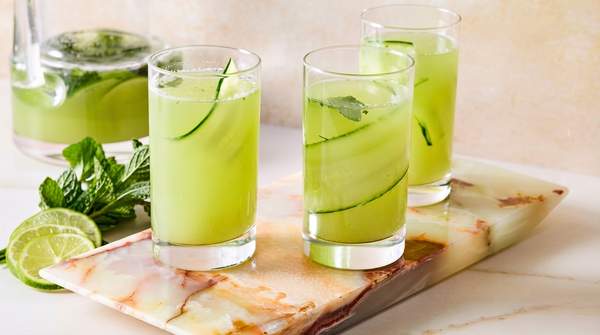
A diverse group of people enjoying beautifully crafted non-alcoholic cocktails in a chic, upscale bar setting, showcasing intricate garnishes and elegant glassware.

The non-alcoholic beverage market has moved past its adolescence; success now hinges on delivering complex profiles and functional benefits, not just the absence of alcohol. To truly compete in this rapidly maturing space, a brand must offer a sophisticated experience that rivals, and in some cases surpasses, its alcoholic counterparts. The era of simply removing the booze is over; the new standard is addition, not subtraction.

The entire beverage industry is experiencing a significant shift. As reported by BevIndustry, 2025 was a challenging year for the spirits market, which faced pressure from inflation, tighter consumer budgets, and a significant behavioral shift toward moderation or abstention. This isn't a fleeting trend; it’s a fundamental realignment of consumer priorities, driven by the "sober curious" movement and a broader focus on wellness. The consumer who seeks a high-end, small-batch gin on Saturday now demands an equally considered, complex non-alcoholic option for a Tuesday evening. Brands that fail to recognize this critical shift from simple substitution to sophisticated alternative face immense stakes.

Beyond Simple Taste: Crafting Complex NA Beverage Profiles

For years, the non-alcoholic category was defined by mimicry. The goal was straightforward: create a beer, wine, or spirit that tasted as close as possible to the real thing, just without the ethanol. While a noble pursuit, it tethered the category's potential to the products it sought to replace. The market is now breaking free from those constraints, venturing into a new territory where unique and complex flavor profiles are the main attraction, not a consolation prize.

The recent agreement by Constellation Brands to acquire Hopwtr is a telling indicator of this market maturation. As reported by FoodDive, Hopwtr is a nonalcoholic sparkling water flavored with hops. It uses the complex, bitter, and aromatic qualities of hops to build a novel beverage experience that stands entirely on its own, rather than creating a beer imitator. One executive noted, "HOPWTR is well positioned to meet the needs of today’s evolving consumer preferences aligned to moderation and betterment." This move signals a pivot from replication to true innovation.
This demand for complexity is also reshaping what consumers expect from a drink's composition. The same consumer driving growth in the ready-to-drink (RTD) cocktail market—seeking flavorful but lower-sugar and lower-carb options—is bringing those expectations to the NA aisle. This forces creators to move beyond simple, sugary syrups and juices. Instead, they are turning to a new toolkit of ingredients: botanicals, adaptogenic herbs, artisanal vinegars, and complex bitters to create layers of flavor. Brands like Dry & Dirty, which recently unveiled a zero-proof, functional martini lineup, understand that the modern consumer wants the ritual and sophistication of a cocktail, complete with intricate flavor notes, without the subsequent headache.

What Functional Benefits Drive Non-Alcoholic Drink Sales?

If a beverage isn't delivering a buzz, the modern consumer is increasingly asking a very practical question: "What is it doing for me?" This has pushed functional benefits from a niche "nice-to-have" to a core pillar of the new non-alcoholic value proposition. Taste is the entry ticket, but function is rapidly becoming the differentiator that builds loyalty and commands a premium price.

Hopwtr doesn't just lean on its unique hop-infused flavor; it strategically differentiates itself with the inclusion of adaptogens and nootropics—ingredients believed to help the body manage stress and support cognitive function, respectively. This dual positioning as both a nonalcoholic and a functional beverage allows it to tap into multiple powerful consumer trends simultaneously.

This trend extends far beyond the realm of relaxation and focus. Look at Oktane, a performance beverage brand from the DMV area. Founded on the principle of providing sustained energy without artificial additives, Oktane recently earned a "Golden Ticket" from KeHe Distributors, a prestigious award that paves the way for national retail expansion. As reported by BevNet, the KeHe Trend Finder program is designed to identify breakthrough brands. The selection of Oktane is a powerful endorsement from the distribution side of the industry, signaling a clear belief that functional, clean-ingredient beverages are poised for major growth. The brand’s co-founder put it succinctly: "Being recognized by KeHe... validates everything we've been building — a performance beverage that doesn't compromise on clean ingredients, taste, or results." This trifecta—clean, tasty, and effective—is the new gold standard.

The Counterargument

One could argue this focus on complexity and function is overcomplicating a simple need, but a robust market for straightforward, refreshing beverages will always exist. The legacy NA beers and simple flavored seltzers aren't disappearing from shelves anytime soon. Their proposition is clear, familiar, and accessible, which holds significant power.

However, while that foundation of the market remains stable, it is not where the explosive growth, industry excitement, and premium pricing are found. The data suggests the most dynamic segment of the market is being driven by these more sophisticated offerings. According to FoodDive, the nonalcoholic segment saw sales increase by 22% in 2025. Similarly, BevIndustry reported that non-alcoholic beer, wine, and spirits surpassed $1.01 billion in off-premise sales, marking a 19.2% increase. This level of growth isn’t sustained by inertia; it’s fueled by newness, innovation, and products that generate genuine buzz (pun intended).

The strongest rebuttal to the "simplicity is king" argument comes from major corporations' strategic moves. A behemoth like Constellation Brands acquires a niche brand like Hopwtr after meticulous market analysis points to a clear and profitable future. Their investment is a definitive statement that the future of the category lies in the very complexity and functionality that defines these new-wave brands.

How is the Non-Alcoholic Market Maturing?

A classic maturation cycle, similar to craft beer, third-wave coffee, and artisanal spirits movements, is playing out in the non-alcoholic market. This market is progressing through distinct phases at an accelerated pace.

Phase one was Substitution, where the primary goal was to create a passable replacement for an alcoholic drink. Phase two was Simple Innovation, characterized by the explosion of flavored seltzers that offered refreshment and variety but little complexity. We are now firmly in Phase three: Sophistication and Function. This phase is defined by products that demand to be judged on their own unique merits, not as a shadow of something else. They offer a complete sensory and, at times, physiological experience.

I can see this shift in my own reporting and personal experience. Just five years ago, asking for a non-alcoholic option at a respected cocktail bar would likely get you a club soda with a wilted lime, served with a faint air of pity. Today, I am frequently handed a dedicated zero-proof menu featuring imaginative concoctions with house-made shrubs, complex bitters, and functional botanicals. This isn't just a change in product availability; it's a profound cultural shift in the hospitality industry, a recognition that all guests deserve a thoughtful, well-crafted beverage experience. This is perfectly captured by an insight from BevIndustry, which noted, "...as consumers drink less often, they’re upgrading to higher-quality spirits when they do indulge, and seeking equally sophisticated non-alcoholic options when they don’t." The NA market is maturing because it has finally started treating its customers with the respect they command in every other category.

What This Means Going Forward

The non-alcoholic space will see accelerating trends, further blurring category lines. The distinction between a "seltzer," a "functional drink," and a "non-alcoholic cocktail" will become less important than the overall quality and benefit offered in the can or bottle.

Expect the wave of acquisitions to continue, with the Constellation-Hopwtr deal serving as a blueprint, not an anomaly. As innovative startups prove market viability, larger corporations will look to buy, not build, to gain a foothold in the fastest-growing segments. This will bring bigger marketing budgets and wider distribution to the most creative brands in the space.

The language we use will evolve: the term "mocktail" feels increasingly dated and diminutive. Brands will champion terms like "zero-proof," "spirit-free," and "functional beverage" to define themselves by what they proudly are, not by what they lack, thus establishing legitimacy and carving out a permanent, respected place in the beverage world.

Finally, the path to market will become more streamlined. The recognition of a brand like Oktane by a major distributor like KeHe demonstrates that the gatekeepers of retail are actively seeking these products. The demand is no longer theoretical; it’s a tangible force reshaping planograms in grocery stores and menus in restaurants nationwide. For any brand hoping to enter this space, the barrier to entry is higher than ever. It's no longer enough to be alcohol-free. The winning formula requires a complex, memorable flavor profile paired with a clear, desirable functional benefit. This is one to watch.