Healthy Eating Habits for Mental Well-being

Nutrition, often seen as a physical health concern, offers a surprising and accessible pathway to prevent a wide range of mental disorders.

RP
Ryan Patel

June 5, 2026 · 4 min read

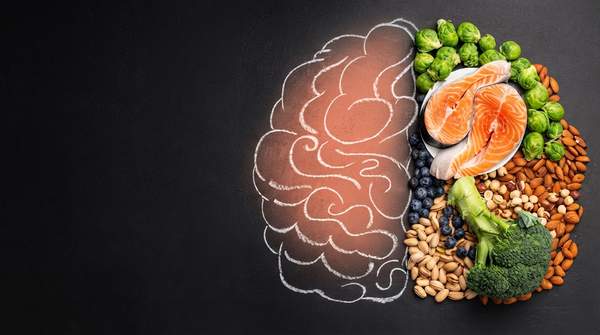
A person preparing a healthy meal with fresh fruits and vegetables, symbolizing the connection between nutrition and mental well-being.

Nutrition, often seen as a physical health concern, offers a surprising and accessible pathway to prevent a wide range of mental disorders. Mental health challenges frequently rely on complex medical interventions, yet simple, everyday dietary choices hold significant, underutilized therapeutic power. Emerging evidence suggests integrating specific nutritional strategies into daily life will become a foundational component of mental well-being, potentially reducing reliance on pharmacological solutions alone. Specific dietary components like psychobiotics and antioxidants show the 'highest therapeutic potential' for mental health, challenging the perception of food as merely fuel.

1. Daily Consumption of Fruits and Vegetables

Best for: Adults seeking general mental health improvement and depression risk reduction.

Even one daily portion of fruits and vegetables can reduce adult depression risk, states Mental Health America. This simple habit offers a direct, quantifiable benefit, making it an accessible first step for mental well-being.

Strengths: Accessible, widely available, quantifiable benefit | Limitations: Requires consistent daily effort, specific varieties not detailed | Price: Varies by season and location

2. Consumption of Psychobiotics

Best for: Individuals aiming for targeted mental status improvement and gut-brain axis support.

Psychobiotics show the highest therapeutic potential for mental status improvement, according to a PMC review. These beneficial microorganisms influence the gut-brain axis, directly impacting mood and cognitive function. Their targeted action suggests a future where specific strains could address particular mental health conditions.

Strengths: High therapeutic potential, supports gut health | Limitations: Specific strains and dosages require further research, availability varies | Price: Varies for supplements or fermented foods


3. Consumption of Antioxidants

Best for: People looking to protect brain cells from oxidative stress and enhance mental well-being.

Antioxidants also demonstrate high therapeutic potential for mental status improvement, reports the PMC review. These compounds combat oxidative stress, a key contributor to mental health issues. Prioritizing antioxidant-rich foods offers a direct strategy to safeguard brain health and resilience.

Strengths: Neuroprotective, widely available in many foods | Limitations: Bioavailability varies by source, optimal intake levels need further study | Price: Generally low for whole food sources

4. Adopting a Rational Diet

Best for: Anyone seeking a comprehensive dietary framework for overall mental and physical health.

A rational diet, combined with physical activity, holds the highest therapeutic potential for mental status improvement, states the PMC review. This broad concept emphasizes balanced nutrition and mindful eating. Its holistic nature suggests it's not just about specific foods, but a sustainable lifestyle for enduring mental well-being.

Strengths: Comprehensive, sustainable, supports multiple health aspects | Limitations: Requires consistent adherence, specific components require definition | Price: Managed through grocery choices

Beyond the Plate: Diet's Broad Impact

Aspect of Well-beingDietary ImpactKey Nutrients/FoodsBenefit Type
Cognitive FunctionSupports neurotransmitter production and brain cell health.Omega-3 fatty acids, B vitamins, Choline.Enhanced Memory & Focus
Mood RegulationInfluences serotonin and dopamine pathways.Tryptophan-rich foods, complex carbohydrates.Improved Emotional Stability
Energy LevelsProvides stable glucose supply and reduces fatigue.Whole grains, lean proteins, healthy fats.Sustained Vitality
Gut HealthFosters a balanced microbiome, impacting the gut-brain axis.Fiber, fermented foods (psychobiotics).Systemic Wellness
Inflammation ResponseReduces systemic inflammation, a factor in mental disorders.Antioxidants, anti-inflammatory fats.Reduced Risk of Chronic Conditions

The pervasive nature of diet means its effects ripple through multiple bodily systems, ultimately influencing brain function and mood. A diet rich in diverse nutrients contributes to robust physiological processes, extending beyond simple calorie intake. This broad influence confirms diet's foundational role in maintaining overall health, including mental well-being.

Understanding the Science

Research continues to uncover intricate biological mechanisms linking nutrients, brain chemistry, and gut microbiota to mental states. Scientists explore how specific vitamins, minerals, and compounds directly affect neurotransmitter synthesis and neural pathways. This inquiry precisely maps the pathways from diet to mental health outcomes. Studies also examine the gut-brain axis, a bidirectional communication system where gut microbes produce neuroactive compounds impacting mood, cognition, and behavior. Understanding these complex interactions informs targeted dietary strategies for mental well-being.

Your Brain on a Healthy Diet

A healthy diet can lower depression risk and support brain areas controlling memory and emotions, states Mental Health America. A healthy diet can lower depression risk and support brain areas controlling memory and emotions, providing a powerful incentive for improved mood and cognitive function. Such dietary choices offer a proactive strategy for maintaining cognitive vitality and emotional balance.

This evidence reveals a critical public health oversight. Ignoring dietary education as a foundational mental health strategy is akin to neglecting vaccination. Prioritizing nutritional interventions could significantly impact population-level mental well-being.

Common Questions Answered

What foods improve mental health?

Foods rich in omega-3 fatty acids, such as salmon and walnuts, support brain function. Leafy greens, berries, and dark chocolate provide antioxidants that protect brain cells. Fermented foods like yogurt and kimchi introduce beneficial psychobiotics, aiding gut-brain communication and mood regulation.

How does diet affect mood?

Diet influences mood by impacting neurotransmitter production, like serotonin, often synthesized in the gut. A balanced intake of complex carbohydrates, lean proteins, and healthy fats provides the necessary building blocks and stable energy for optimal brain chemistry. This nutritional foundation helps maintain emotional stability and reduces mood fluctuations throughout the day.

Best diets for anxiety and depression 2026?

The Mediterranean diet, characterized by whole grains, fruits, vegetables, lean proteins, and healthy fats, is often cited for its mental health benefits. This dietary pattern, rich in anti-inflammatory foods and antioxidants, supports overall brain health and may reduce symptoms of anxiety and depression. A rational diet, emphasizing unprocessed foods and mindful eating, aligns with these principles for sustained mental well-being.

By 2026, public health initiatives must integrate targeted nutritional guidance, particularly focusing on psychobiotics and antioxidants, into primary care to address mental health challenges effectively. This proactive approach by healthcare providers offers a more accessible pathway than reliance solely on complex pharmaceutical interventions.